The Evolution of Holly Springs: Former Council Member Hank Dickson Reflects
Contributed by Hank Dickson
I won my first seat on the Holly Springs Board of Commissioners in November 1997, after a brief decision-making window sparked by conversations with former Commissioner Bob Kapel.
I first contacted Kapel to discuss a local issue and found common ground—we had both relocated from the New York metropolitan area. As the filing period approached, he urged me to consider a run. After a few days of reflection, I went to town hall in early July 1997, paid the $5 filing fee to Town Clerk Joni Smith, and launched the campaign.
The field that year was crowded: incumbents George Kimble, Edison Perkins, and Parrish Womble faced former Commissioner Otis Byrd and two newcomers, Karen Trimberger and me, along with Tim Sack. When the votes were counted, Sack led with 563. I finished second with 500, and Womble placed third with 361. At the time, Holly Springs had a single polling place—the fire station on Avent Ferry Road. After the results were tabulated, then Police Chief Cecil Parker read the results aloud in the parking lot. As the outcome sank in, a supporter of the incumbents called out, “Here they come!”
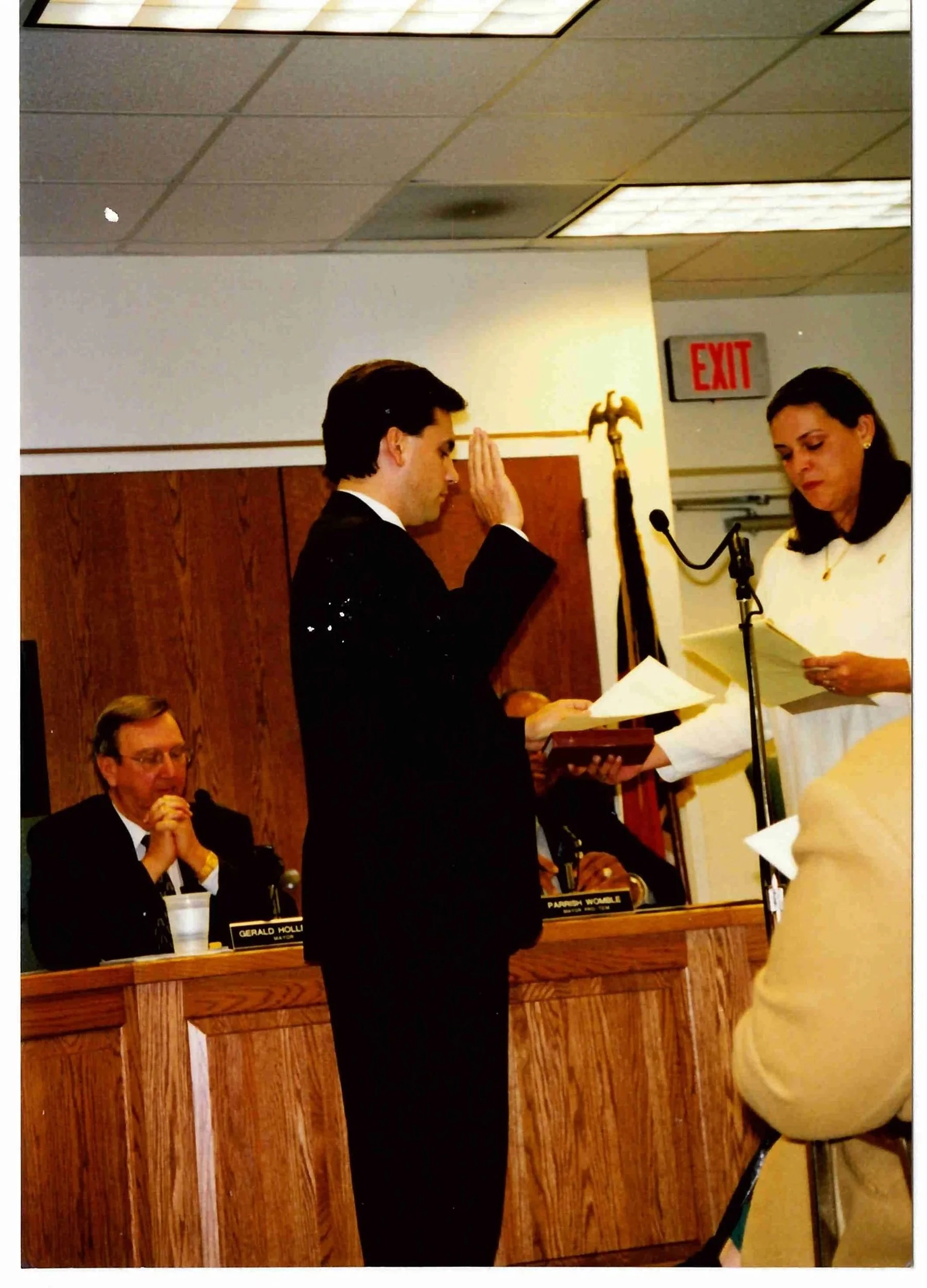
The oaths of office followed the next month at town hall—then a far cry from the building residents know today. The complex combined an old furniture store with an attached metal commercial structure. A small vestibule served as the main entrance for the public and most members; a second door behind the dais was the route for anyone arriving late—and one member used it routinely. The chambers were serviceable, though heavy rain on the metal roof could turn meetings into a drumbeat.
As in any small town, meetings drew a mix of deeply engaged residents and persistent critics. Mayor Gerald Holleman knew many of them personally and often defused disputes by urging people to bring concerns to his office during the week.
The Town Hall’s small size also meant access. I got to know most staff members well, and when questions came up, help was usually a phone call. Those relationships lasted for years. Departments operated with a thrift that matched household budgets, accomplishing a great deal with limited resources. The Town still owes a debt of gratitude to these early department heads. As the Town became more tech driven, one of the things I missed was the home delivery of the meeting agenda and notes. The police department was used to deliver the agenda and I got to know many of the men and women on the force this way!
In the late 1990s, Town business moved by paper, phone calls, and face-to-face meetings—nothing like today’s pace and tools. Holly Springs also carried a weak reputation in Wake County, seen as neither particularly safe nor especially desirable. Leaders understood that to attract the conveniences enjoyed elsewhere in the region, the Town needed to grow—making itself appealing to developers without, as we put it, “giving away the store.”
One priority I pushed early was for Holly Springs to tell its own story rather than rely on word of mouth or occasional coverage from local media outlets. At the first council retreat, I proposed funding a public information officer to provide consistent updates and shape the town’s message. The idea drew little support at the time, but I continued to raise it. Years later, with changes in the council and staff, the position became a reality. Seeing Holly Springs recognized as an award-winning leader in public information and communication has been a point of pride.
One early controversy centered on a shift in the Town’s structure—from a Mayor-Council model to a Council-Manager form of government. For years, Mayor Holleman served both as elected mayor and as the paid town administrator handling day-to-day operations, an arrangement that was unusual in Wake County. When the Town formally changed course, the council began searching for its first town manager. Around the same time, the governing body’s name changed from the Board of Commissioners to the Town Council.
Several qualified candidates applied and interviewed. In the end, the council hired one of its own commissioners as the first town manager—an accomplished retired military officer with military management experience. I voted against the decision, believing the town needed municipal experience in the role from the start. The arrangement lasted about three months before the manager resigned due to health issues.
The second search drew a less impressive pool. To keep operations moving, the town hired an interim manager with experience in both municipal and county government. He was later brought on full time, but the arrangement lasted only about two years.
After that, the council appointed Inspections Director Ricky Blackmon as interim manager. Blackmon, a longtime council member in his hometown of Erwin, North Carolina, restored stability at town hall and helped shepherd the process that ultimately brought in Carl Dean—the manager many credit with moving Holly Springs into broader regional respectability.
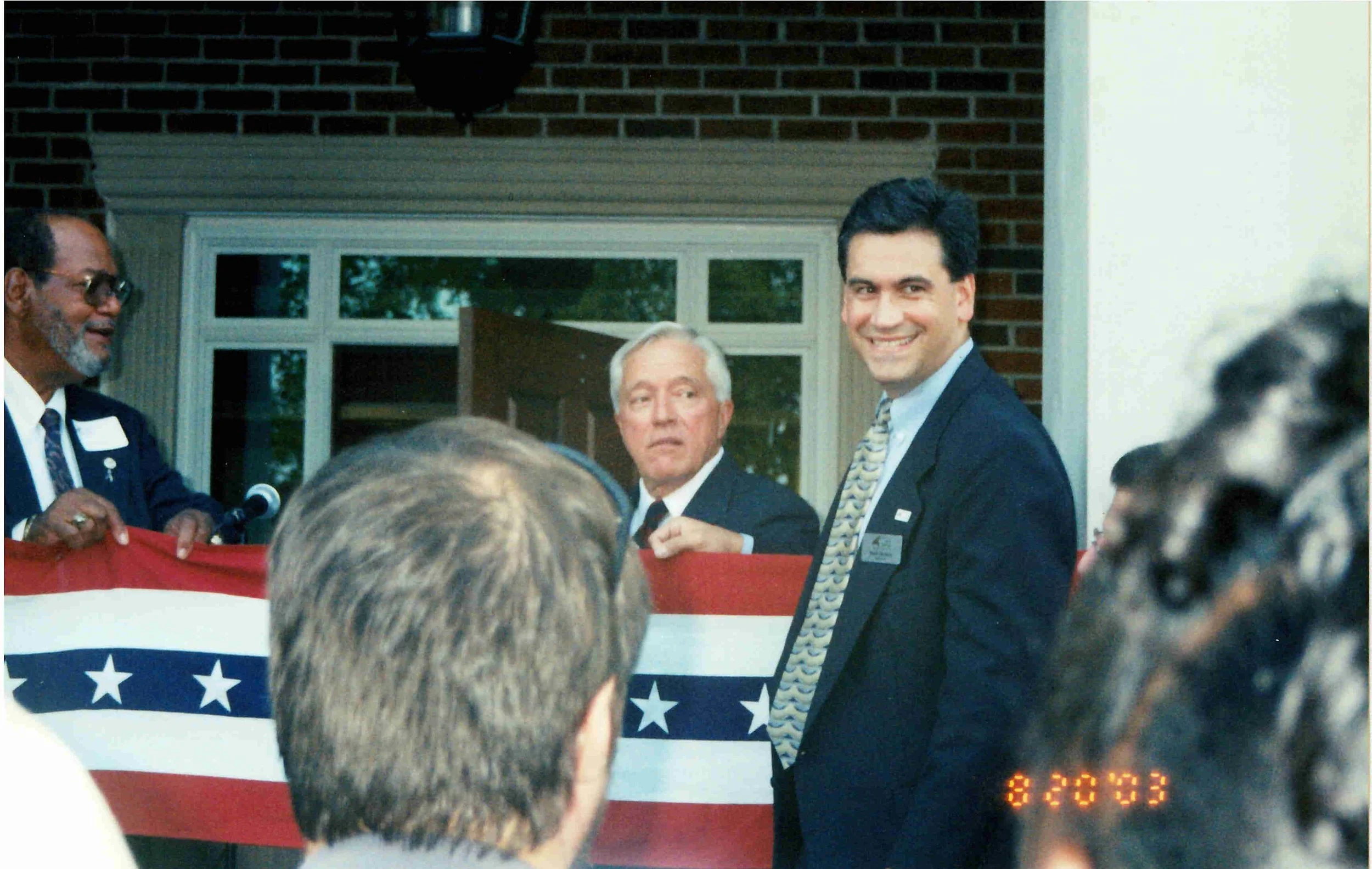
Town Hall Ribbon Cutting
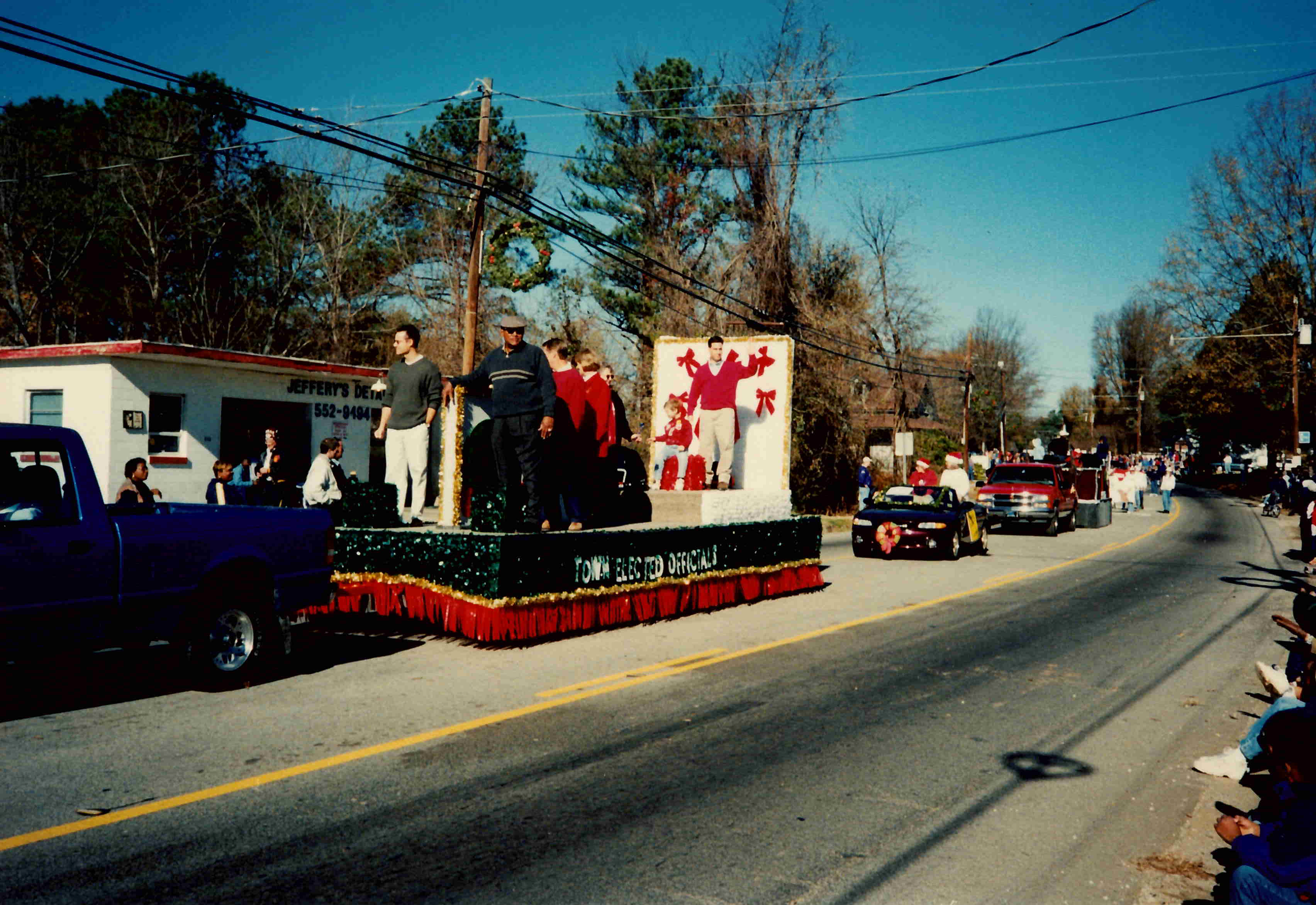
Holly Days Parade
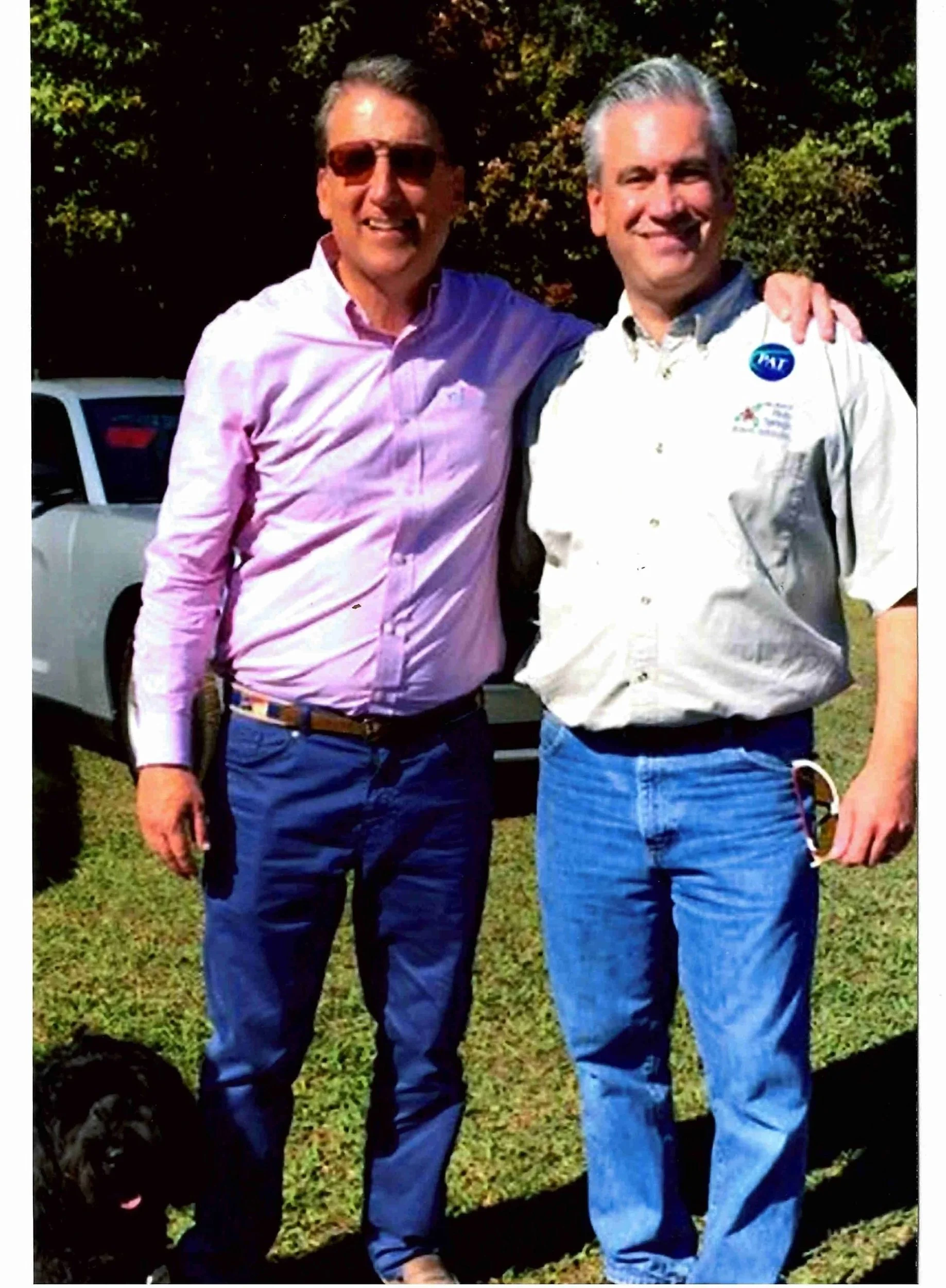
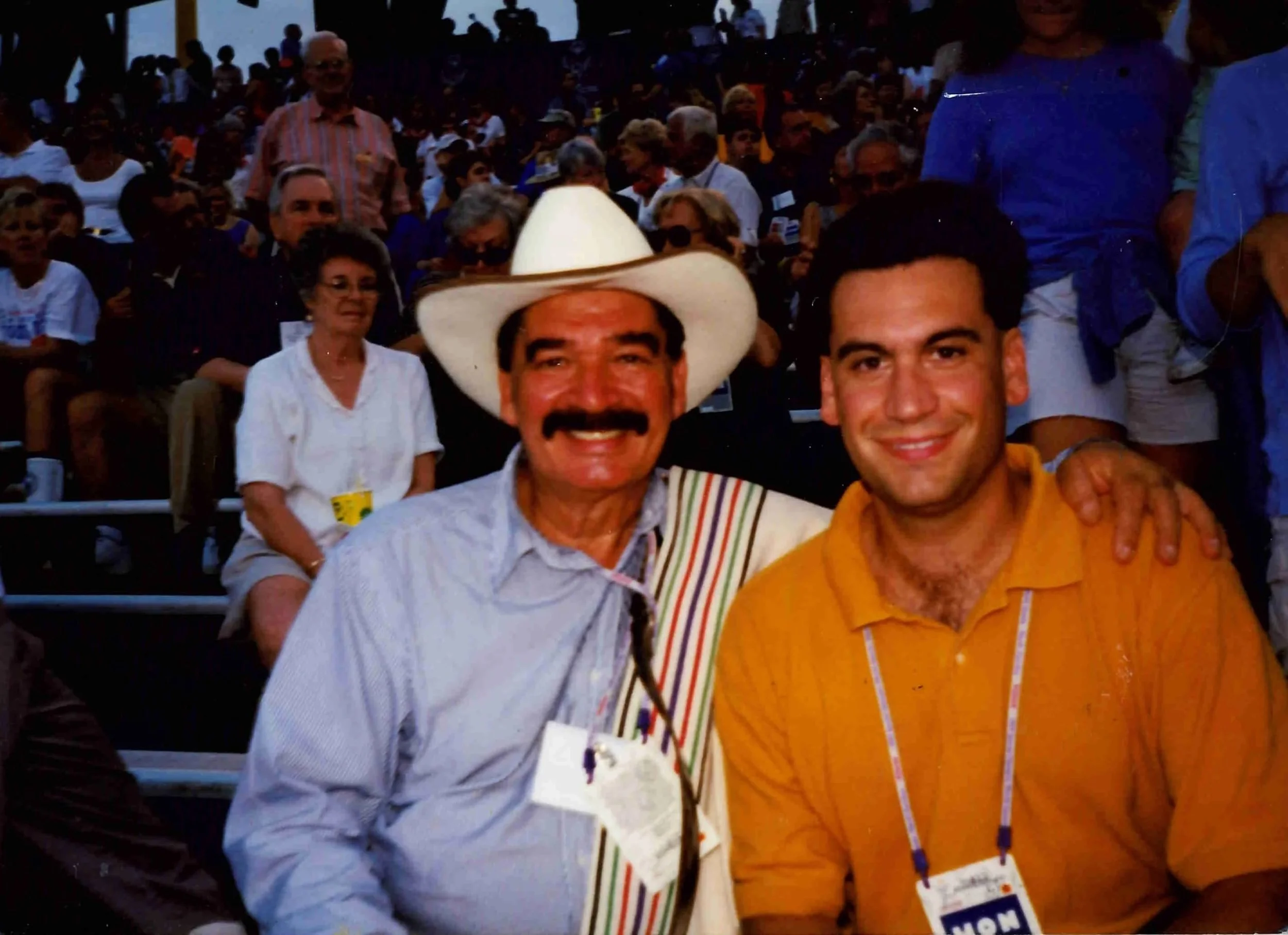
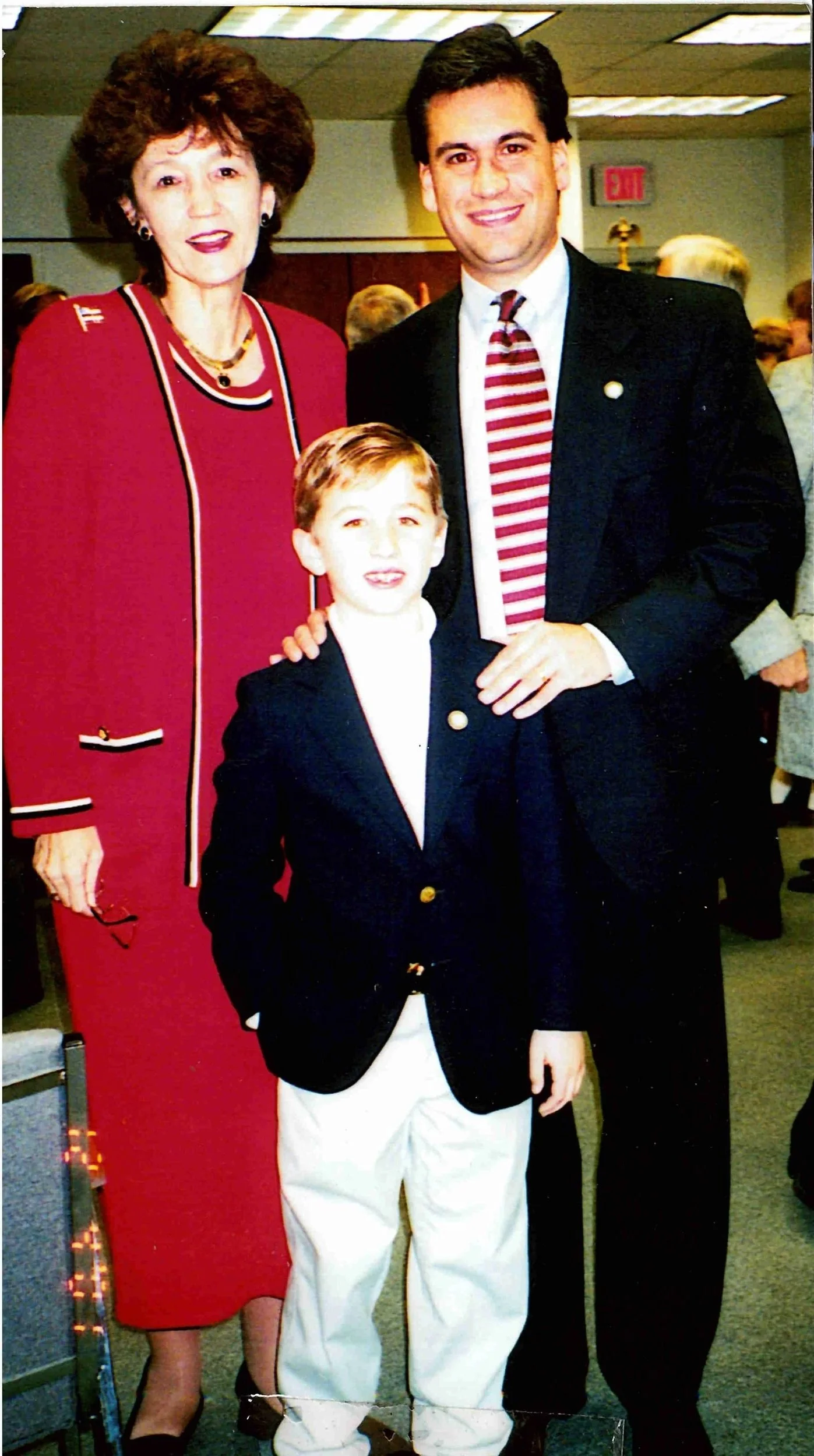
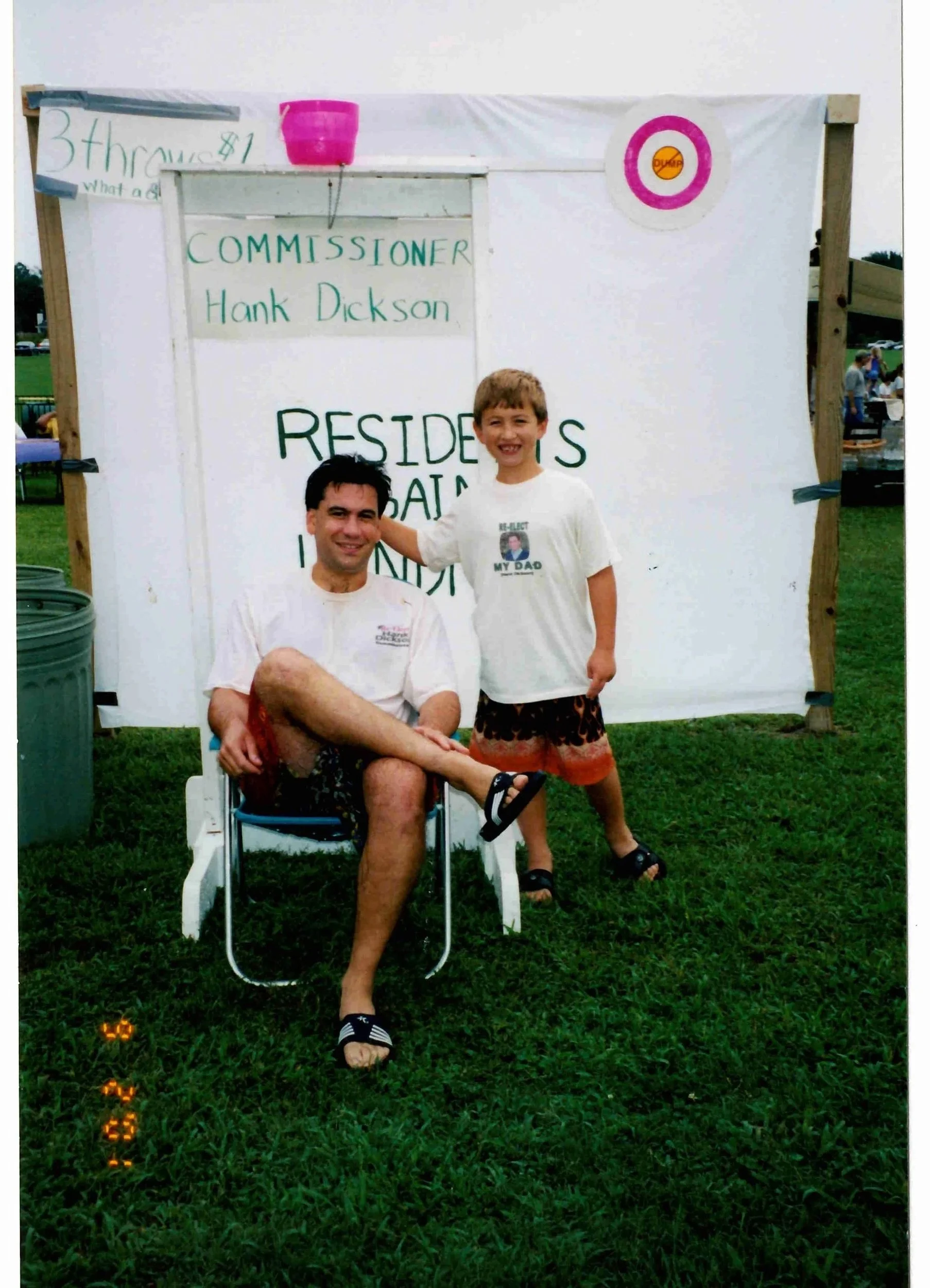
Photographs contributed by Hank Dickson include images from his service as a Holly Springs Council Member.