



Some of the Moments that Defined Holly Springs
From 1876 to the present, explore the timeline of events below and discover the pivotal moments that made Holly Springs the unique, thriving place it is today.


1876
The Founding of Holly Springs & the Beginning of Our Legacy
In 1876, local leader and entrepreneur Col. George Benton Alford submits papers of incorporation to the North Carolina General Assembly. This date is shown on the Town seal. Holly Springs officially becomes a Town when the General Assembly ratifies incorporation papers on Jan. 26, 1877. A post office is established in May.
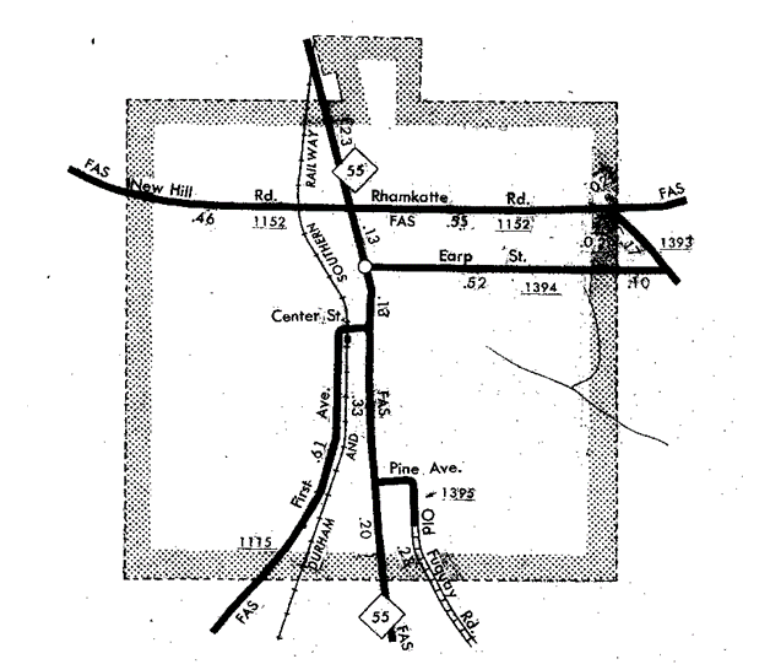
Original One-Square-Mile Map of Holly Springs
1898 - 1901
Rail Comes to Holly Springs
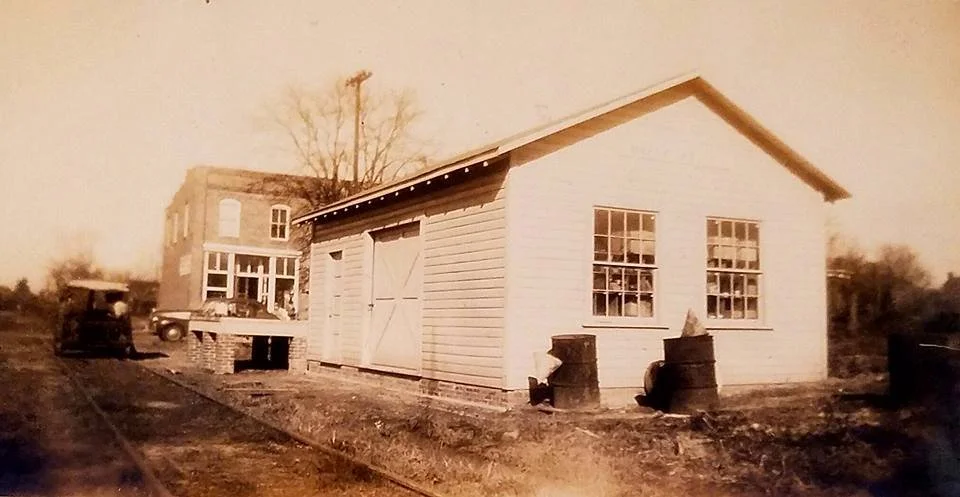
A groundbreaking is held in Holly Springs for the Cape Fear & Northern railroad on July 27, 1898. The first shovelful of dirt is thrown by Miss Mattie V. Alford. In 1901, the Town celebrates the excursion train that travels through Holly Springs from Apex to Angier, with “speeches by several prominent men, a big game of base ball, and town lots to be sold at auction.” The Town population is 219, according to the 1900 Census.
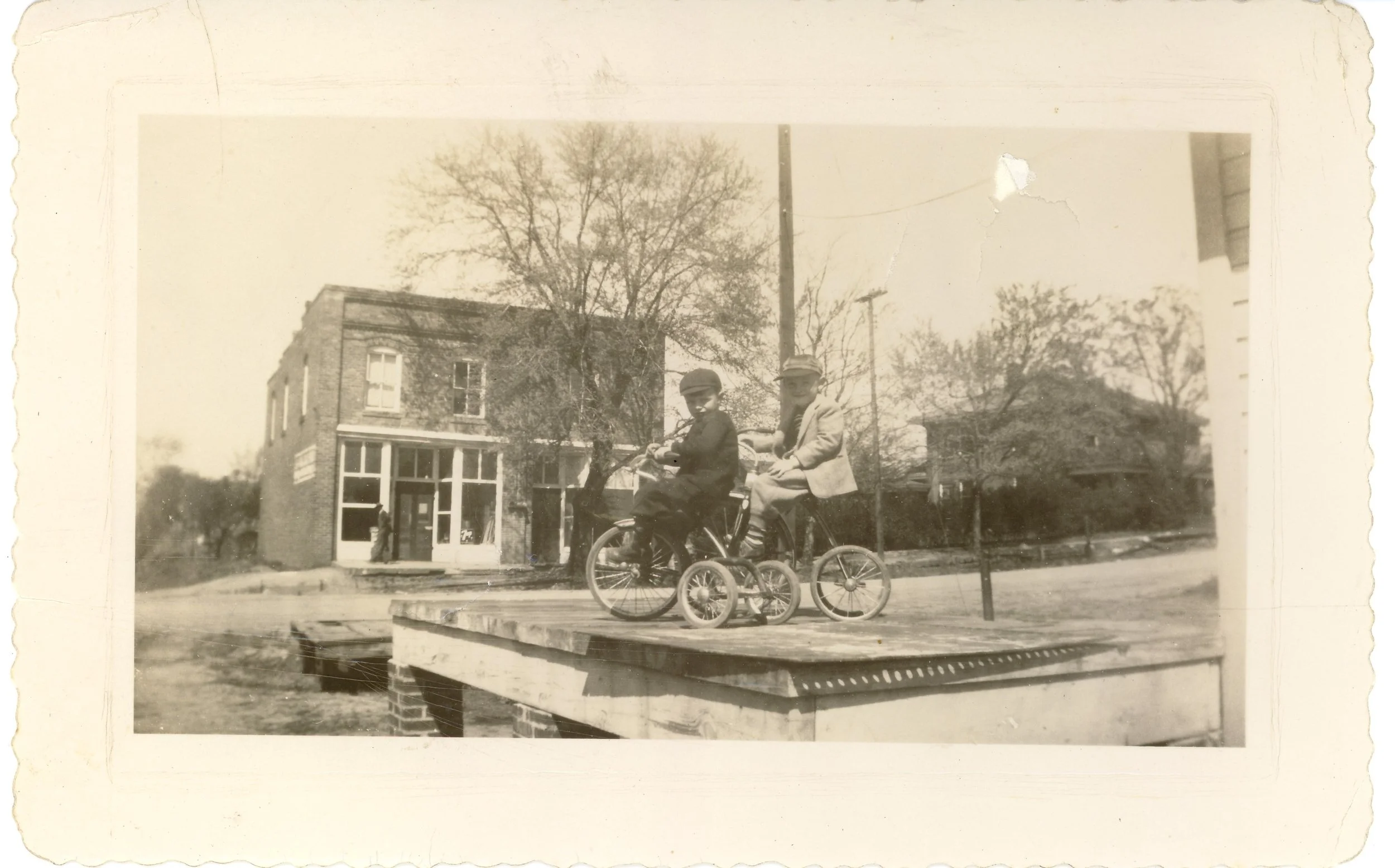
Bill Brooks (left) and John Holleman on the Train Depot Platform
Holly Springs Railroad Depot
In 1923, the Rosenwald School in Holly Springs, referred to as the Plank School, is built. This school for Black children is located on the site of what today is the Hunt Center. The original school building was a wood structure with an auditorium flanked by 4 classrooms. It lacked indoor plumbing. A pump in front of the school provided drinking water. Bathrooms were behind the school. In winter, coal burning stoves supplied the heat. The coal was stored underneath the building. A brick classroom building replaced the wood structure in the early 1950s. Integration brought about the closing of Holly Springs Elementary in the late 1950s, but the community continued to use it as a center of activity.
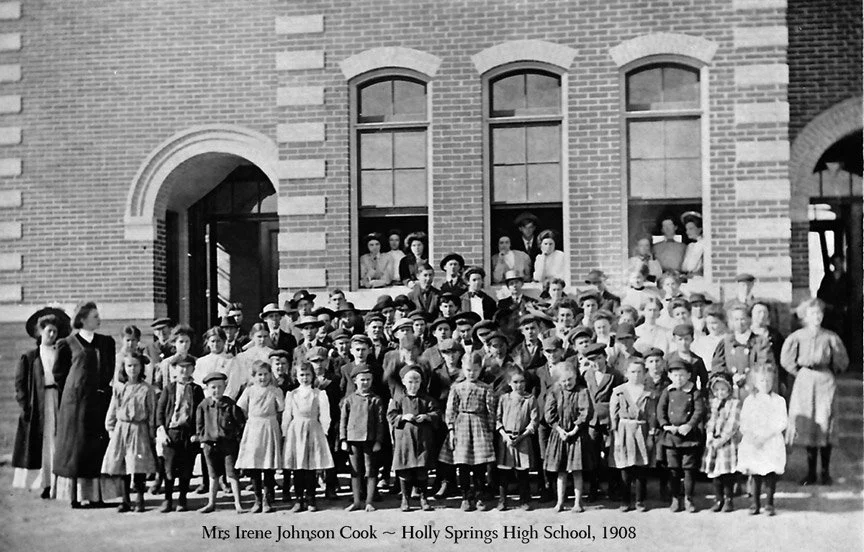
Holly Springs High School, 1908
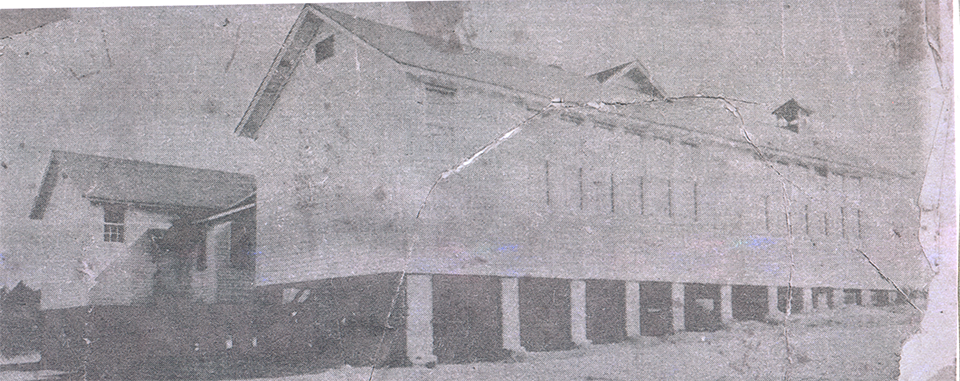
The Plank School, 1923
1908
Community Supports Schools
In 1908, Holly Springs School opens. The school is built after pledges by residents and much work by the Women’s Betterment Association. The association pledges $500 and clears 90 wagonloads of rubbish, a house, and a barn from the property. The group also plants a cotton crop, and the proceeds are pledged to the school. The school served white boys and girls, grades 1 – 11 (the highest grade at the time).
Holly Springs was devoted to schools since the 1850s, when the first recorded schools were formed. This included a school for girls that met on the first floor of the Masonic Lodge.
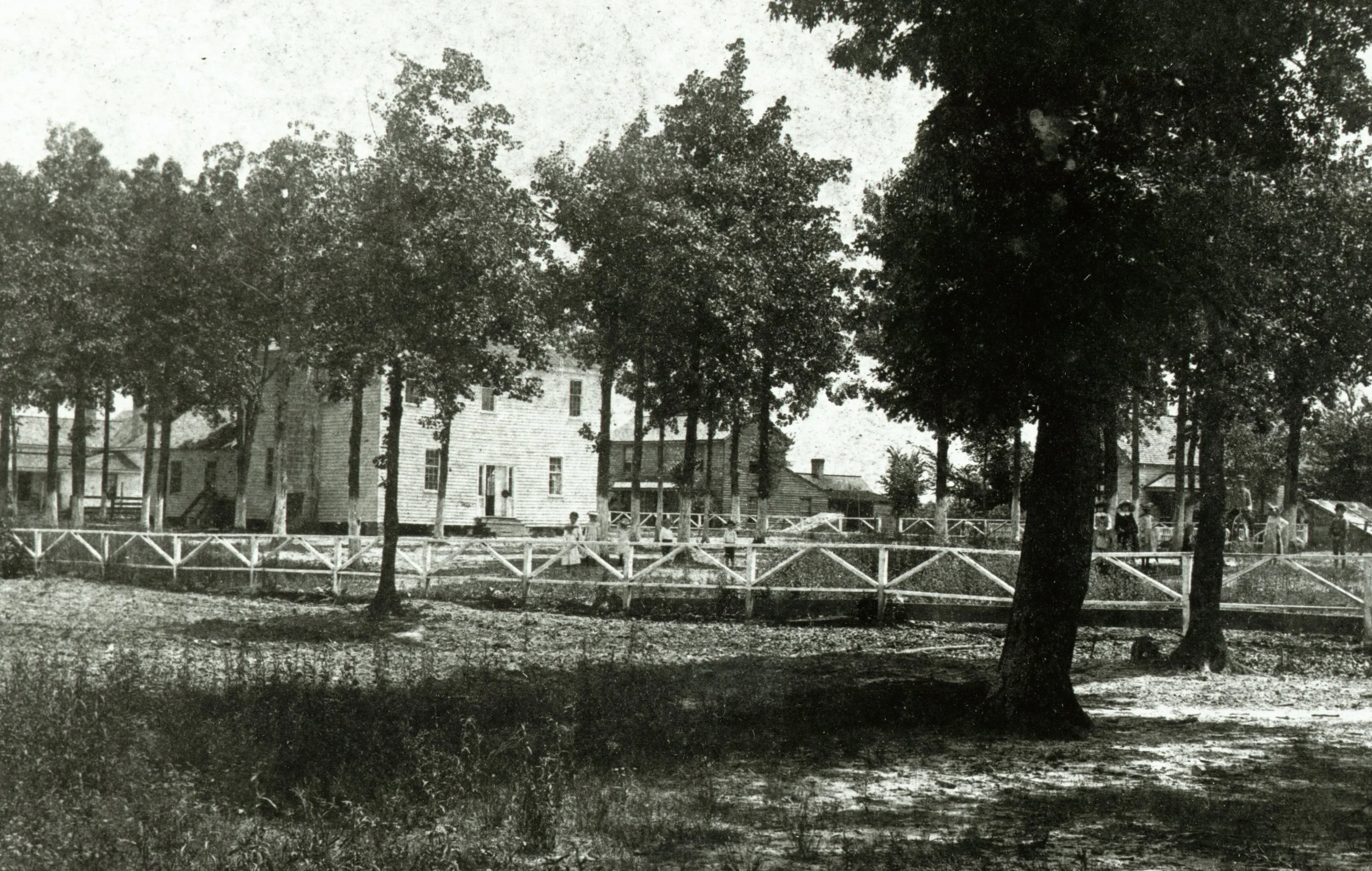
Holly Springs Institute for Girls at the Masonic Lodge, 1850
1930 - 1960
Holly Springs Joins the League of Municipalities
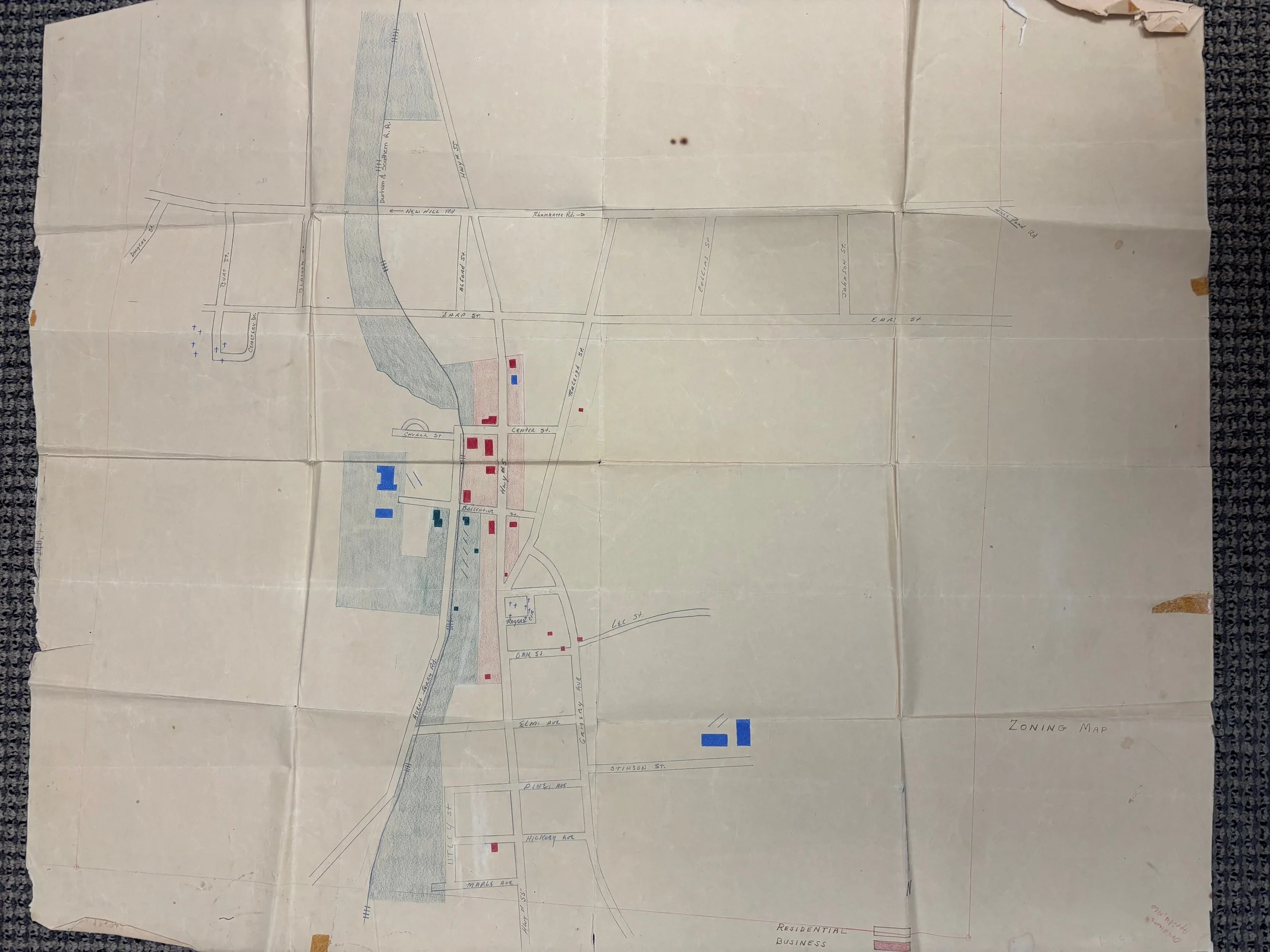
1960 Zoning Map
Town of Holly Springs milestones included joining the League of Municipalities in December 1939 and modernizing its charter in 1951, which included setting the size of the Board of Commissioners at five members plus a Mayor. (Previously, the governing body had varied between three and five members total.) During WWII, 62 young men from Holly Springs served in the military. Cecil Patterson was the Town’s one “gold star;” he died in a plane crash during training. In 1955, Holly Springs became a founding member of the Wake County Mayor’s Association, and the Town’s first zoning ordinances were adopted in April 1960.
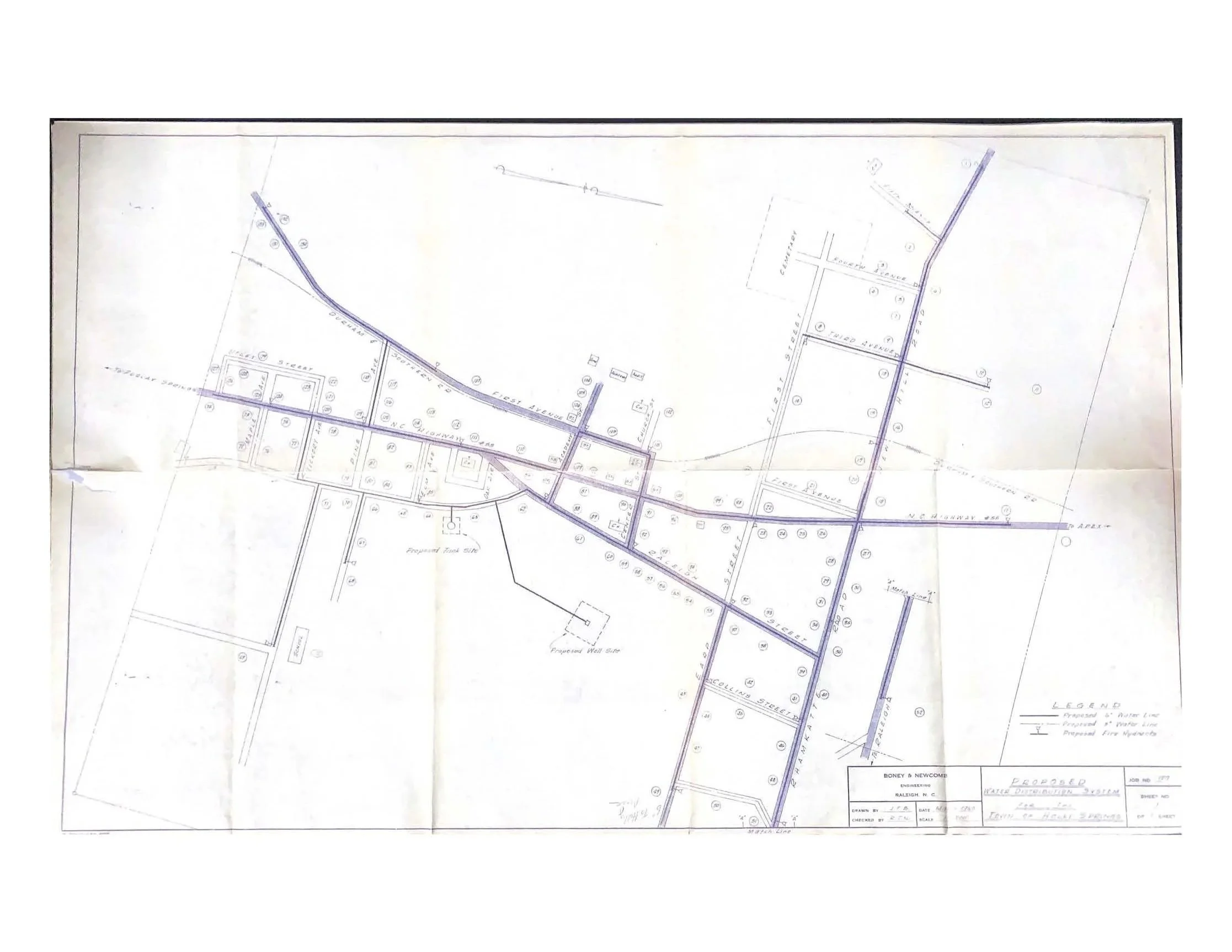
Proposed Water Map, 1960
The Town holds a bond referendum for a water project on February 25, 1967. From the 211 residents qualified to vote, 121 ballots were cast (107 for, 14 against) for $145,000 for the purpose of “constructing a waterworks system for said Town, including supply, storage, treatment and distribution facilities, and the acquisition of necessary land and rights of way.”
Establishing a water service instead of relying on private wells is a critical step that significantly improves the community's public health, facilitates development and growth, and enhances the overall quality of life in Holly Springs.
1967
Water Service Established
1970s
Black Civic Leaders
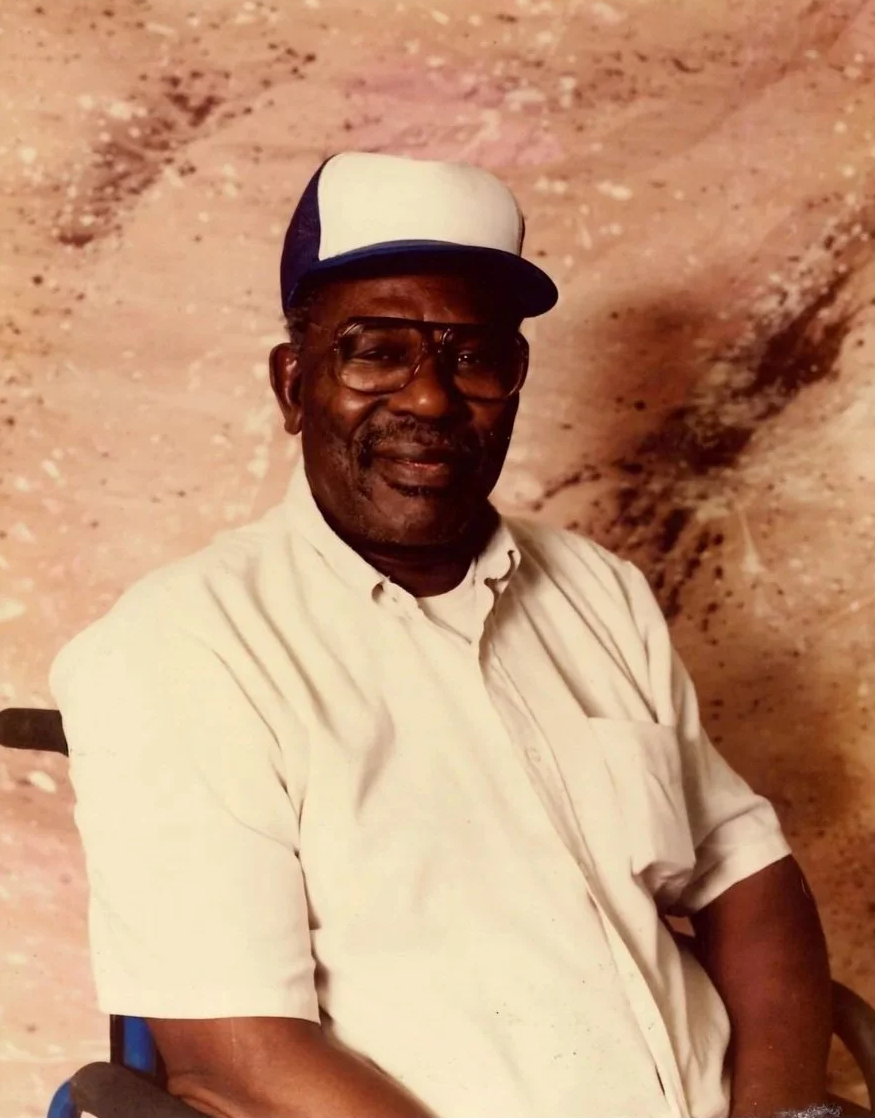
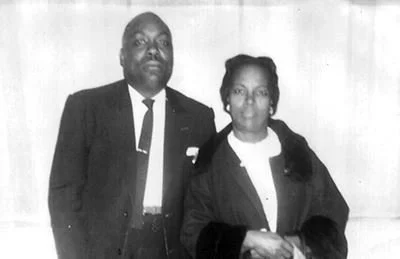
William Bernice Lassiter and James Norris are elected as the Town’s first Black commissioners. Nancy Womble is the first black female to be elected to the Board of Commissioners from 1975 to 1977. Norris later becomes the first Black mayor of Holly Springs when he resigns as commissioner in 1980 to fill the vacated mayoral seat. Norris worked to heal divisions in the Town and, in a memorandum to the community, wrote “REMEMBER: AS A FAMILY; WE WORK TOGETHER TO MAKE THINGS WORK.”
William Bernice & Cora Mae (Norris) Lassiter
Mayor James Norris
1980s
Women in Leading Positions
Holly Springs hires Dessie Mae Womble as police chief. She is the first Black female police chief in the State of North Carolina. She was at the top of her class in Law Enforcement training and beat out at least seven men for the job.
Sylvian K. Brooks becomes the first (and so far only) female mayor of Holly Springs. Her Mayor Pro Tem is Bonnie Morton. Brooks had served as Town Clerk from 1945-1947.
Previous women in leadership included Elizabeth White, the first woman elected to the governing body in 1943. Delcie Collins-Mims and Laura Seagraves were elected in 1945. No more women would be elected until Nancy Womble and Agnes Crabtree in 1975. After that, women began to be elected to serve on the governing body more frequently.
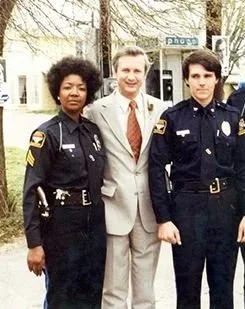
Dessie Mae Womble (far left)
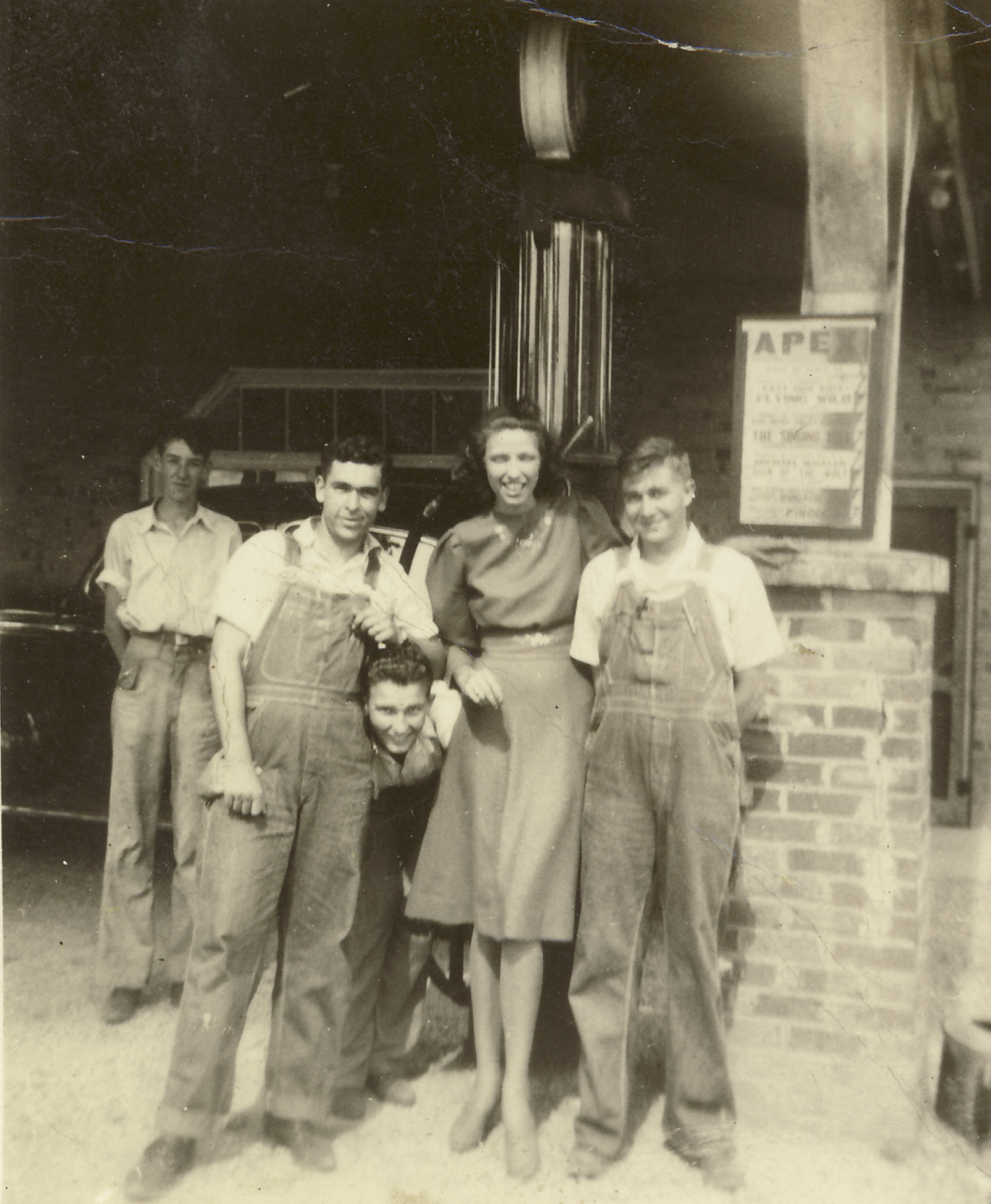
Sylvian Brooks
1987-1990
Utilities Improvements
The Town builds its first wastewater treatment plant. Previously, residents and businesses used on-site wastewater treatment systems, such as septic tanks, that required a large enough plot of land for the drain fields to function effectively. This transition to a municipal system was the key that unlocked Holly Springs’ significant growth in the late 1980s and 1990s. That included the Town’s recruitment of Food Lion in 1994 - the first modern grocery store in Holly Springs. In 1990, the Town’s population is 908.
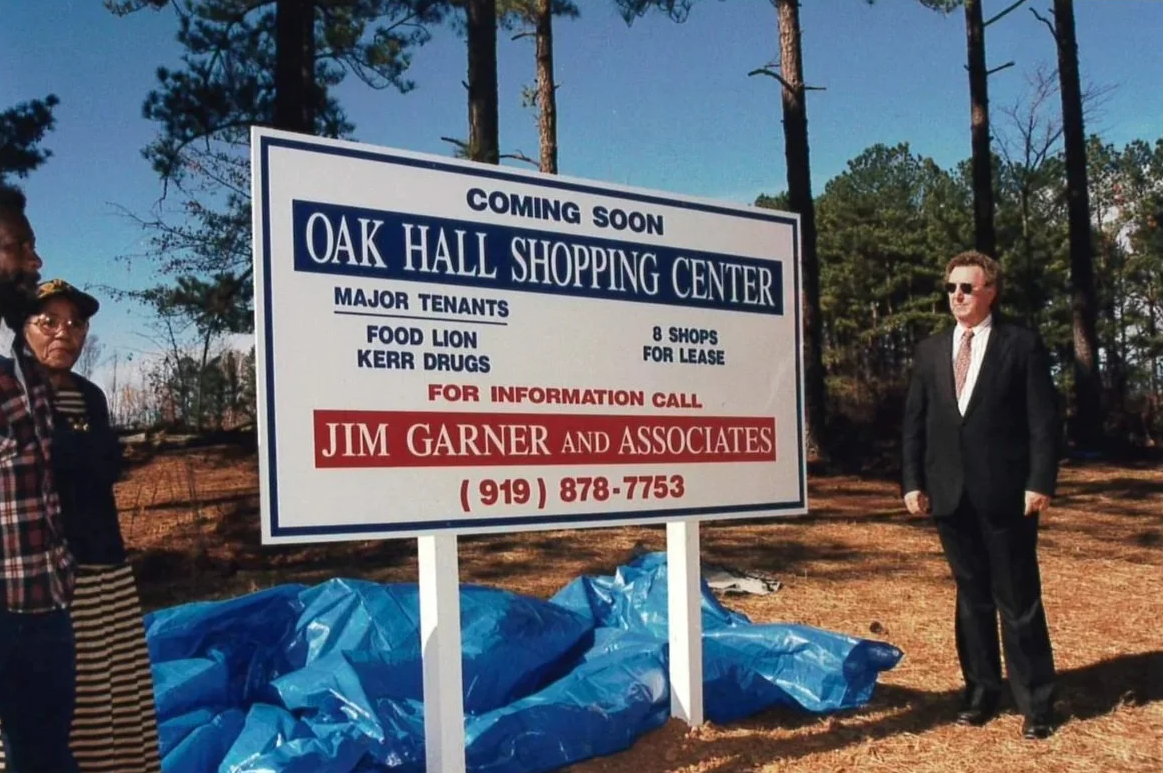
Groundbreaking for Food Lion
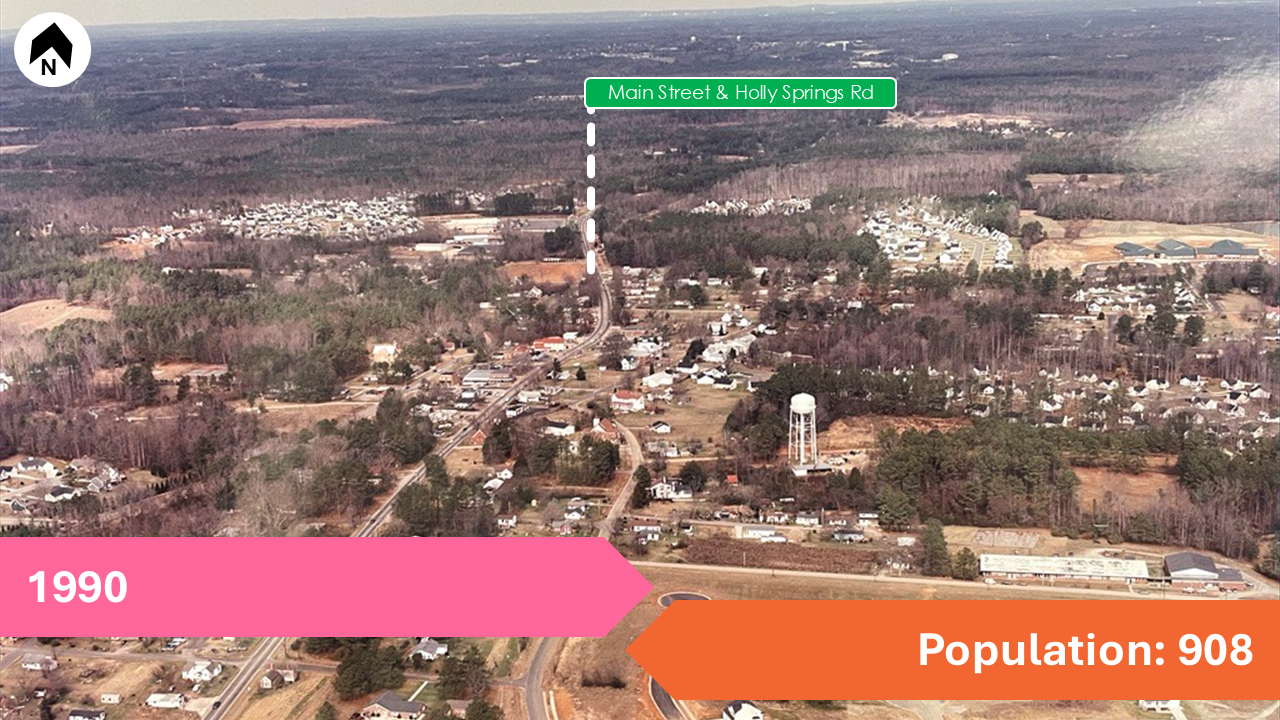
The Town’s Population in 1990
1995
Fire Service Added
The Town Public Safety Department is formed, adding a Town-run fire service to its existing law enforcement officers. The rural volunteer fire department merged into the Town’s Public Safety Department in 1997. The Town also operated an ambulance service for a number of years. The Public Safety Department would later divide into separate Police and Fire departments, and ambulance service would shift to the County.
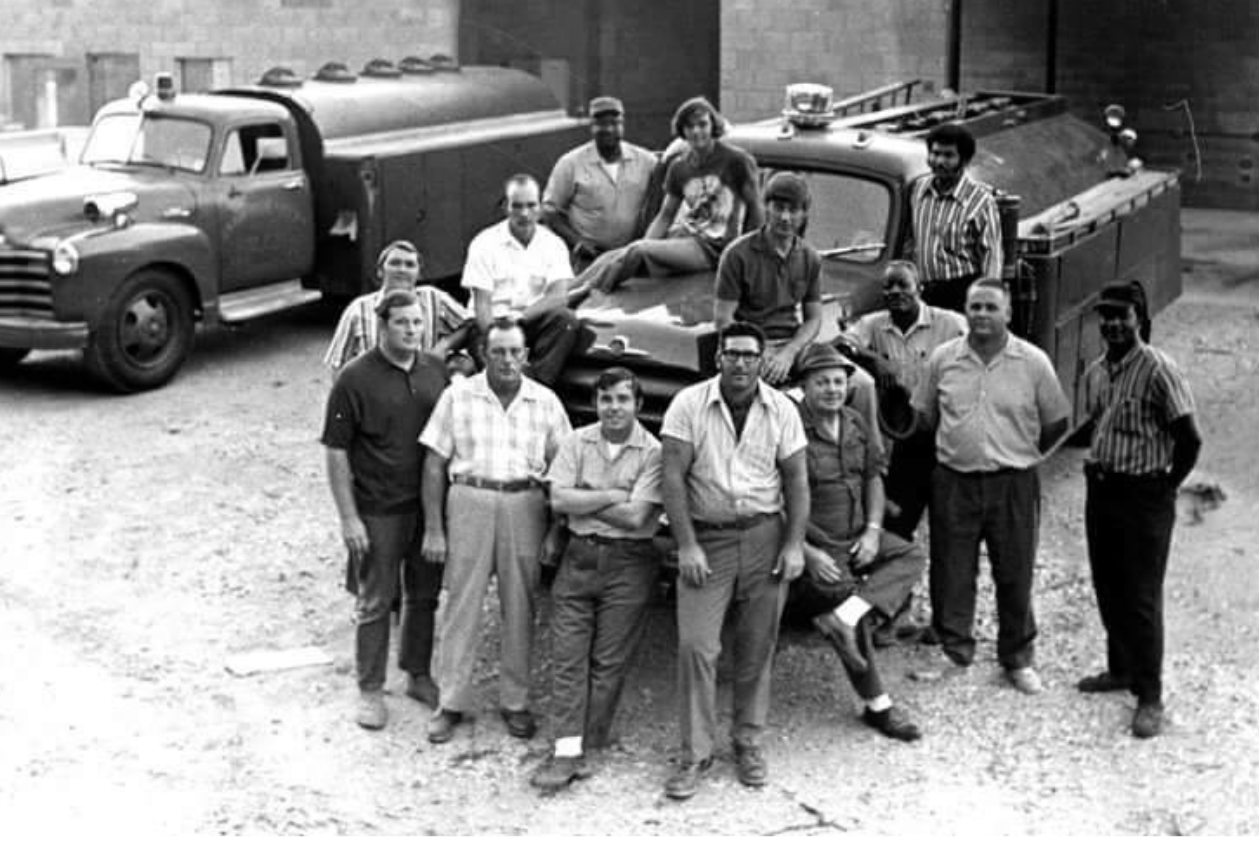
Volunteer firefighters in Holly Springs
1996 - 2000
Parks, Recreation, and
Public Schools
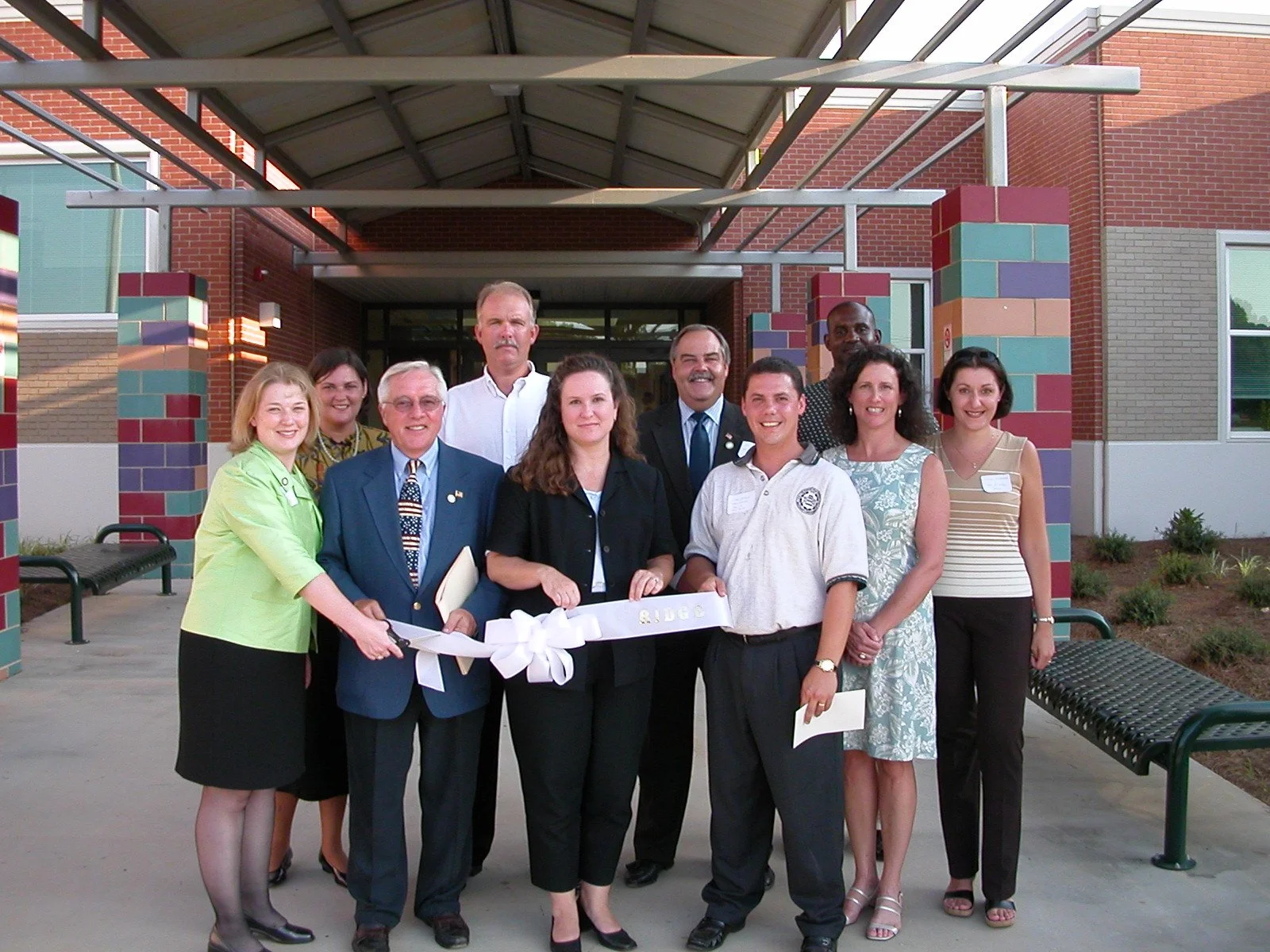
Holly Ridge Elementary Ribbon Cutting, 2002
After the Town issues a $2 million general obligation bond to fund Parks & Recreation facilities in 1996, a Parks & Recreation Department is established when the Town hires a director.
Holly Springs Elementary School opens in 1996, the first of the public schools currently open in Town today.
In 1997, the Town acquires the land for W.E. Jones Park and Parrish Womble Park. Town purchases the Holly Springs Optional School building, which later becomes the W.E. Hunt Recreation Center. Two years later, the Town purchases the property for Bass Lake Park, which will open to the public in 2004.
The Town’s population is 9,192 in 2000.
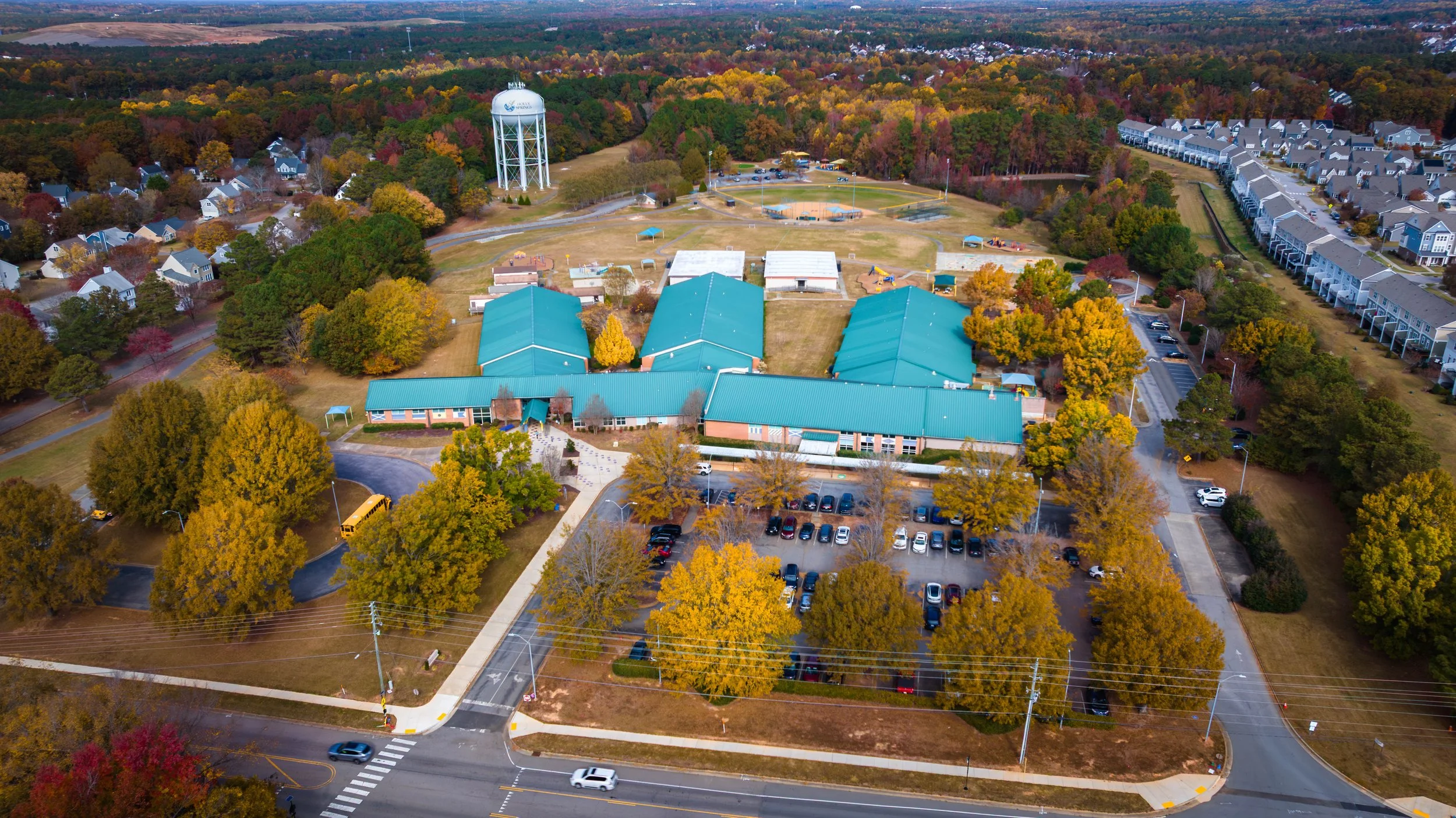
Holly Springs Elementary
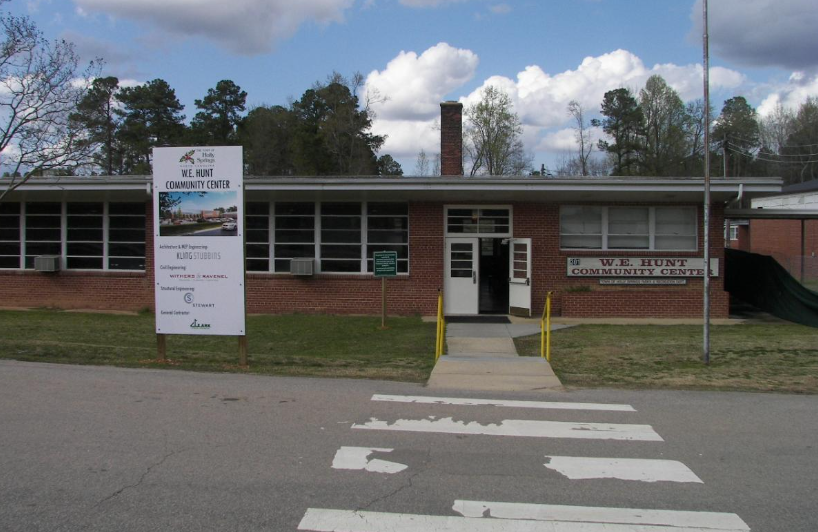
W.E. Hunt Recreation Center before Renovations
2002 - 2003
NC 55 Bypass, Current Town Hall Open
The NC 55 Bypass is dedicated in 2002. Until then, Main Street—which was NC Highway 55—had funneled all regional traffic directly through the heart of downtown Holly Springs. The Town has 136 employees and, in 2003, the current Town Hall building opens.
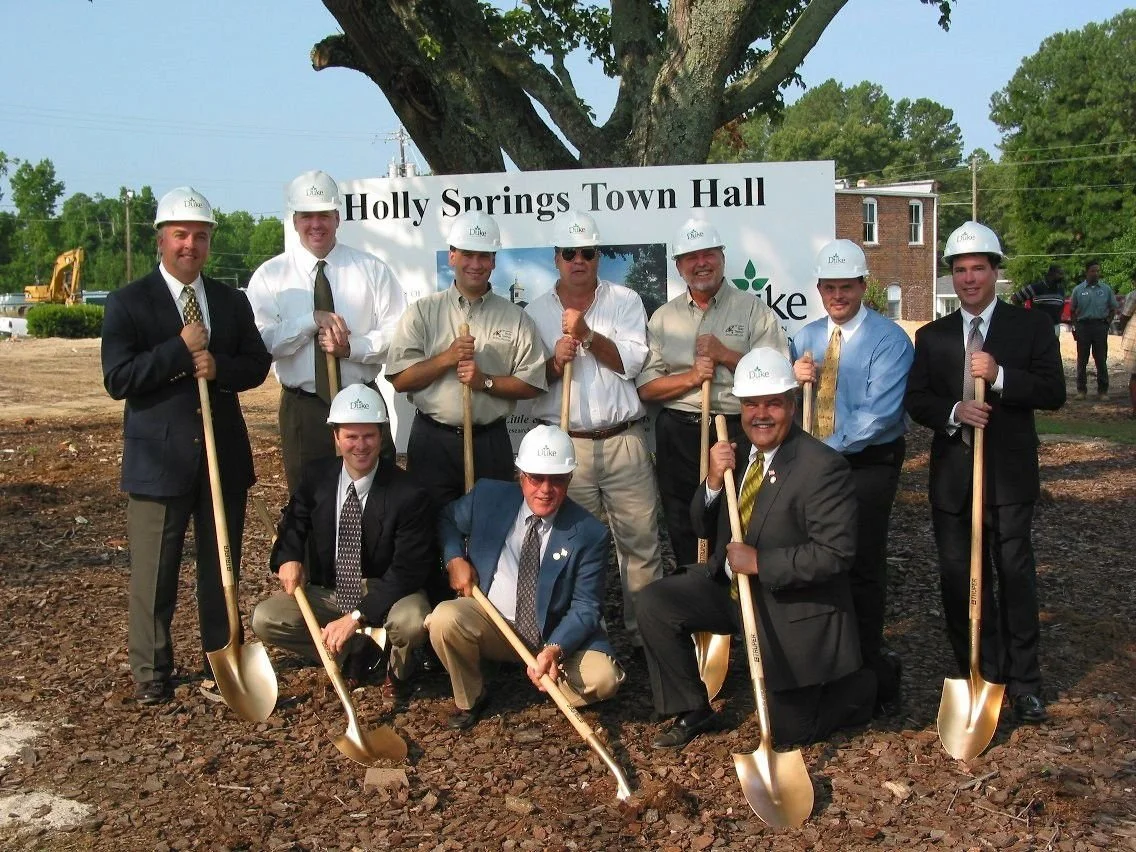
Town Hall Groundbreaking
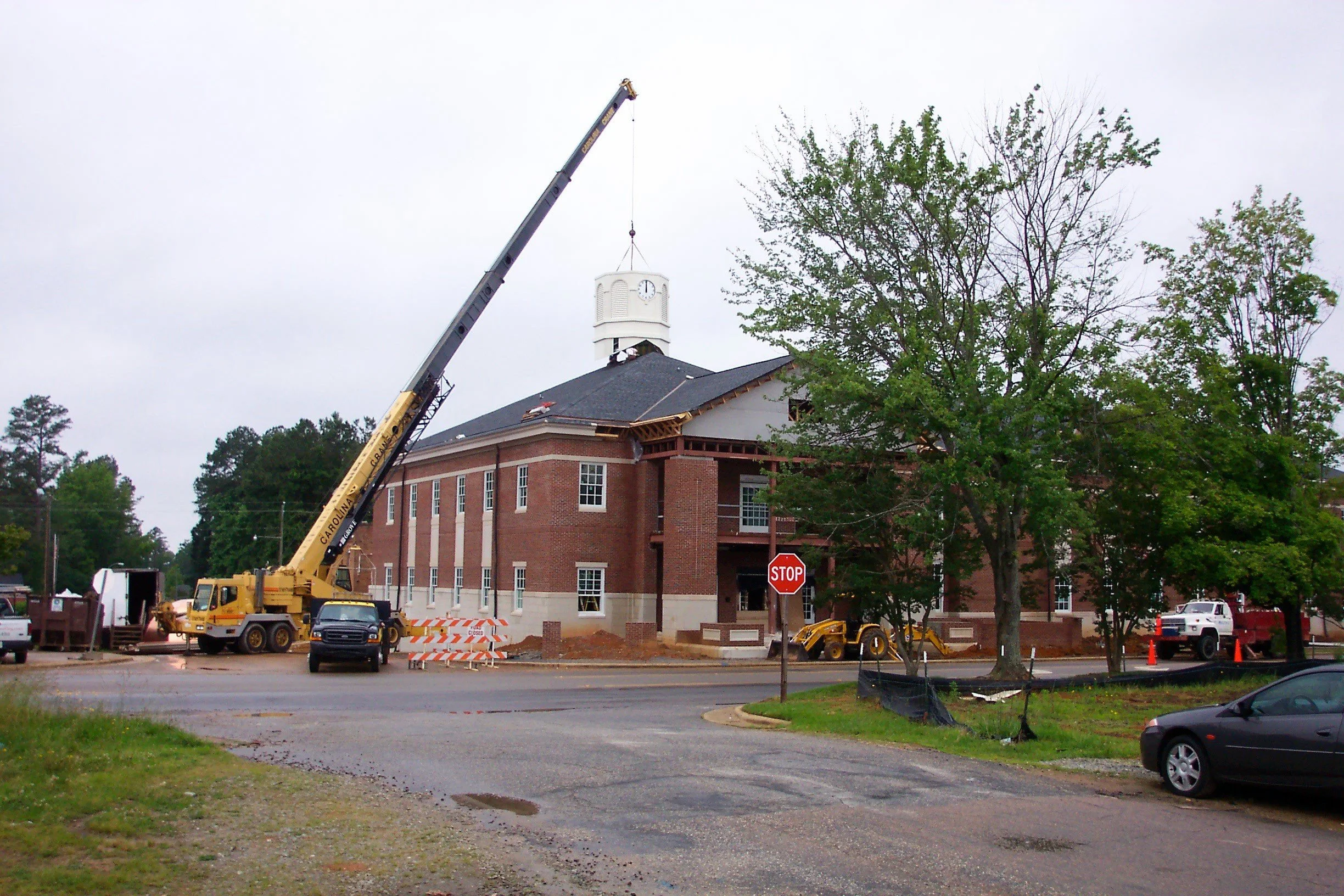
Town Hall Construction
2006 - 2011
Arts, Culture, and a Plan
The Holly Springs Cultural Center and Holly Springs Branch Library open in 2006.
The Town adopts its first Comprehensive Plan, Vision Holly Springs, in 2007. Arguably the single most important policy document for guiding a community’s future, the plan establishes an official policy framework for all future decisions related to land use, growth, and development.
The Town purchases the Veterans Park property in 2007, and the park opens to the public in 2009. In 2010, The Town’s population is 24,661. The newly remodeled Hunt Recreation Center opens in 2011.
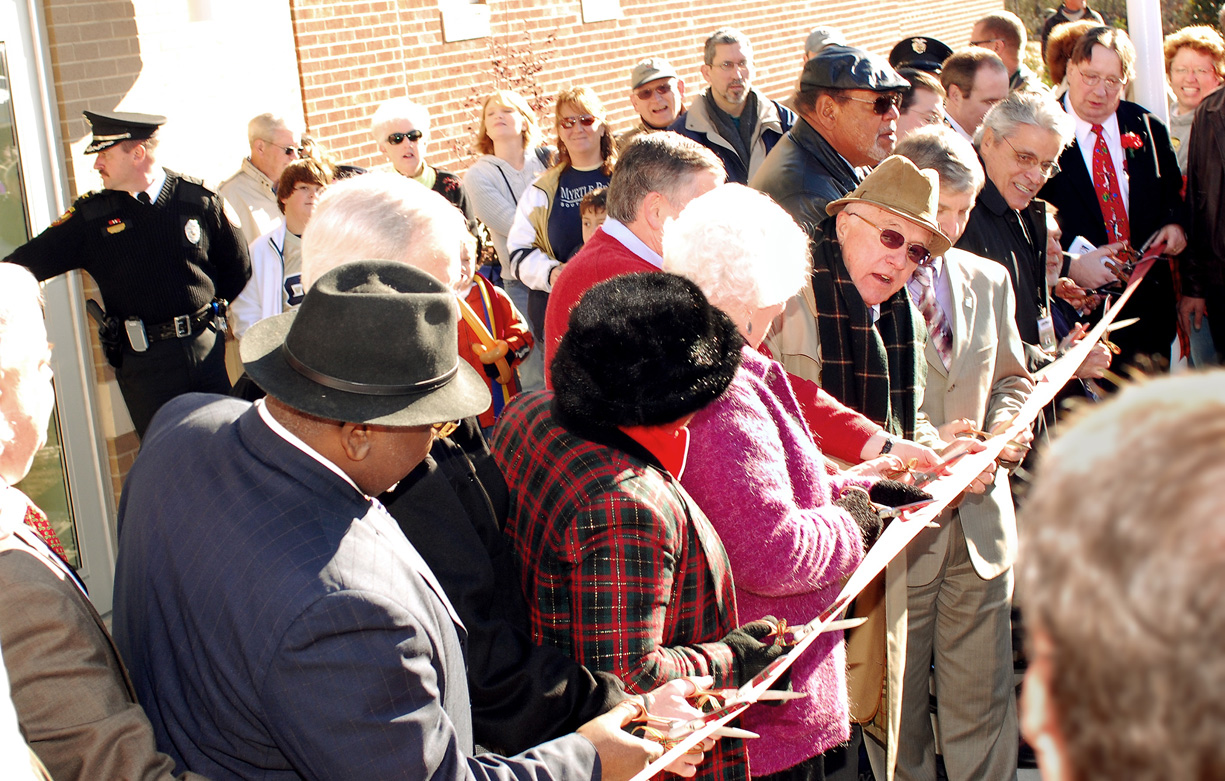
Cultural Center Ribbon Cutting
2012
A Regional Connection and Parkland Purchase
The first segment of NC 540 (the Triangle Expressway) in southern Wake County opens. This initial segment connects Holly Springs to US 64 and beyond. Holly Springs purchases the land that will become Jefferson L. Sugg Farm at Bass Lake Park.

Sugg Farm
2015
Establishing an Identity
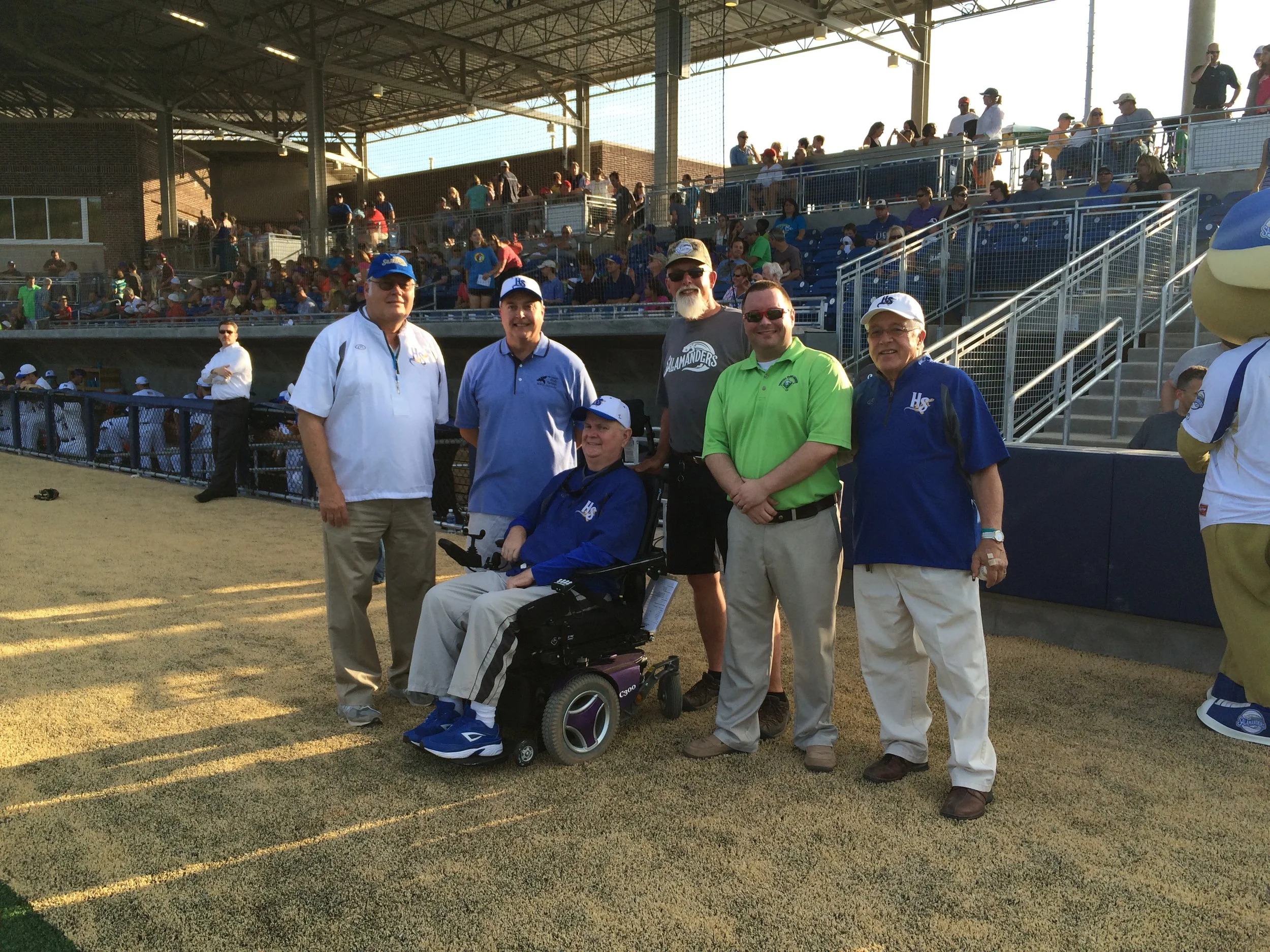
North Main Athletic Complex Opening Night
The Holly Springs Town Council adopts the current Town logo that features the blue springs and green holly. North Main Athletic Complex, known later as Ting Park, opens. The park will become a regional sports hub, attracting more than 750,000 visitors annually.
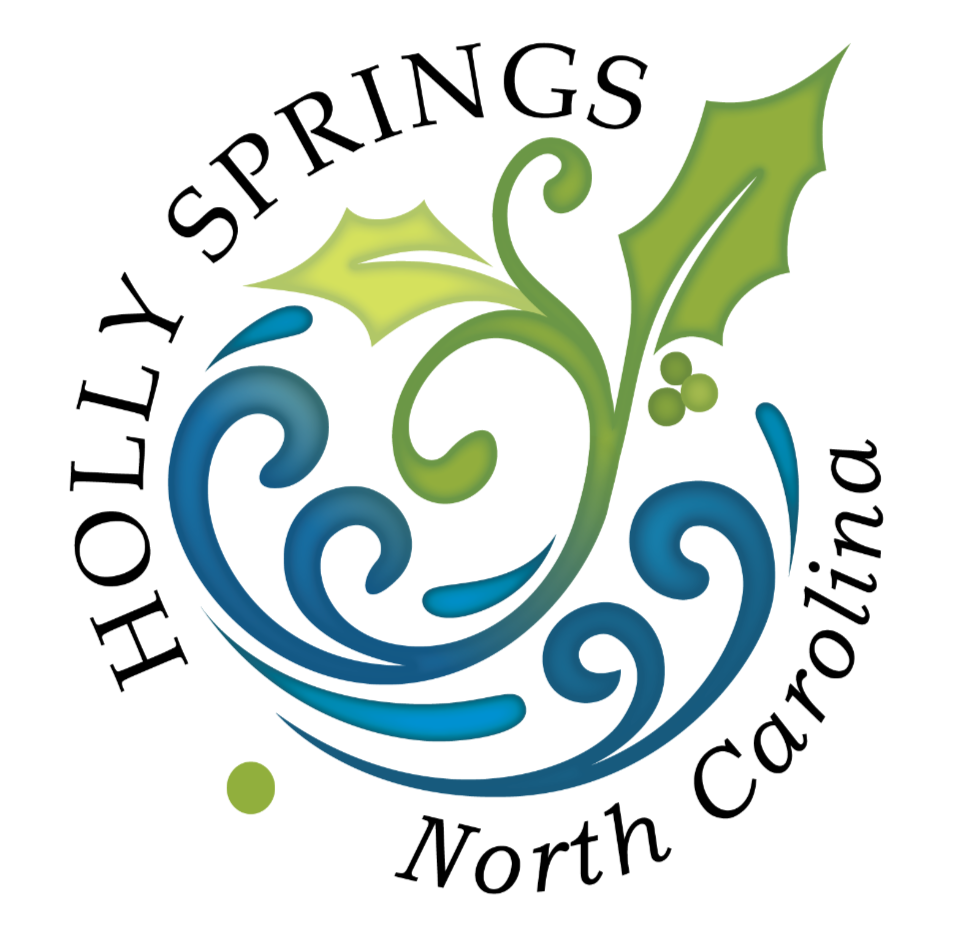
Holly Springs Logo
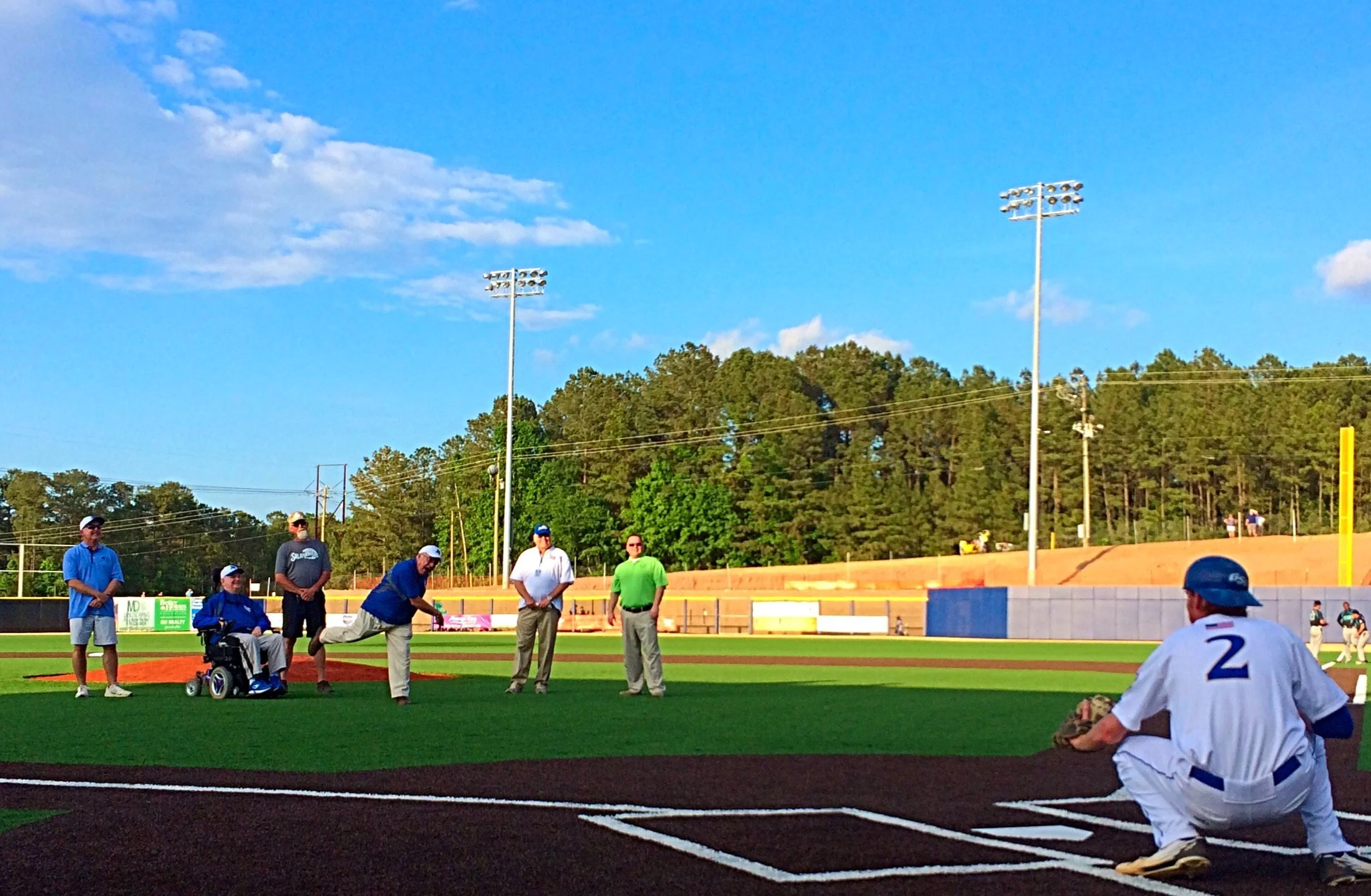
North Main Athletic Complex Opening Night First Pitch
2017
Honoring the Past
Town funds support the first Finding Patience production, a play about Holly Springs history, from the trials of the Civil War to the struggles for equality and the challenges of modern-day society. The Town also will support the musical rendition in 2022.
The Town purchases the Norris Holland Hare House (built around 1805) along Avent Ferry Road, saving it from demolition. The Town seeks and finds a buyer that will preserve and restore the 1,904-square-foot house, Holly Springs' oldest structure.
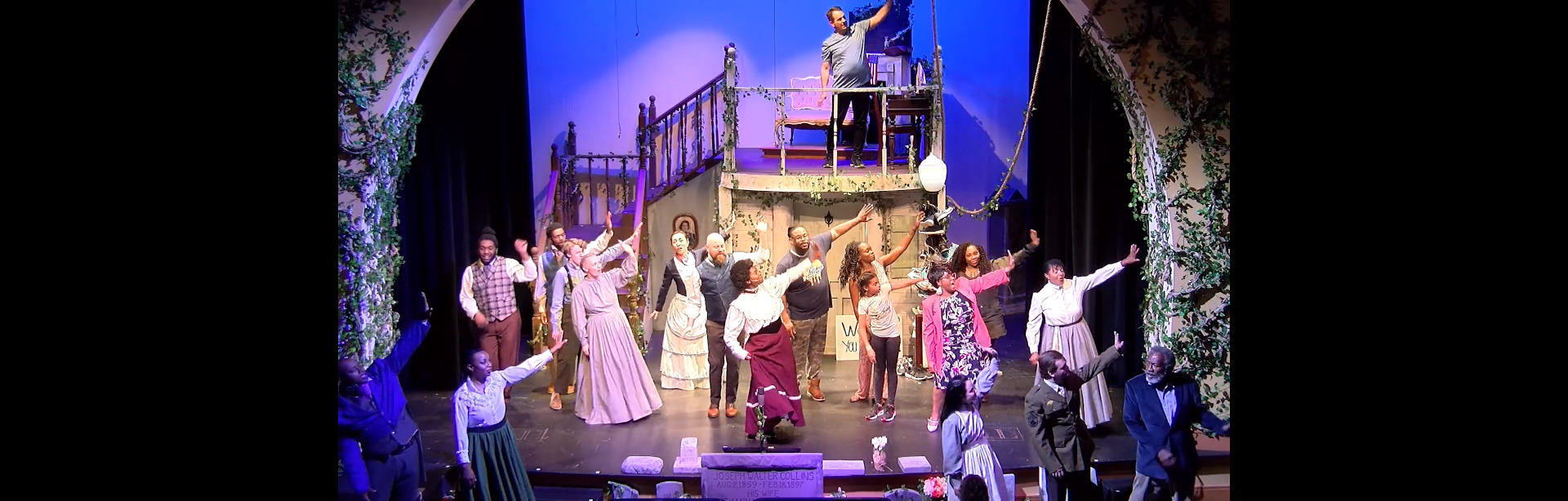
Finding Patience
2018
Investing in Transportation
Holly Springs voters approve a $40 million transportation bond. Projects funded in part by the bond include Holly Springs Road Widening – East, and the Main Street and N.C. 55 turn lanes.

Holly Springs Road Construction
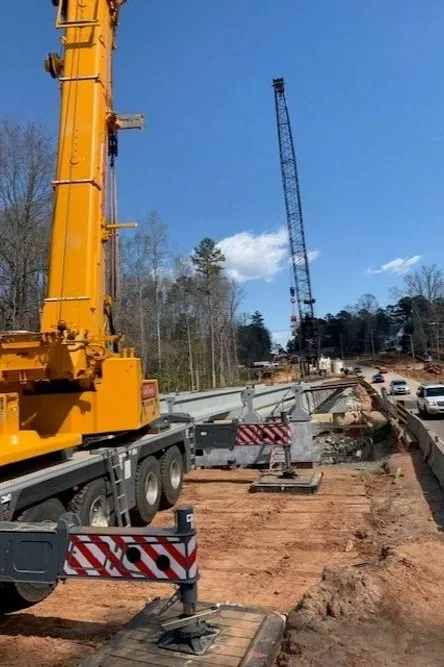
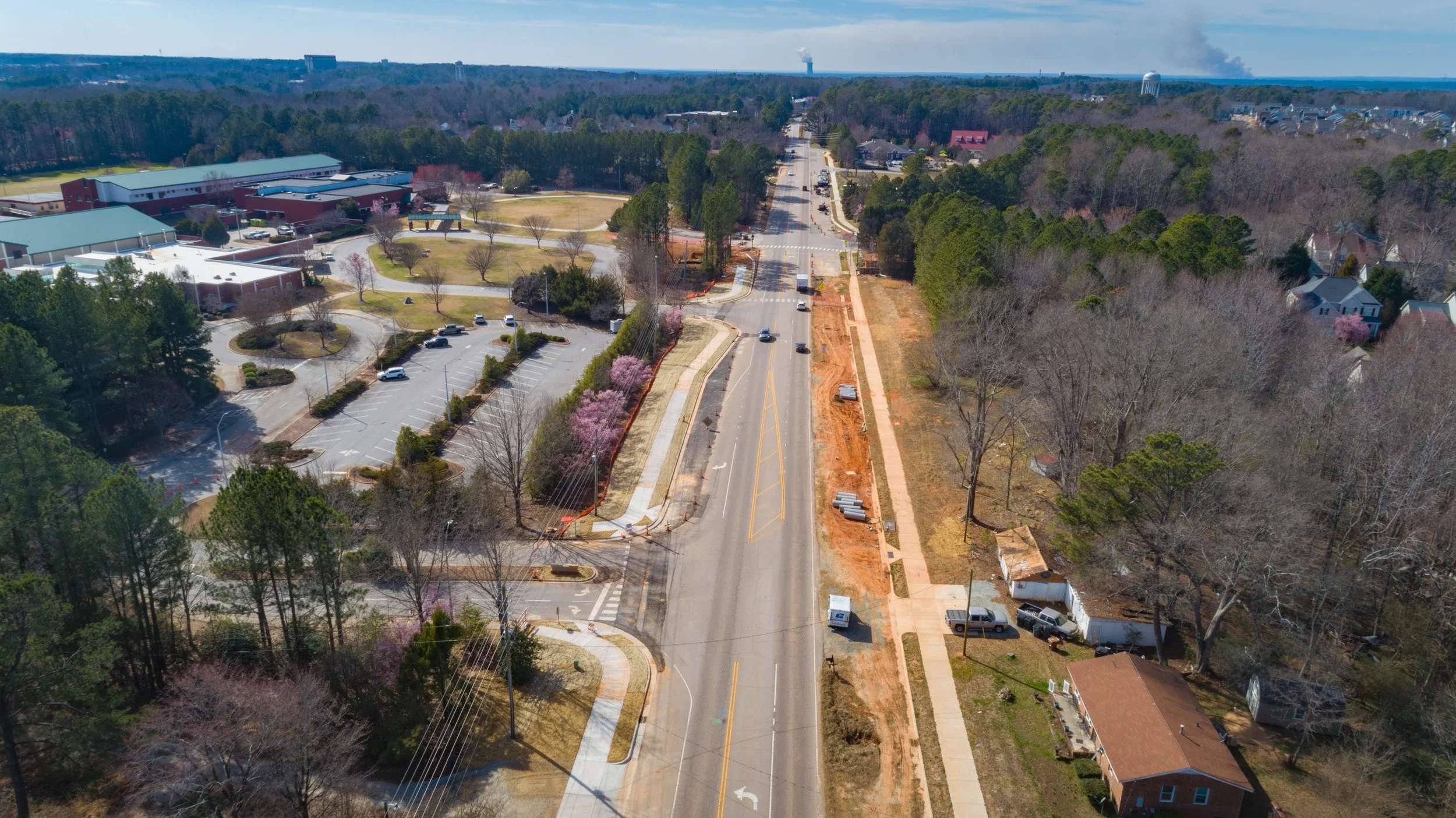
Holly Springs Road Construction
2020
Growing and Green
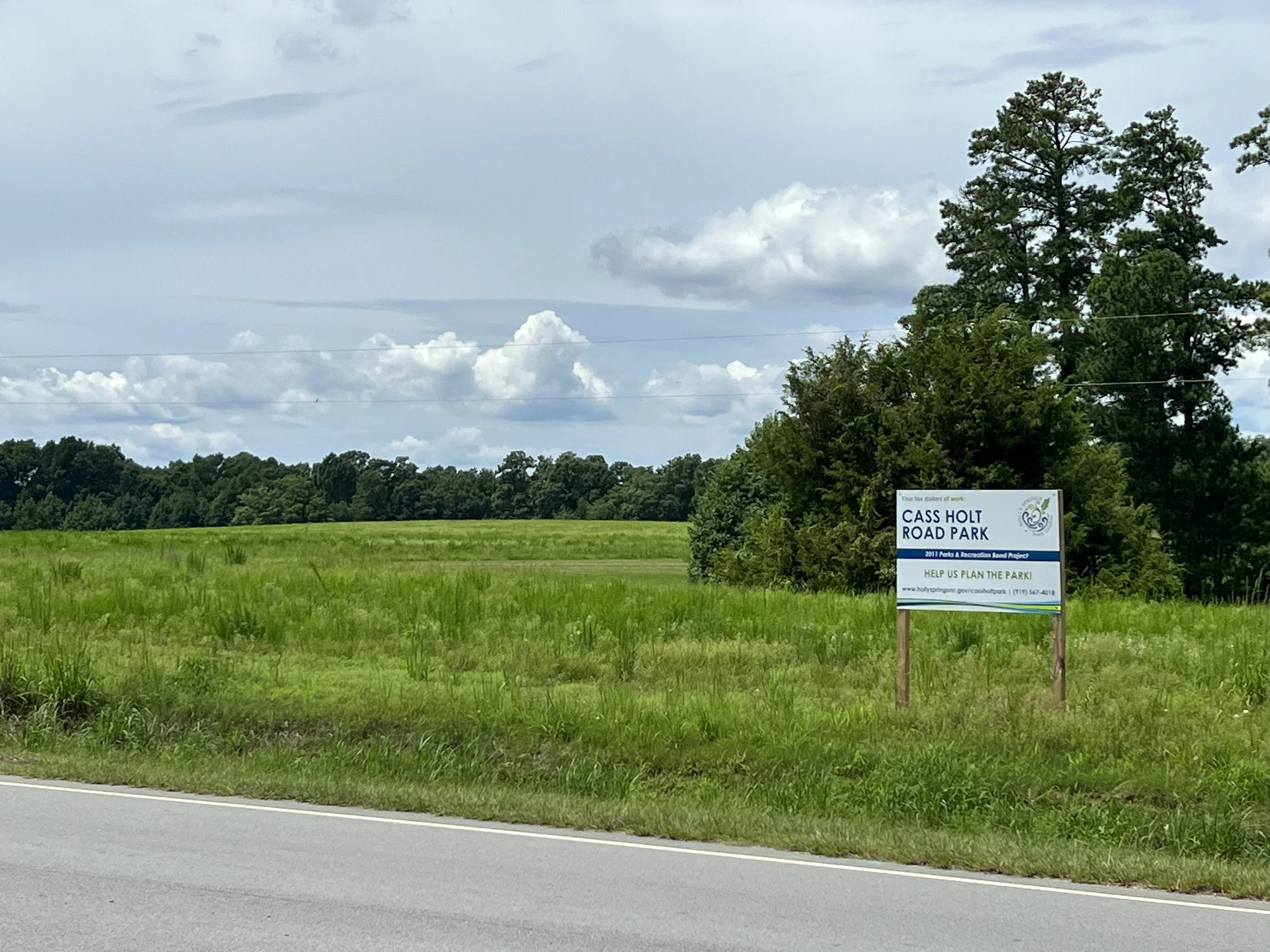
Progress in Holly Springs continues, even during the COVID-19 pandemic. The Tree City USA designation is presented to the Town. Holly Springs purchases 56 acres of prime parkland real estate on Cass Holt Road, across the street from Holly Springs High School. Eagles Landing Park will be the first park west of N.C. 55 serving the growing community. The Town’s population is 41,239.
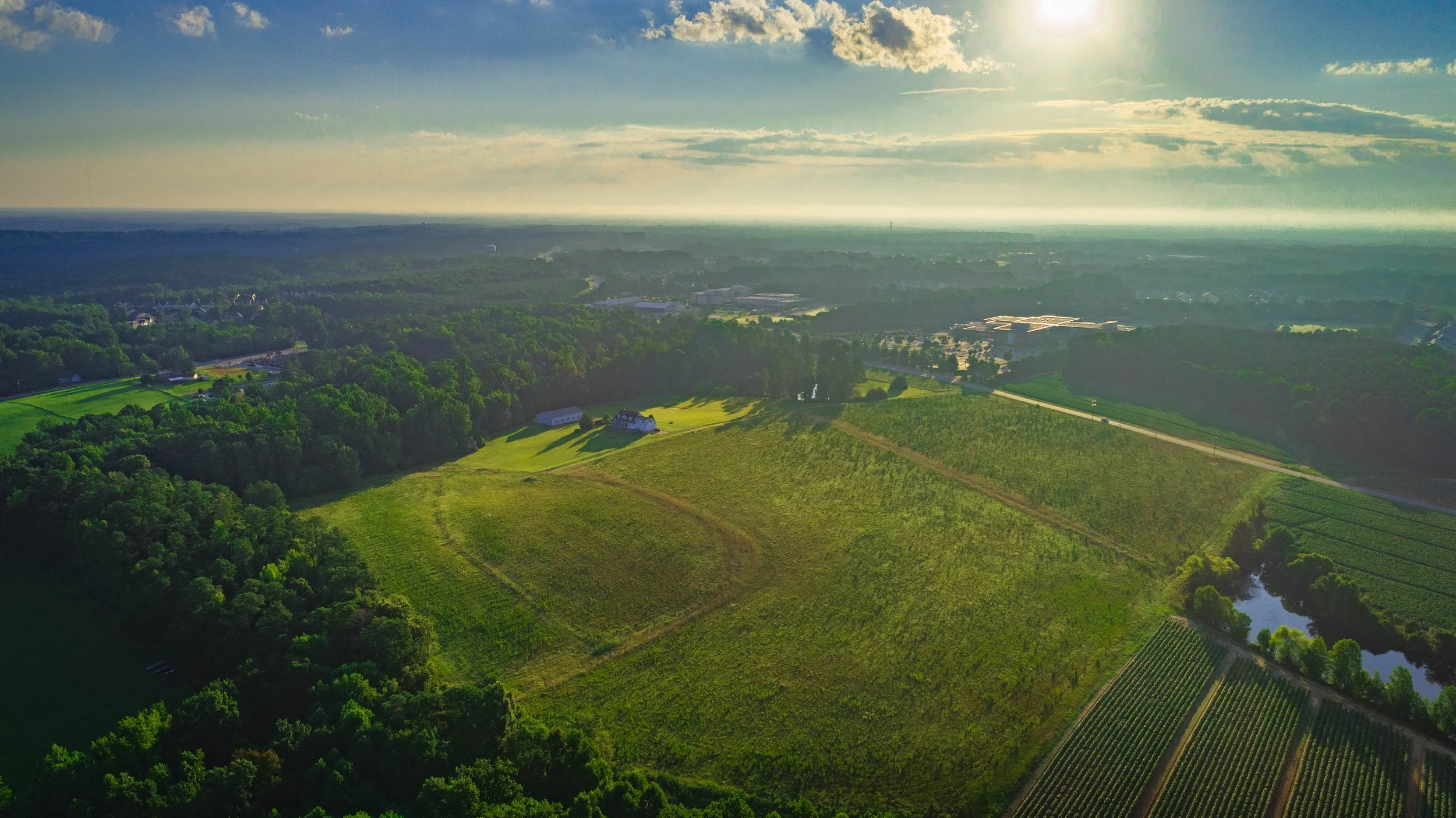
Eagles Landing Park
2021
Expanding Healthcare Options
Rex Holly Springs Hospital opens in November. The opening is the culmination of more than a decade of work by Town leaders who advocated for the arrival of a hospital in Holly Springs, navigating complex regulatory hurdles to ensure residents have local access to emergency care.
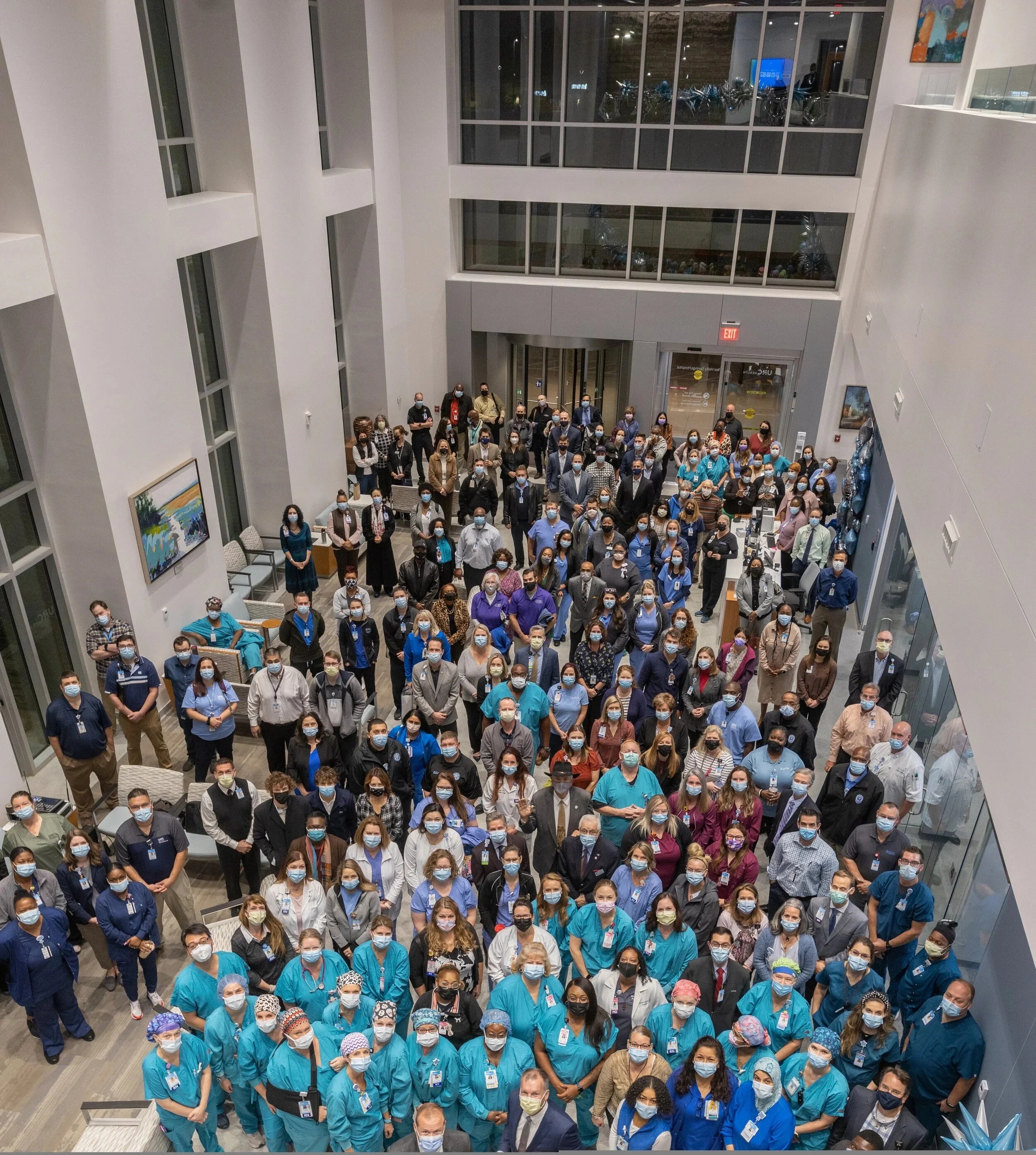
Rex Hospital Opening Day
2023
Residents Support Parks
Holly Springs voters approve a $100 million Parks Bond Referendum to expand and improve parks, recreation, and greenways for everyone to enjoy, including a new park west of N.C. 55. Construction of Eagles Landing Park begins in 2025.
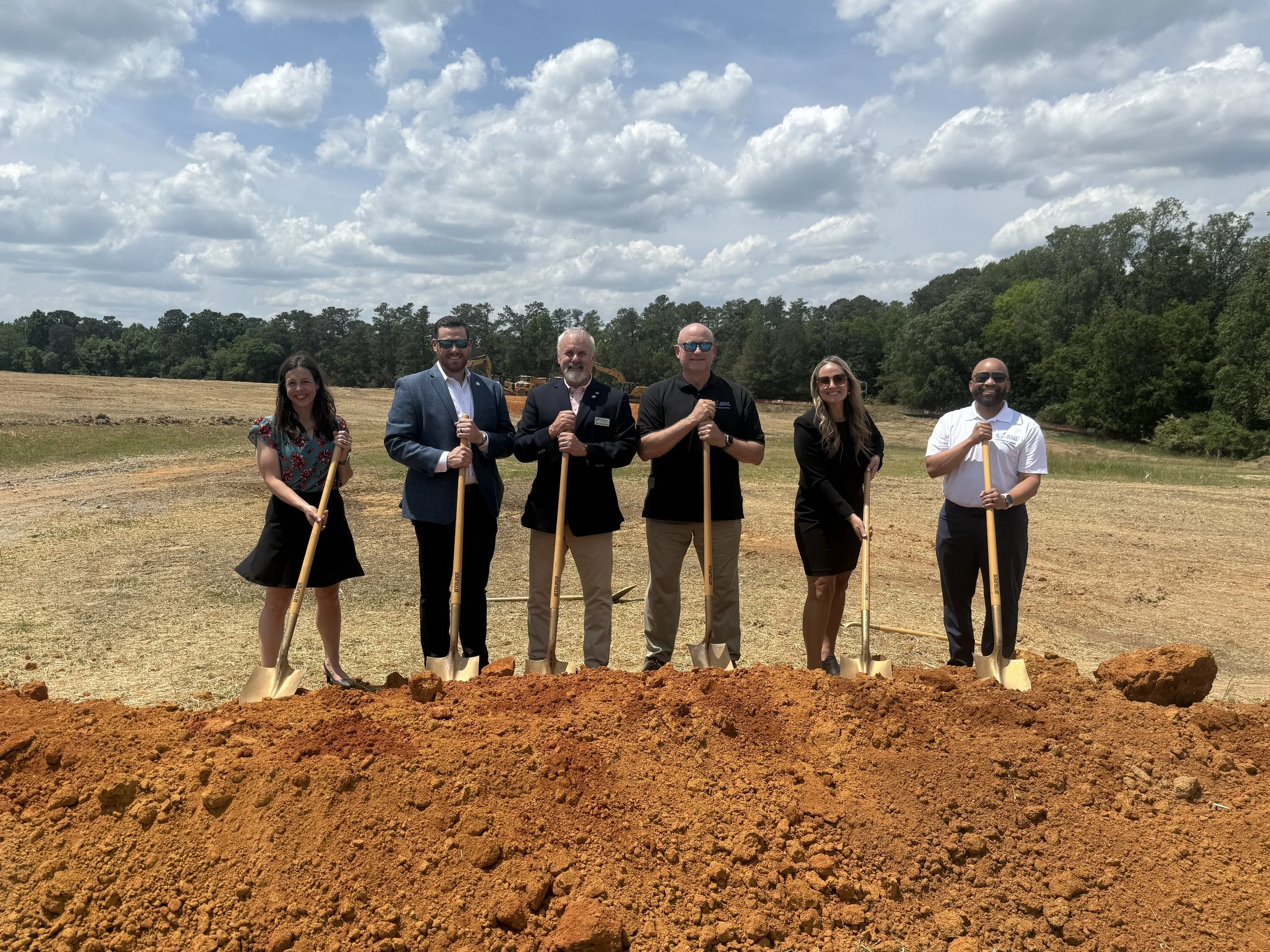
Eagles Landing Groundbreaking
2024
Regional Infrastructure
Holly Springs Mayor and Town Council Members break ground on the expansion of a regional water filtration facility in Sanford. The regional partnership will provide safe, clean drinking water for future residents and businesses in the Town of Holly Springs, City of Sanford, and Town of Fuquay-Varina.
The connection of NC 540 (the Triangle Expressway) from N.C. 55 near Holly Springs to I-40 in Garner opens, providing a vital, high-speed artery connecting the Town to the wider region.
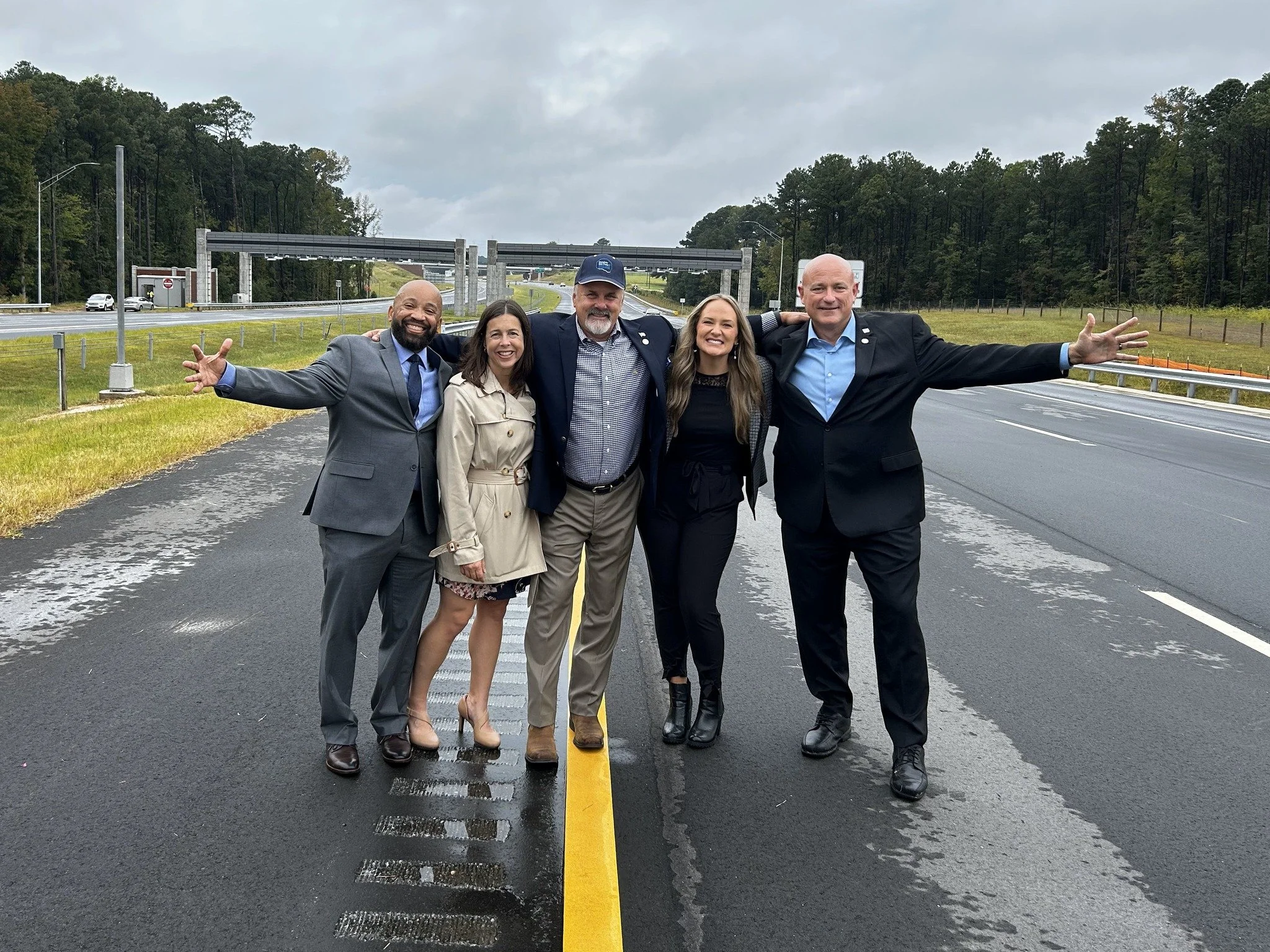
540 Opens
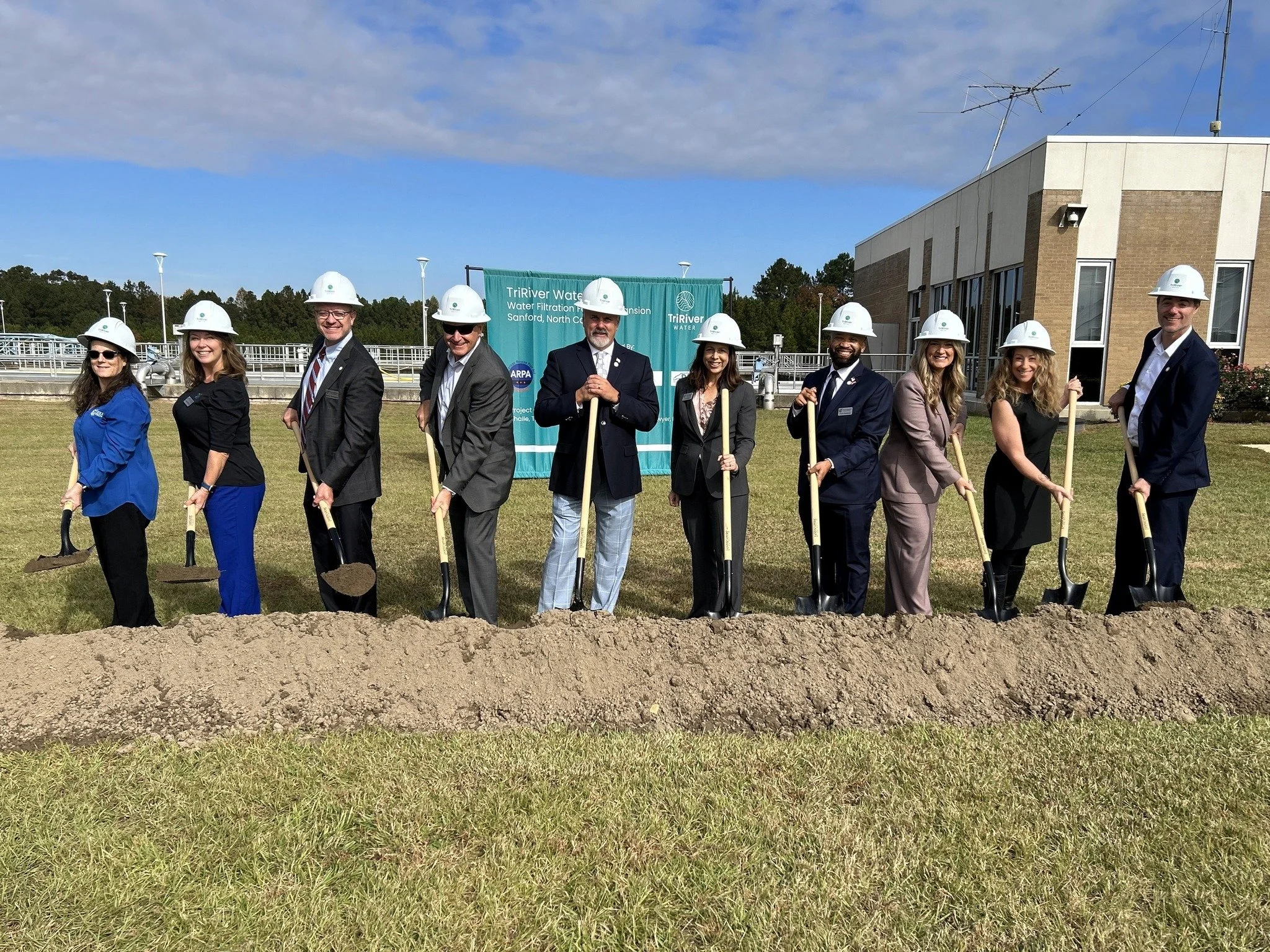
Groundbreaking of Regional Water Filtration Facility
2025
Hopping into the Future
Holly Springs starts 2026 in a big way, with the launch of the Holly Springs Hopper ride-sharing service. The service provides transportation anywhere in Holly Springs, including neighborhoods, businesses, parks, retail locations, and more.
Ribbon cuttings celebrate the first phase of the Holly Springs Road Widening project and the opening of the Community Garden and Nature Play Area at Sugg Farm, featuring unique experiences for children of all abilities to play together.
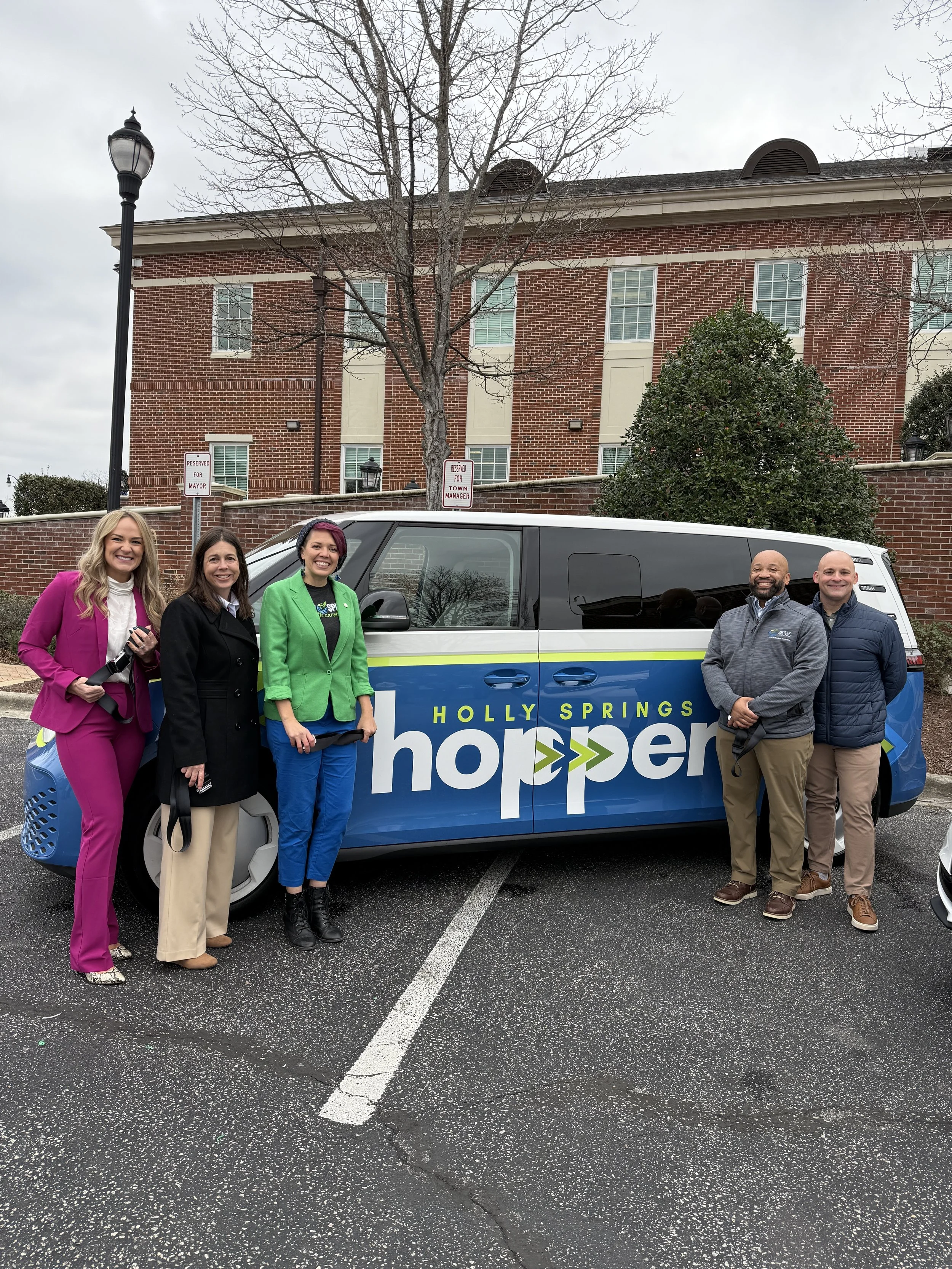
Holly Springs Hopper
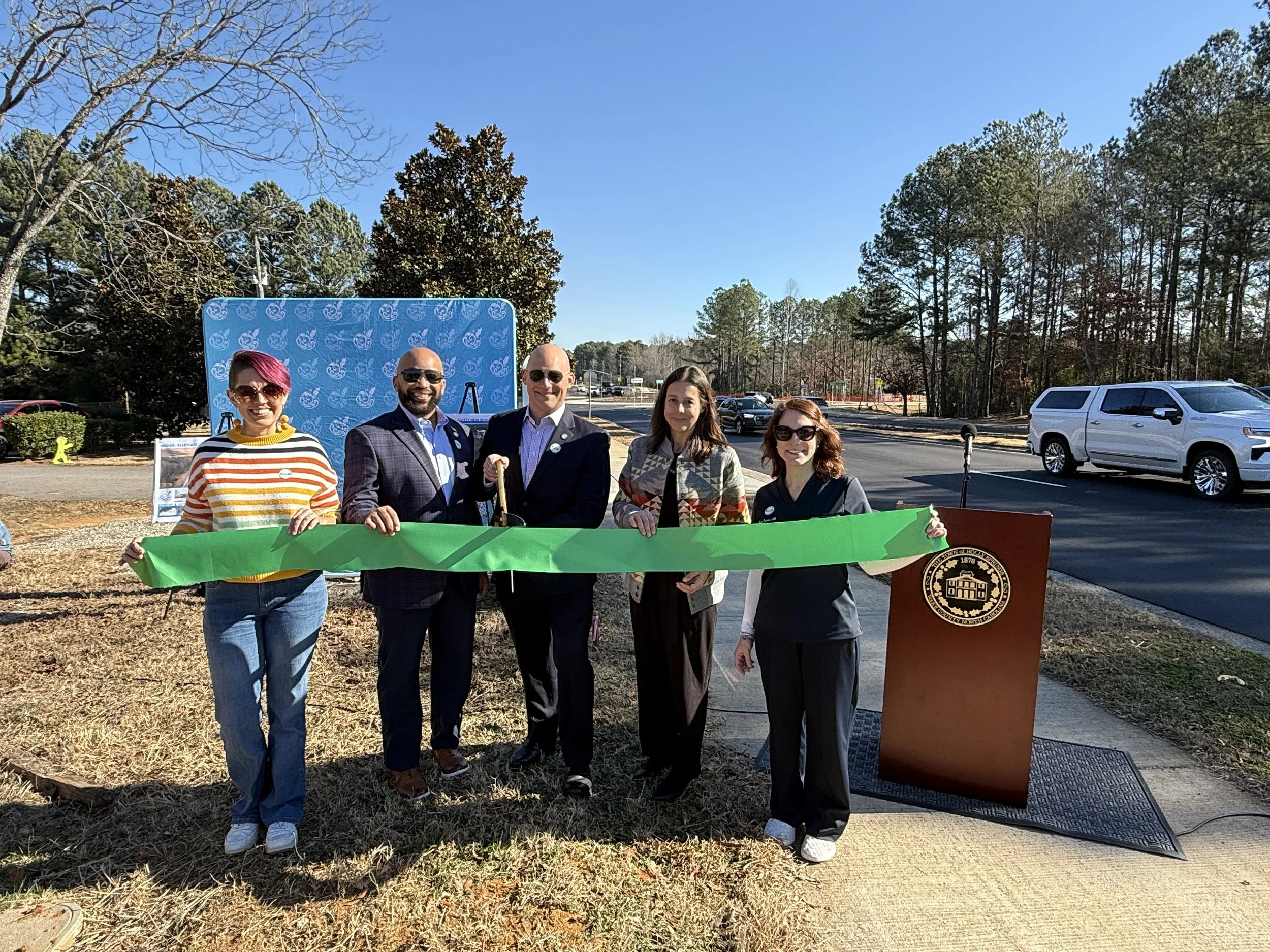
Holly Springs Road Ribbon Cutting
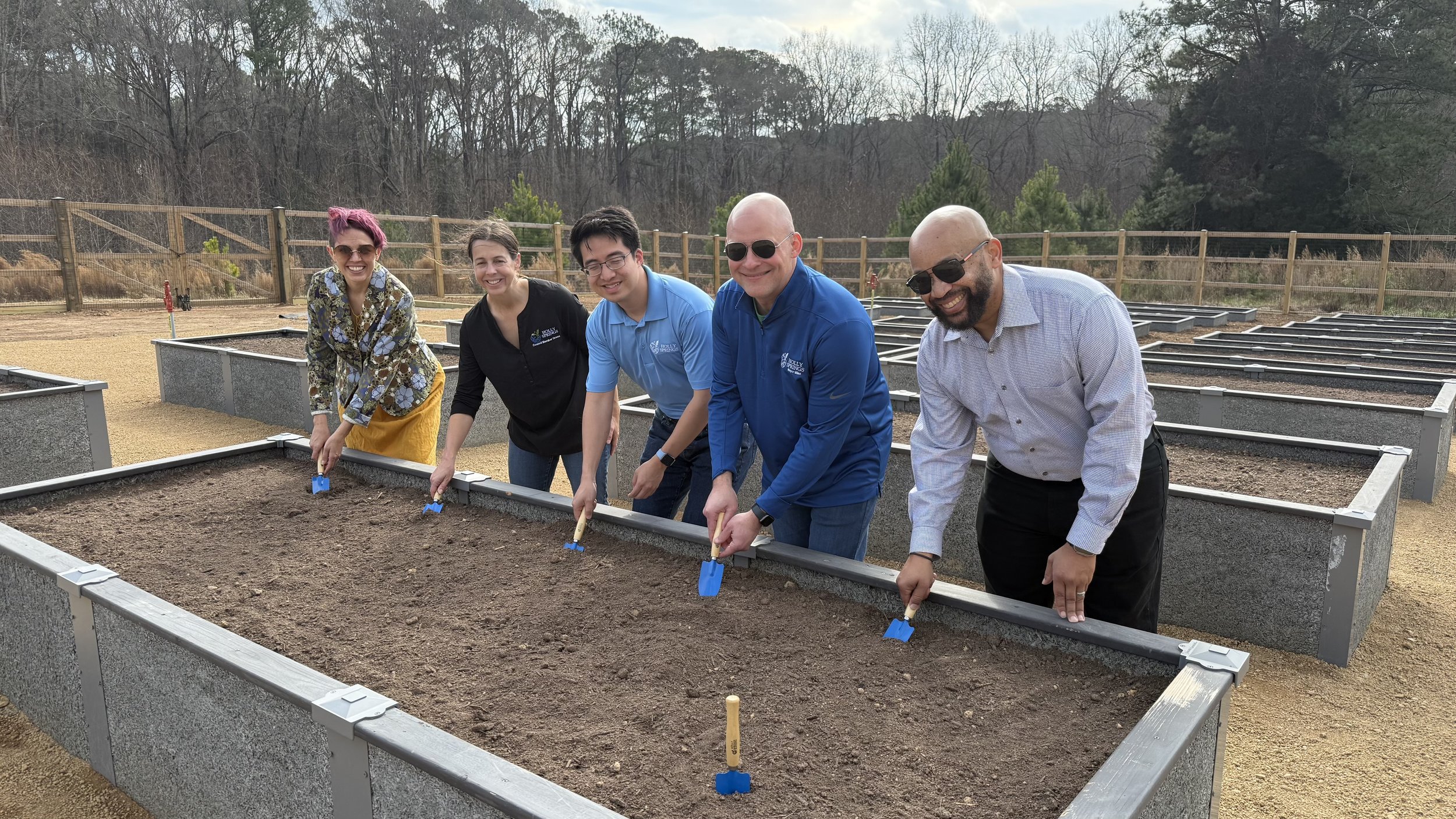
Community Garden Ribbon Cutting