Water, Schools, Parks & More: Former Council Member Tim Sack Reflects
Contributed by Tim Sack
Barb and I moved from Bellevue, Washington, to Holly Springs in October 1994.
We moved into a home in Sunset Ridge subdivision. We had lived in many places all around the country, but never in a place that wasn’t finished. We attended a meet-and-greet with Town officials in the basement of the Baptist church on Main Street. We met Mayor Gerald Holleman, the Town clerk and Police Chief/Volunteer Fire Chief Cecil Parker. They encouraged us to get involved with the Town because so much was needed. There was no real downtown. We envied the towns of Apex and Fuquay-Varina that had main streets. The (Holly Springs) Town government was in a house on Main Street with the Board of Commissioners meeting in a classroom of the old Hunt Center school. There was barely any room for spectators and the window air conditioner had to be unplugged so the Commissioners could be heard. The Town government moved to an appliance store on Main Street with a metal building attached for Town Council meetings.
In 1995, the issues were trying to fight against the proposed Southeast Low-Level Radioactive Waste Disposal site in south Wake County and the need for a library instead of the County’s proposed firing range that would back up to an older Black neighborhood. We fought the County and lost. There were no schools in Town; the students were bused to Apex and Fuquay-Varina. There was no grocery store in Town. There were no drug stores or restaurants in Town. Womble Field was grass with no infrastructure. There was a small city park on Ballentine Street that was in disrepair.
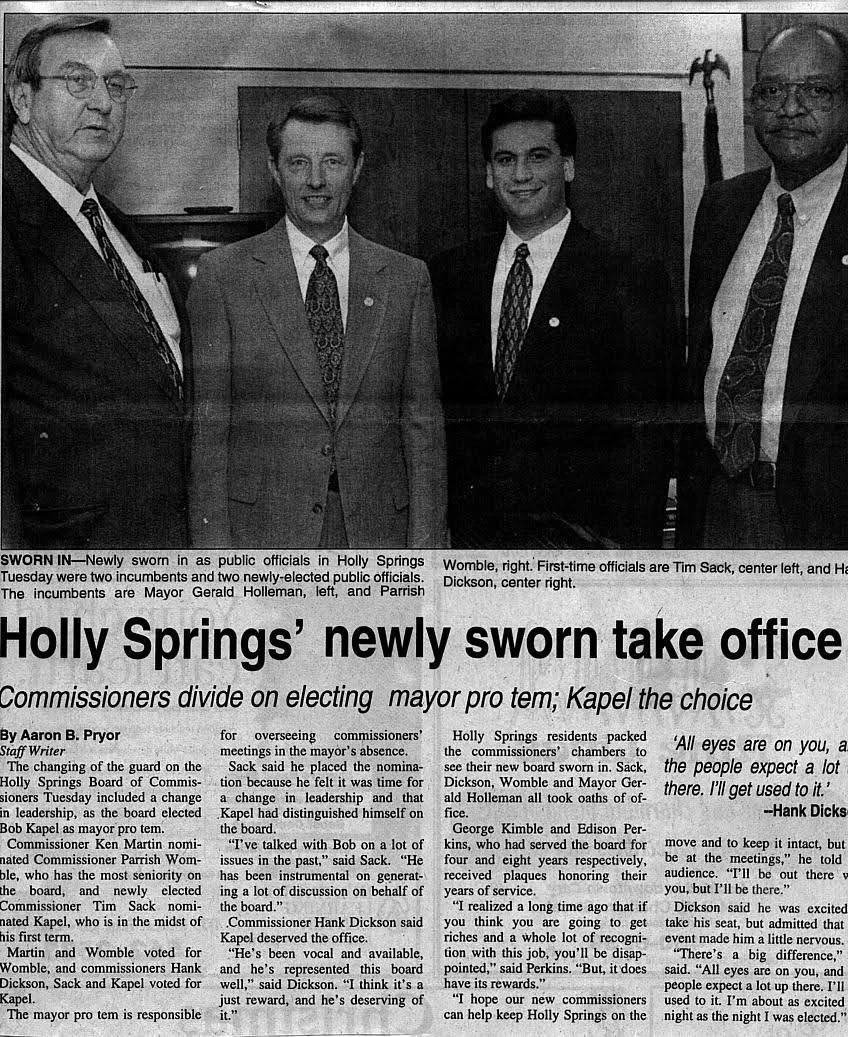
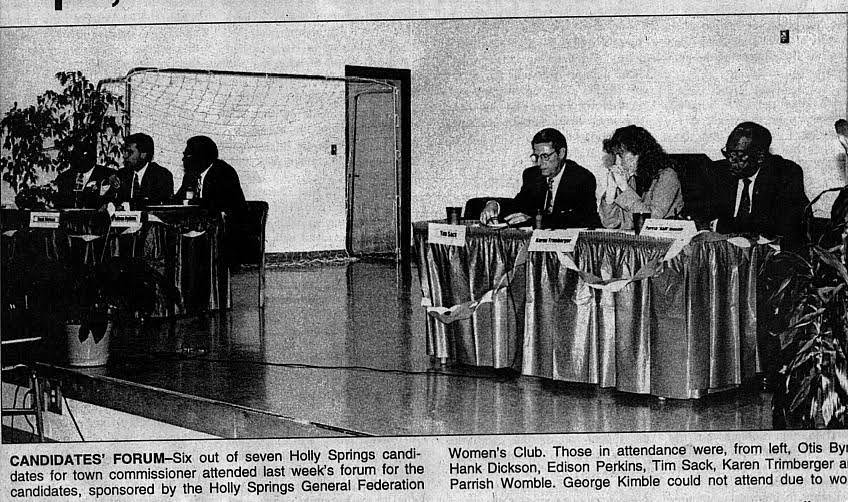
In 1997, I ran for Town Commissioner and was elected along with Hank Dickson and Parrish ‘Ham’ Womble. Mayor Holleman and Economic Development Director Jenny Mizelle got the Town to plan for a downtown with a city planner in Chapel Hill. A vision for downtown was made in the 1999 Comprehensive Plan. Mayor Holleman hired Joni Powell, who was a reporter for the Independent, to be Town clerk. The Town hired Stephanie Sudano, Jennie Mizelle, and Gina Clapp from other towns to be heads of departments. Len Bradley was the director of Parks & Recreation. Luncie McNeil did a fantastic job as director of Public Works. Ricky Blackmon had his hands full as director of Code Enforcement. We hired John Schifano, who was a Town councilman, to be our Town attorney. When we hired Carl Dean to be Town manager, the Town really got going.
In 1998, a drought started that made water shortage a major issue. Holly Springs, at the time, got its water from Raleigh by way of pipes to Cary, then to Apex, and down Highway 55 (Main Street) to Holly Springs. At one point, the shortage became so serious that Apex was going to shut off water to us. The Town had only one elevated water tower. The Town worked with Raleigh and built a 12-inch water line down Holly Springs Road from a new pump station near Ten-Ten Road into Town. At about the same time, the well and septic systems of a lot of homes in the unincorporated community along Holly Springs Road were failing with contaminated water. The area became known as the Fair Share area. The Town government moved to provide access to water from the new pipe that went through their area. The Town couldn’t get 100 percent agreement from the homeowners, so it ended up forcefully annexing the area and providing water and sewer hookups to the area.
The need for water remained a problem, and Wake County did not want to get involved, leaving it to the towns to work things out. Town Manager Carl Dean worked with Lillington on the Cape Fear River to buy capacity in their treatment plant for water. The Town passed a bond to finance an 18-mile, 36-inch water line to Holly Springs.
The Town continued to grow at a rapid pace. The State wasn’t paying the Town enough based upon our real population. The Town paid for a special census so that we could get the money we were due.
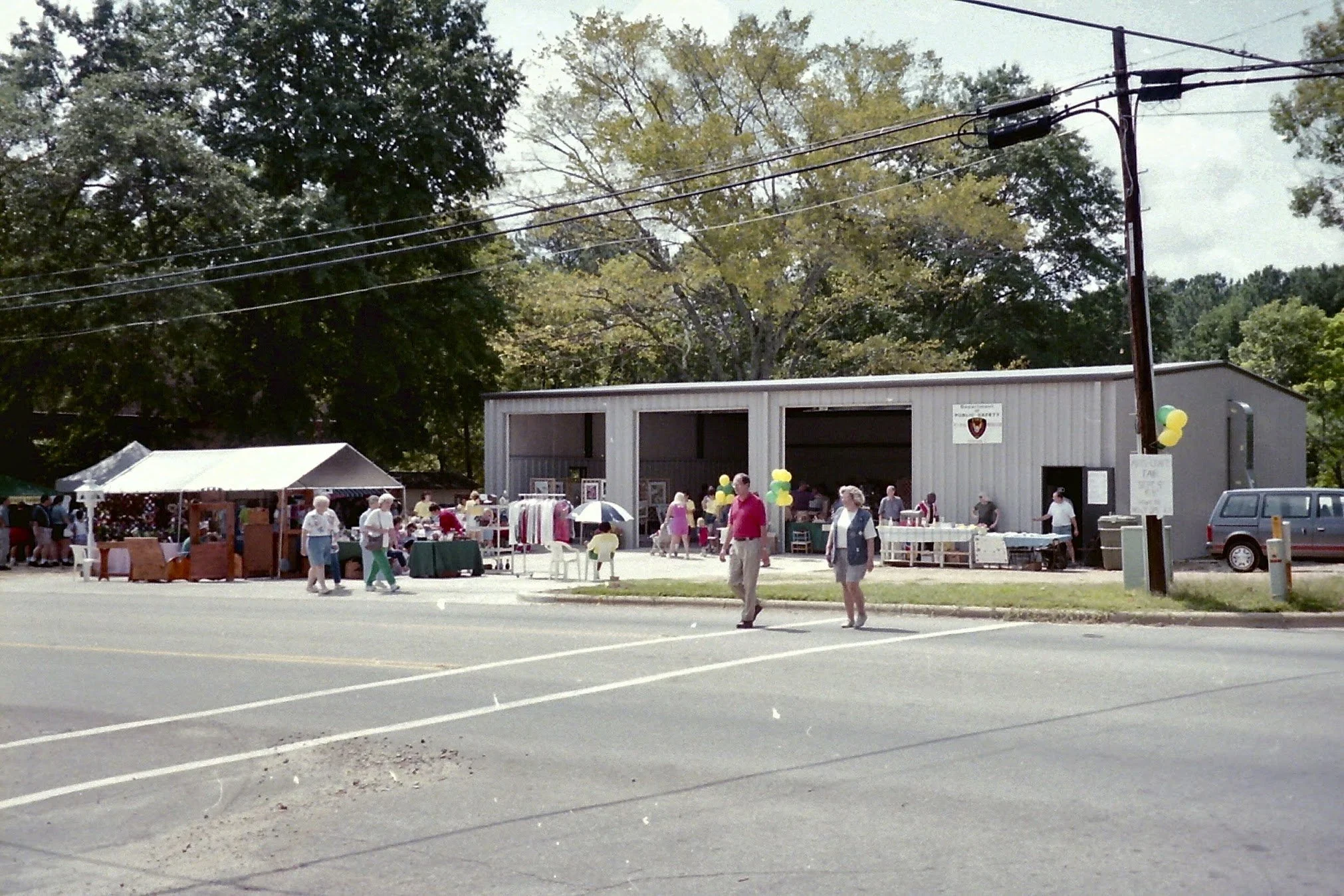
The Town had a volunteer fire department and a two-person police department consisting of Cecil Parker and John Herring. The Town built a metal shed, three-bay fire station on Main Street next to the old house that was Town Hall. A new General Federation of Women’s Club was formed (and helped provide) things the Town needed. They conducted a rummage sale with the opening of the new fire station, raising money for things that were needed. They also started a volunteer library in the Hunt Center school.
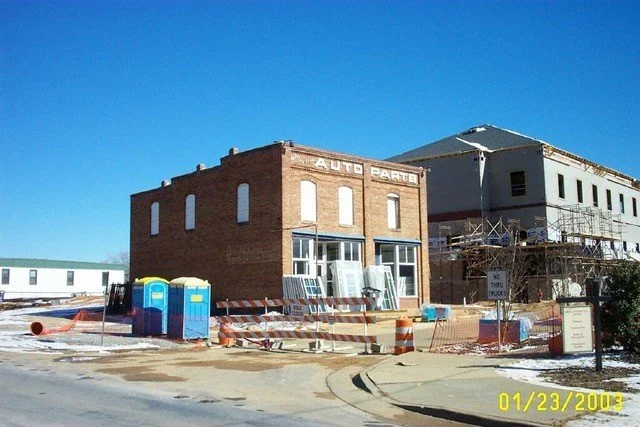
The Town planned and built a centerpiece Town Hall on Main Street, where the old appliance store/Town Hall was. The Town also bought the NAPA parts store next to Town Hall to be used as the police department. With the new Town Hall, everyone was together in one place. There was a great feeling of being part of building a Town.
The Town got its first elementary school on Holly Springs Road. Soon after, Wake County needed land for a middle school with a specific acreage, but the county didn’t want to put together what was needed. The Town identified the property on Holly Springs Road that would work, but it consisted of many small parcels. The Town got a commitment from the county that if we put it together and bought it, the county would then buy it from the Town for the middle school. Commissioner Ham Womble worked with the landowners to put together the acreage. It was said that he had to get about 300 signatures to complete the project. Wake County public schools bought it from the Town, but by that time, the county needed another elementary school, so they squeezed in the Holly Ridge Elementary alongside the Holly Ridge Middle School.
In September 1996, Hurricane Fran came through the state and caused widespread flooding and destruction. Bass Lake was privately owned. Fran wiped out the dam and flooded the area downstream. The cost of restoration of the dam and lake was more than the owners could afford. The property sat vacant for several years when the Town put together the resources needed to rebuild the dam and restore the lake. The Town was able to purchase the property and annex the property into Town limits. Parks and Recreation didn’t have a big budget and asked a group of volunteers to build needed infrastructure throughout the park. The volunteers constructed all the wood bridges and storage sheds by the center. The same volunteers constructed the bridge in Veterans Park, and the staircase down to the pit in Womble Park. The Town wanted to build a boardwalk at the north end of Town off Sunset Lake Road. The Town could provide the materials and plans. Len Bradley and his team provided the material, and the volunteers spent about six months, a couple of days a week, for a few hours building the 1,600-foot boardwalk. It was recently taken down and replaced by an asphalt trail.
The Town had a continuing need to provide food support for disadvantaged residents. Volunteers started a food bank using the parking lot of the Methodist Church in downtown. The volunteers trained and traveled to Apex to get the food and set up tents in the parking lot to distribute the food to those in need. The number of people who needed help grew. The food bank organized and purchased a house on Holly Springs Road to serve the community. The need has not diminished, and the food bank continues to serve the community. The food bank has expanded with additional rooms, refrigeration, and volunteer gardeners for fresh vegetables.
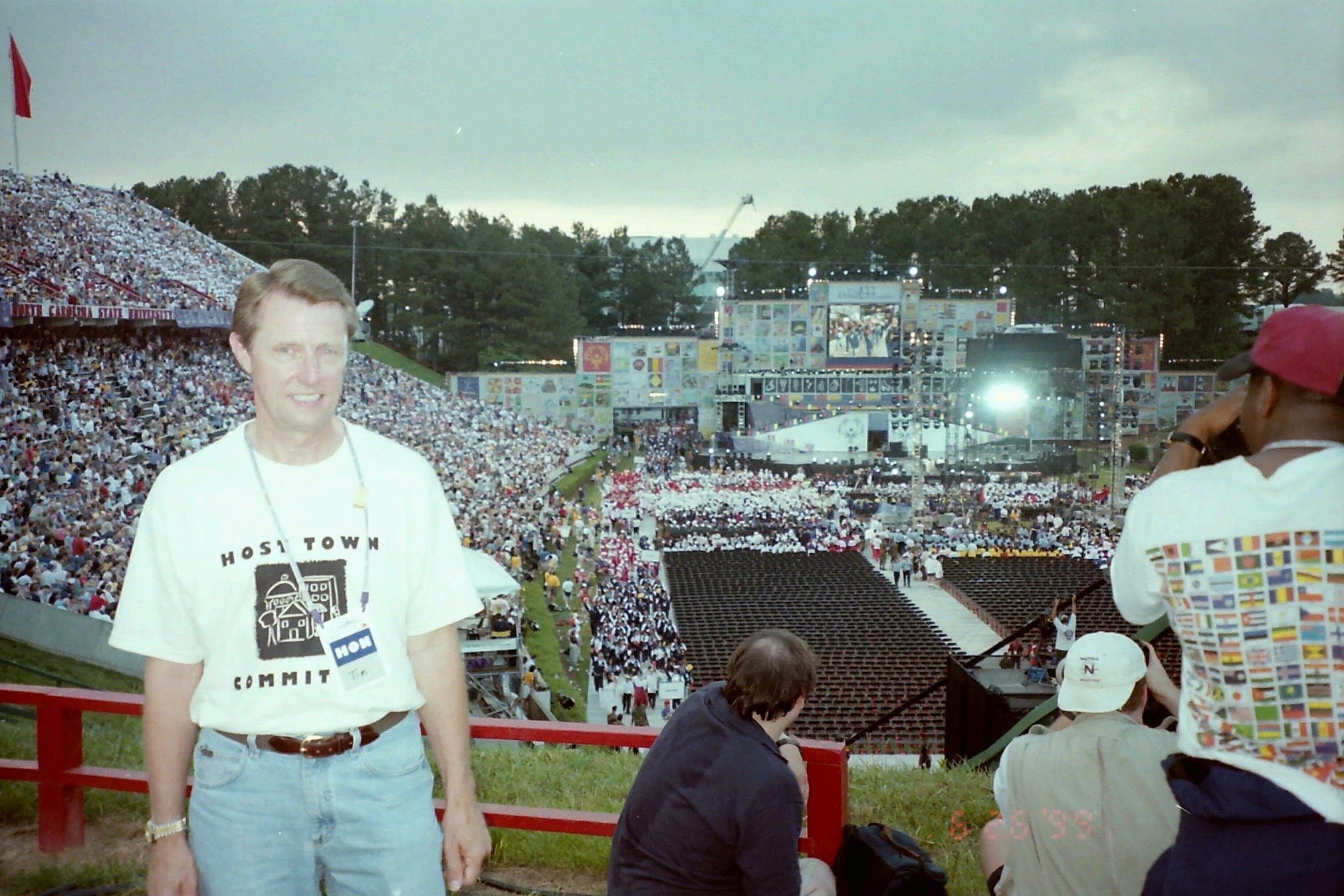
In 1999, Raleigh hosted the International Special Olympics. Joni Powell, our Town clerk, made arrangements for the Town to host one of the visiting countries. The Town made preparations, including flags. When Joni went out to the airport, the country we were expecting didn’t show up. Joni saw another country looking for a host, and we adopted them. Luckily, the country’s flag was the same colors with the stripes horizontal instead of vertical. The Town had a great experience being the hosts.
The Town desperately wanted a library and cultural center downtown. Mayor Holleman got my wife, Barbara, appointed to the Wake County Library Board. There was a list of future libraries, and Holly Springs was way down on the list. The Town had the small park on Ballentine Street that was in disuse. The Town offered to provide the property for joint use to build a library/cultural center jointly. Wake County, which didn’t have to look for and buy property, agreed, and they were built.
Another big need for the Town was nearby access to a hospital. The ride to WakeMed Cary took too long. Novant Health came to Town and asked the Town to support their bid for the 50-bed allocation that the State was planning for Wake County. Novant said they had $100 million for the project and a hospital plan they had built in Morristown. The Town was all in for supporting Novant. Joni Powell got things organized and volunteers went door to door in Holly Springs and Fuquay getting petition signatures in support of the hospital. Town officials presented testimony at the Certificate of Need hearing. The State awarded the beds to WakeMed in north Raleigh. Several years later, another 50 beds were up for allocation. This time, Rex Hospital asked the Town for support. The Town again strongly supported Rex’s bid, and they were awarded the certificate of need. Rex waited several years before building the hospital.
The Town finalized agreements with Apex and Fuquay-Varina to set Town limits. The Town needed more parks and recreation spaces. The Town passed a bond issue to upgrade and build Womble Park and acquire new properties. The Town convinced Wake County that the area of the South Wake Landfill east of the 55 Bypass and between Main Street could and should be used for a park rather than sitting vacant to be used as a borrow area for dirt to cover the landfill. The county agreed and sold part of the borrow area to the Town for a park. Some of the bond money went to buy that. At the same time, a privately owned farm that sat between Bass Lake and the Town limits became available with conservation easements that prohibited development. The Town was able to purchase the Sugg Farm and use it with the assessments. The Town also was able to purchase the wooded property behind the Methodist church, which was zoned for residential development, to be used as a park.
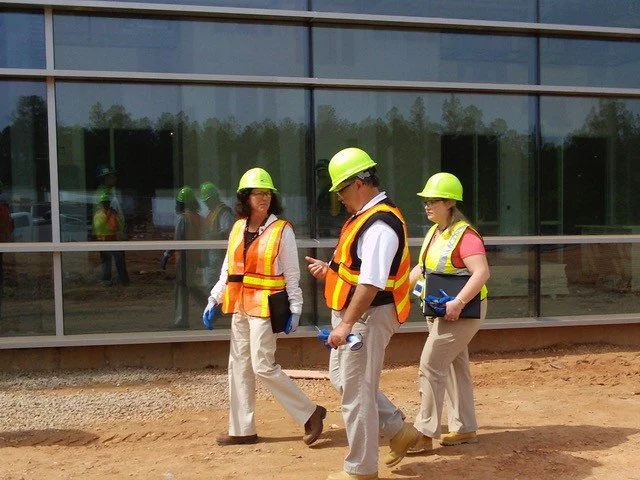
The Town, under the leadership of Town Manager Carl Dean and Economic Development Director Jenny Mizzelle, brought in commercial development and construction of what is now the Seqirus (Novartis) vaccine manufacturing facility.
It was a big loss for the Town when Carl Dean passed away.
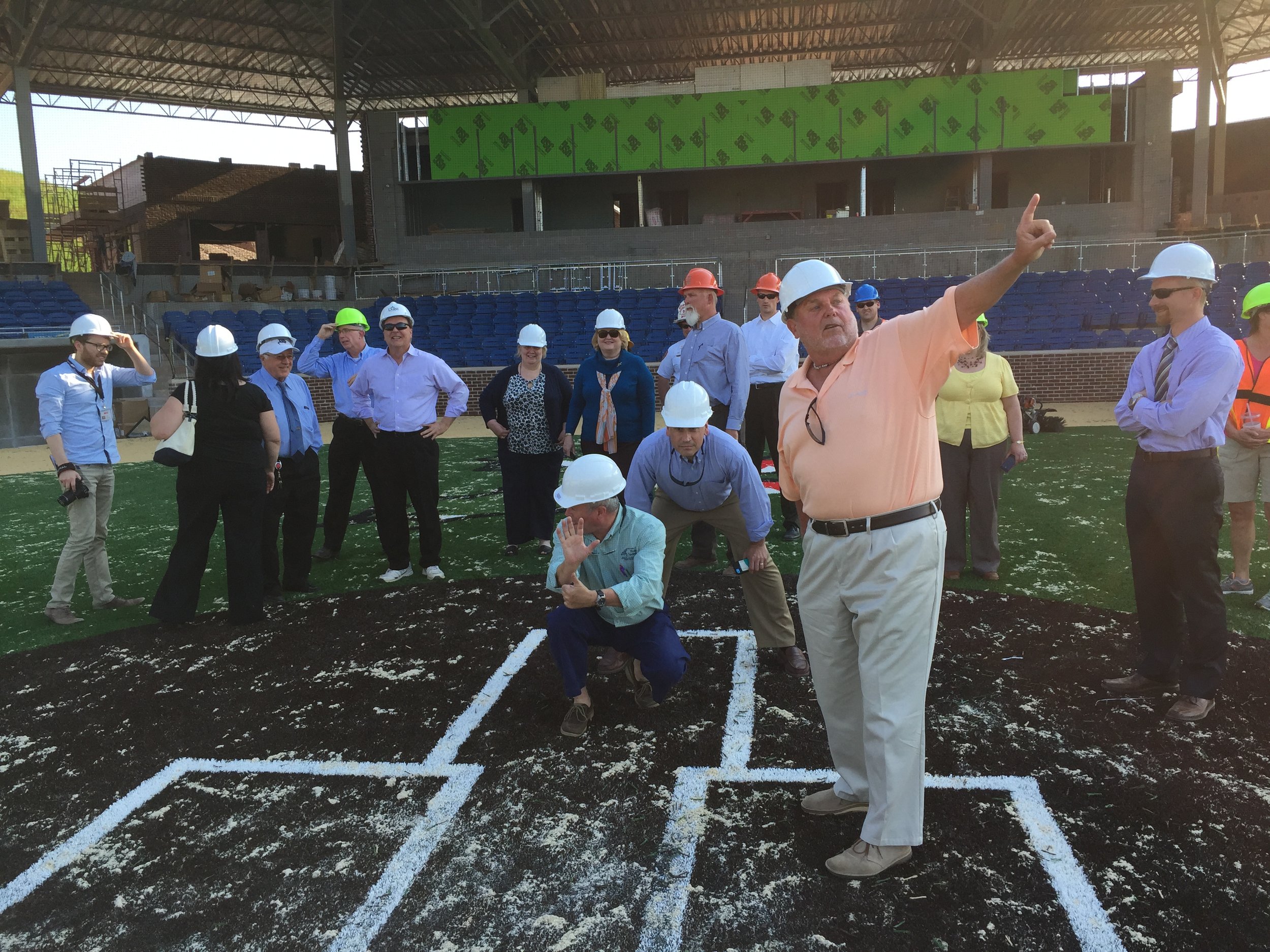
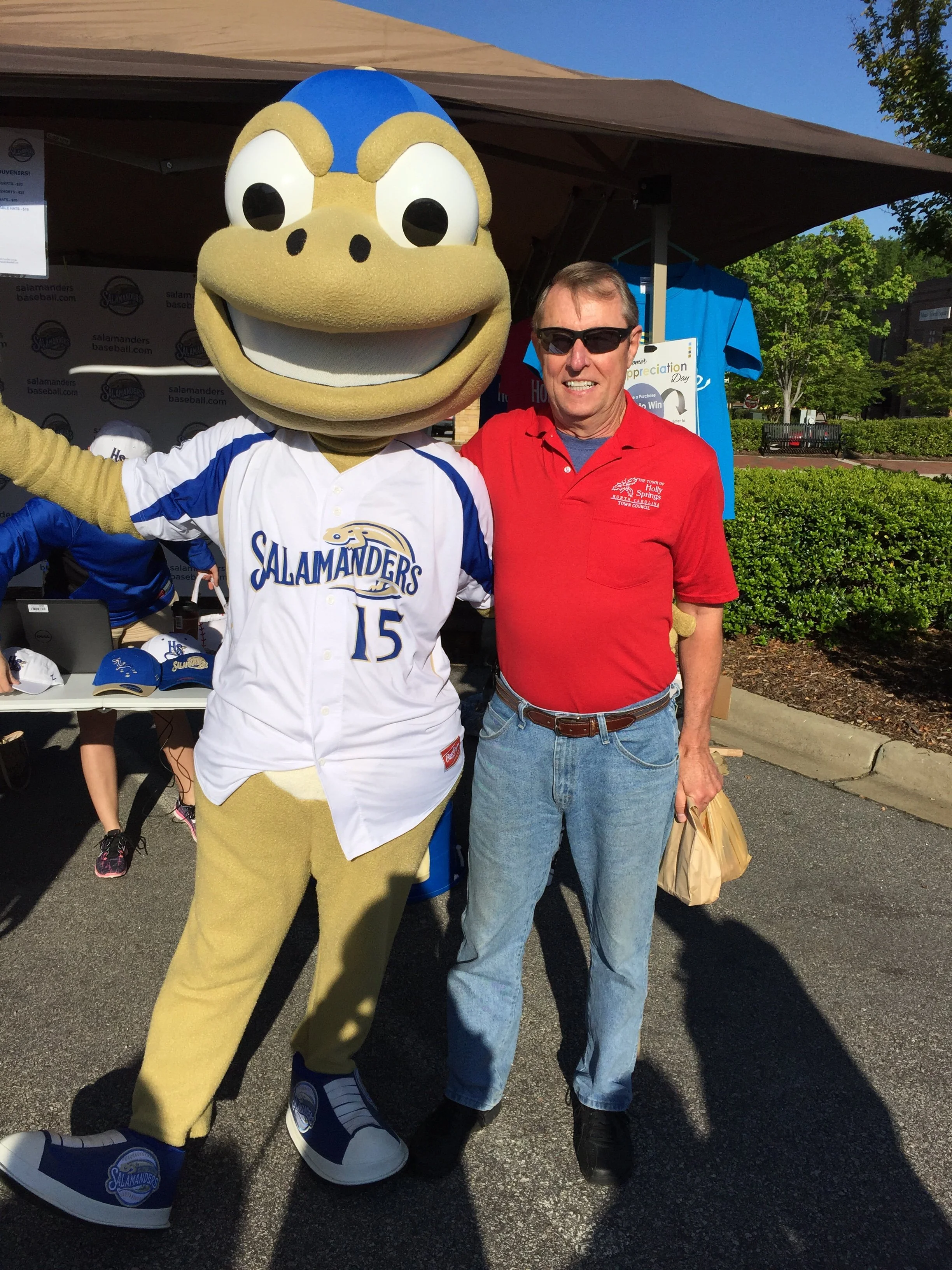
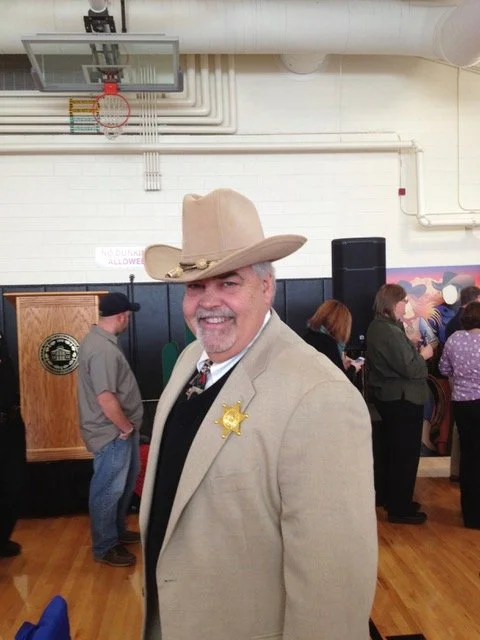
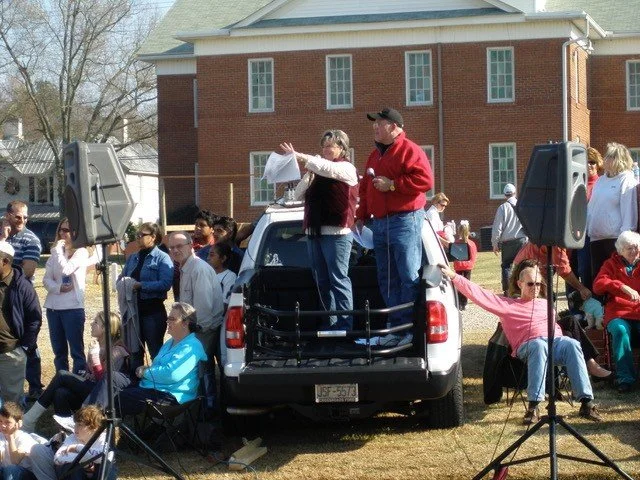
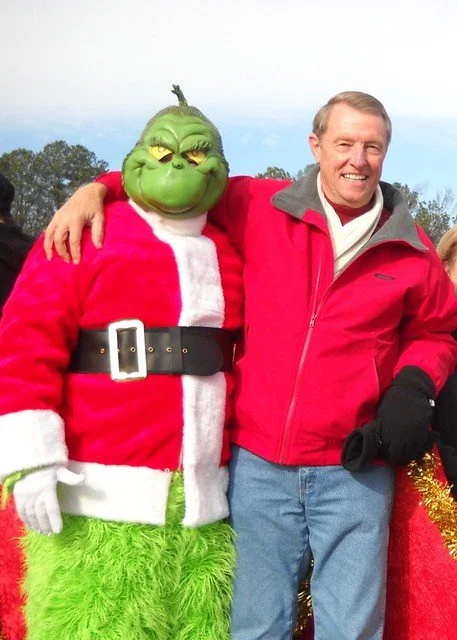
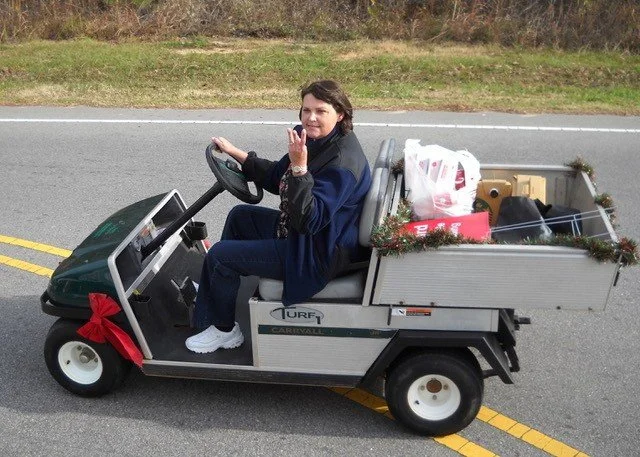
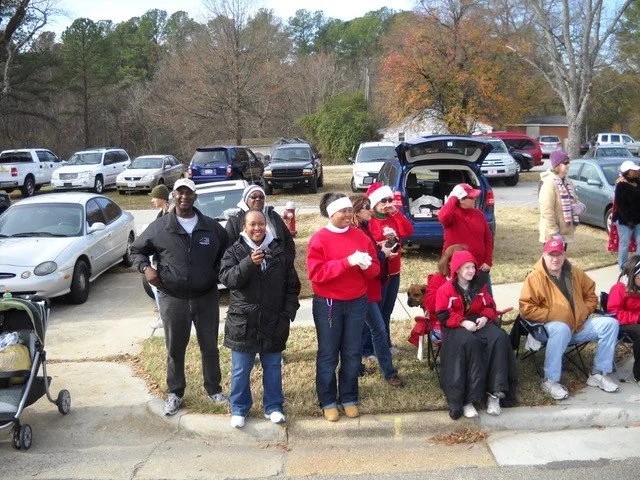
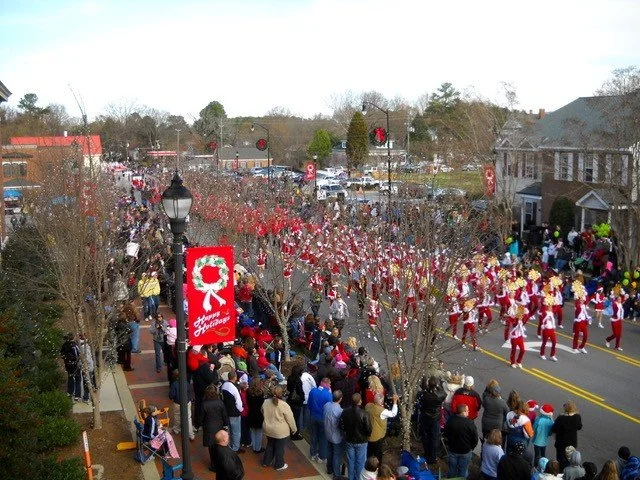
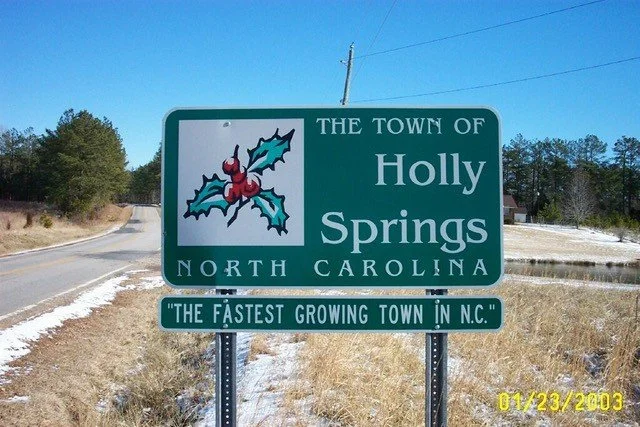
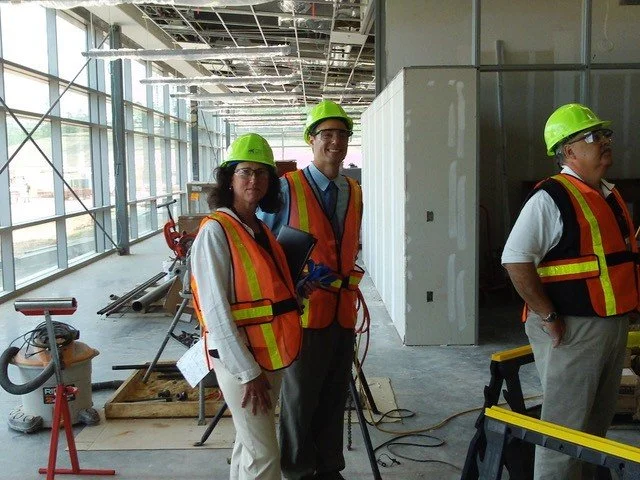
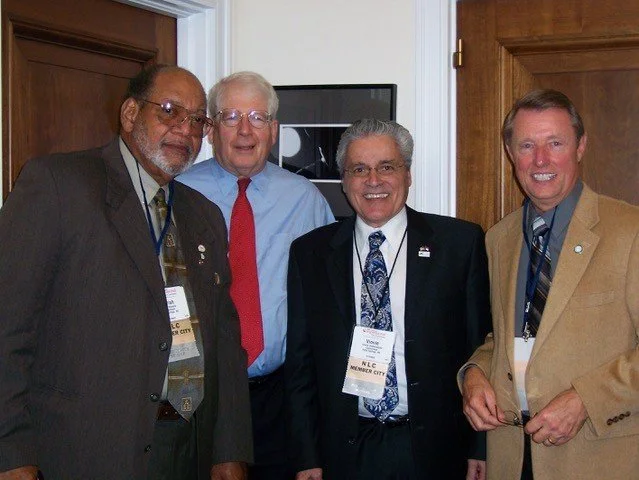
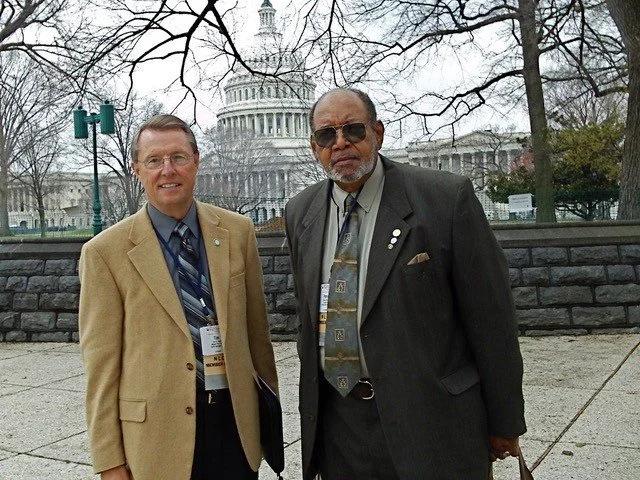
Photographs contributed by Tim Sack include images from his service as a Holly Springs Council Member.
-
![]()
-
![]()
-
![]()
-
![]()
-
![]()
-
![]()
-
![]()
-
![]()
-
![]()
Former Town Manager Carl Dean
-
![]()
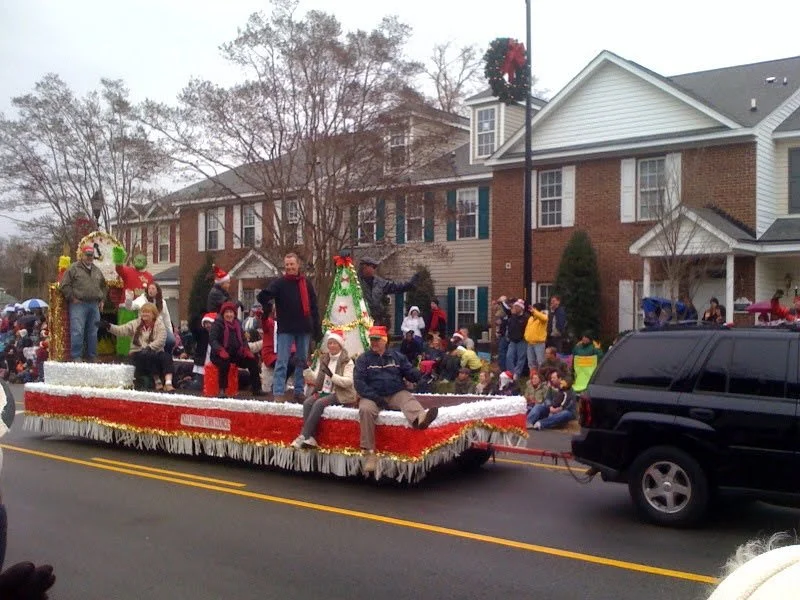
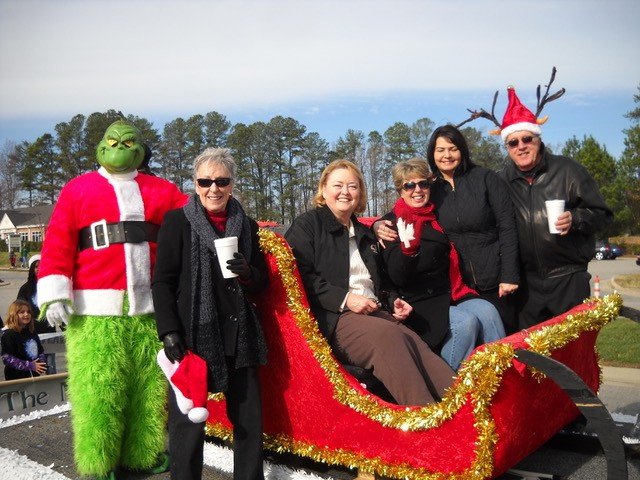
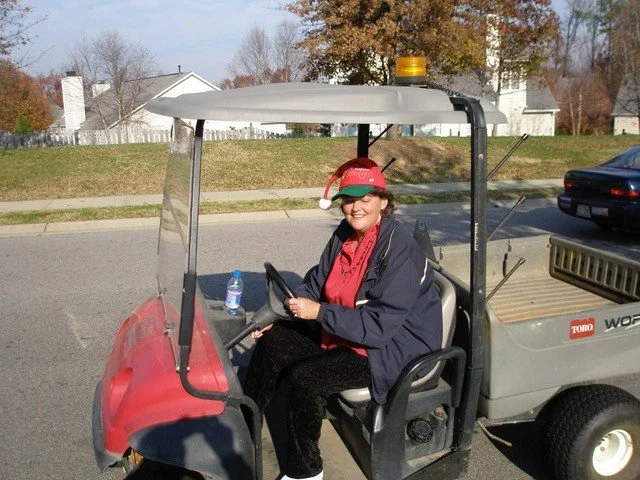
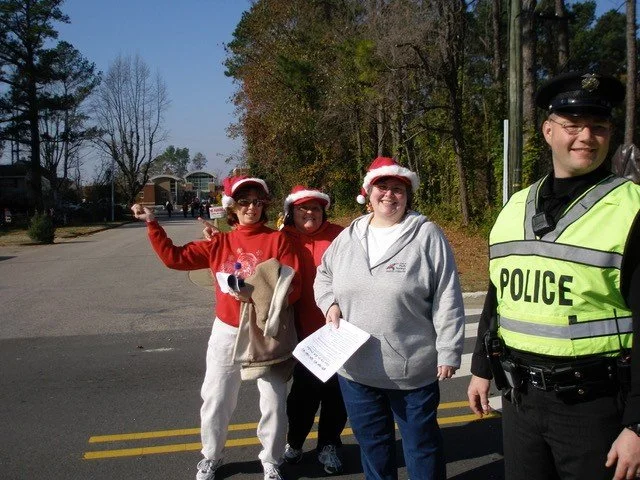
Photos from previous Happy Holly Days Parades
-
![]()
Photos from previous Happy Holly Days Parades.
-
![]()
Photos from previous Happy Holly Days Parades.
-
![]()
Photos from previous Happy Holly Days Parades.
-
![]()
Photos from previous Happy Holly Days Parades.
-
![]()
Photos from previous Happy Holly Days Parades.
-
![]()
Photos from previous Happy Holly Days Parades.
-
![]()
Photos from previous Happy Holly Days Parades.
-
![]()
Town Hall Construction
-
![]()
-
![]()
Town Hall Staff at Novartis construction.
-
![]()
Town Hall Staff at Novartis construction.
-
![]()
Holly Springs Council members visiting Congressman Price in DC.
-
![]()
Holly Springs Council members visiting Congressman Price in DC.