


Milestones and Mayors: 150 Years of Leadership
In 1880, a small headline in the News & Observer made a bold prediction about the tiny village of Holly Springs: its population had reached 124 people, and "from indications, it will be more." They had no idea just how right they were.
For a century and a half, Holly Springs has been shaped by the grit and vision of over 38 mayors who steered the Town through the depths of the Depression, the arrival of the first electric streetlights, and the recent explosion of global biotechnology. This is the story of the leaders who built our streets, fought for our schools, and turned a square mile of North Carolina soil into one of the most vibrant communities in the nation.
Early Town records are spotty, so the names of all past mayors of Holly Springs are not known. However, some mayors and their accomplishments can be found in the history books. The first mayor of Holly Springs was G. B. Alford (1877; 1880), who worked to build up the Town with his Cape Fear Enterprise Newspaper, the Holly Springs Land & Improvement Co., and the founding of the Cape Fear Railroad.
Mayor Rufus Templeton (1903; 1909-1911) attracted the first doctor to move to Holly Springs to serve the residents’ medical needs. Later mayors supported education: John Brooks (1906) and J. R. Carter (1900-1902; 1911-1913; 1914-1917) supported fundraising for Holly Springs School, and T. H. Wiggins’ (1908) administration saw the establishment of a school to educate black students.
Electric streetlights came to Holly Springs during W. F. Shaw’s second administration (1917-1921). He also had the original section of the Town cemetery surveyed and mapped. David A. Baker, during his first set of terms (1921-1927) expanded the cemetery property. Baker was also the first mayor to work regionally with other municipalities when he cooperated with Fuquay Springs (now Fuquay Varina) to negotiate lower rates from the electric company for lights in both towns. But he also adopted the ordinance calling for a $5 fine for anyone “engaging in any ball game on a Sunday.”
Perhaps an early example of economic development in the Town came under Mayor L. H. Furr (1929) when the Crystal Hosiery Mill property was exempted from taxes for five years, from 1929 to 1933. Mayor Calvin L. Massey (1935) may have been the first mayor to secure federal funds for Holly Springs when he worked to obtain Works Progress Administration funds for street improvements.
During the Depression years, mayors received their “payment” for work done in the form of a tax credit. They also accepted materials and labor on Town streets for credit against taxes, and even “paid” the rent on a room above the Model Pharmacy for holding Town meetings by crediting an amount each month against the property taxes for the business. These mayors worked hard to shepherd the Town through difficult financial times, as noted in 1933 when the Town Clerk was ordered to pay the light bill “as soon as there are enough funds in the account.”
As the Town emerged from the Depression into the World War II years, Mayor W. L. Price (1935-1945) brought Holly Springs into the League of Municipalities, and during his last term, the first female Commissioner, Elizabeth White, was elected. Mayor Irvin Moore Gattman (1945-1949; 1961-1969) introduced typed minutes, making records of government meetings easier for future generations to read. He was also mayor when the legislature passed a Local Act forbidding the sale of beer or wine in Holly Springs. During his tenure in the 1960s, Mayor Gattman secured a bond to install the first public water system in Town and initiated a beautification project that won Holly Springs First Place in the Wake County Community Development Association contest.
Thurman B. Johnson, for whom Johnson Street is named, was mayor twice: first from 1949-1953, and then from 1955-1961. During his first term, the size of the board was stabilized to a mayor plus five commissioners. During his second administration, he was one of the founding mayors of the Wake County Mayors’ Association. He also hired a teenage Gerald Holleman to cut grass and weeds on the streets, not knowing that Holleman, after he grew up, would one day become mayor.
During Mayor Mallie Jack Stephens’ tenure (1969-1975), municipal elections were shifted from May to the current November timing (in 1973), and for the first time, the Town’s borders expanded beyond one square mile with the first annexation of land into Town.
Mayor Jimmy Hancock (1975-1980) brought a bank to Holly Springs for the first time since the Bank of Holly Springs failed during the Depression. Hancock advertised for a bank in a publicity stunt that worked! One requirement for bringing a bank to Town was the establishment of a police force, and Mayor Hancock hired Dessie Womble, the first black female police chief in North Carolina. He also presided over the Town’s centennial celebrations.
After Mayor Holleman stepped down to work as an advocate for affordable housing, Parrish “Ham” Womble (2001) was appointed to serve the remainder of his term. A big supporter of parks and recreation, he worked to bring the community Womble Park, both during his time as mayor and during the years he served as commissioner before and after.
In 2001, Richard 'Dick' Sears was elected Mayor, beginning a historic 20-year tenure that would redefine Holly Springs. Under his leadership, the Town transitioned from a quiet rural community into a premier destination for global innovation. Sears championed the development of the Holly Springs Business Park and the Oakview Innovation Park. This vision successfully attracted anchors like Novartis (now CSL Seqirus) and FUJIFILM Biotechnologies.
Beyond industry, Sears focused on the human side of the Town’s growth. Guided by his career-long motto, "If it’s good for the kids, it’s good for Holly Springs," Sears prioritized family-centric infrastructure, ensuring that the Town’s rapid growth never compromised its character as a place for the next generation to thrive. He spent over a decade advocating for the arrival of a hospital in Holly Springs, navigating complex regulatory hurdles to ensure residents had local access to emergency care. His legacy is etched into the Town's skyline through the construction of Town Hall, the Cultural Center, and the Law Enforcement Center. Even as the population quadrupled during his administration, Sears remained a fixture at local events, ensuring that Holly Springs maintained its small-town heart despite its big-city success.
Mayor Sean Mayefskie (2021-2025) built on the work of his predecessors. Global biotech giants FUJIFILM Biotechnologies and Amgen were attracted to Town. The Town also continued the expansion of its water and wastewater systems. Mayefskie also worked to enrich the downtown area.
As the Town’s sesquicentennial celebration gets started, Mayor Mike Kondratick is in his first year in office. During his tenure, the Town launched the Holly Springs Hopper, a new ride-sharing service, officially completed the first phase of the Holly Springs Road Widening project, and opened a community garden and inclusive nature play area at Sugg Farm Park.
Thirty-eight mayors. One hundred and fifty years. A village of 124 transformed into a global destination. The legacy of Holly Springs has been written by those who dared to lead, from the early pioneers to the modern innovators. As the Town marks this milestone anniversary, the focus extends beyond a reflection on the past toward a vision of the future. Somewhere in Holly Springs today, a future mayor could be at work—perhaps mowing a lawn or serving a neighbor—quietly preparing to lead the community into a new 150 years of progress.
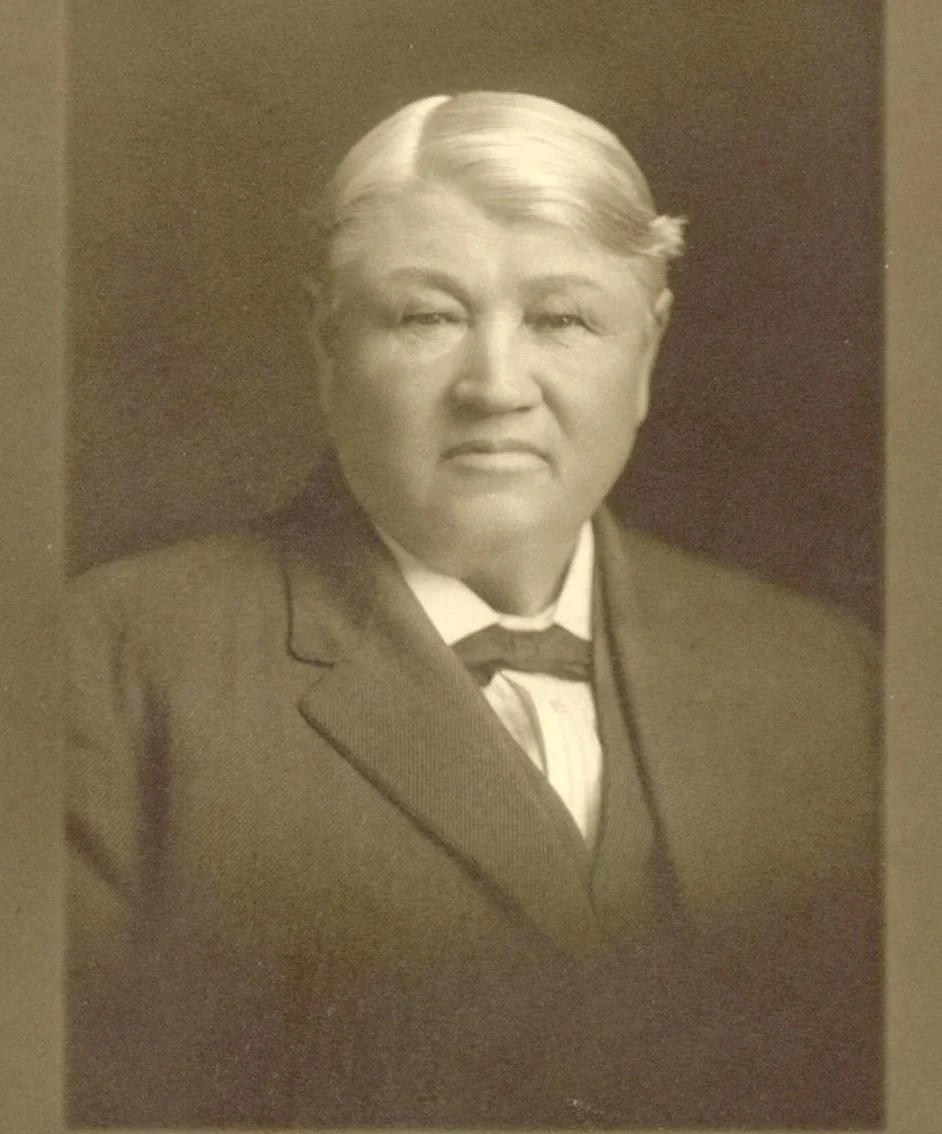
Mayor G.B. Alford
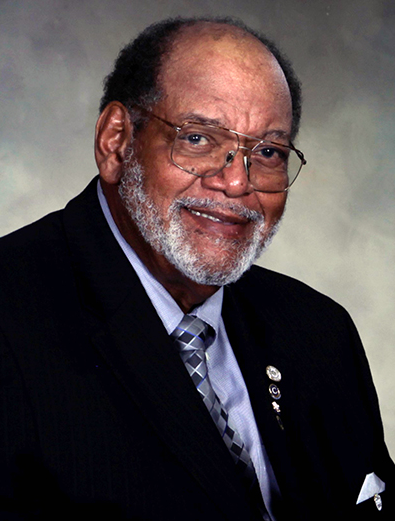
Mayor Parrish ‘Ham’ Womble
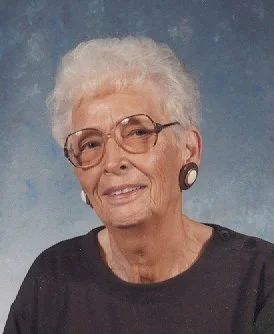
Mayor Sylvian Knowles Brooks
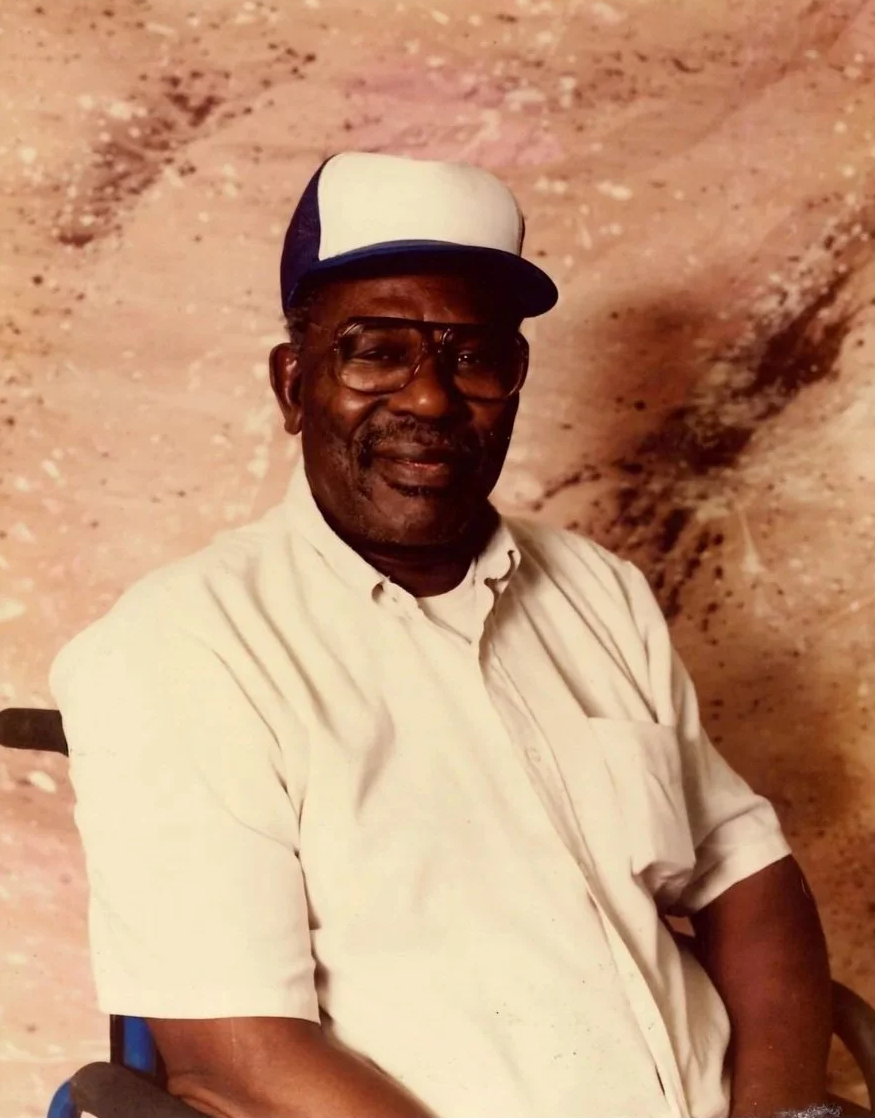
Mayor James Norris
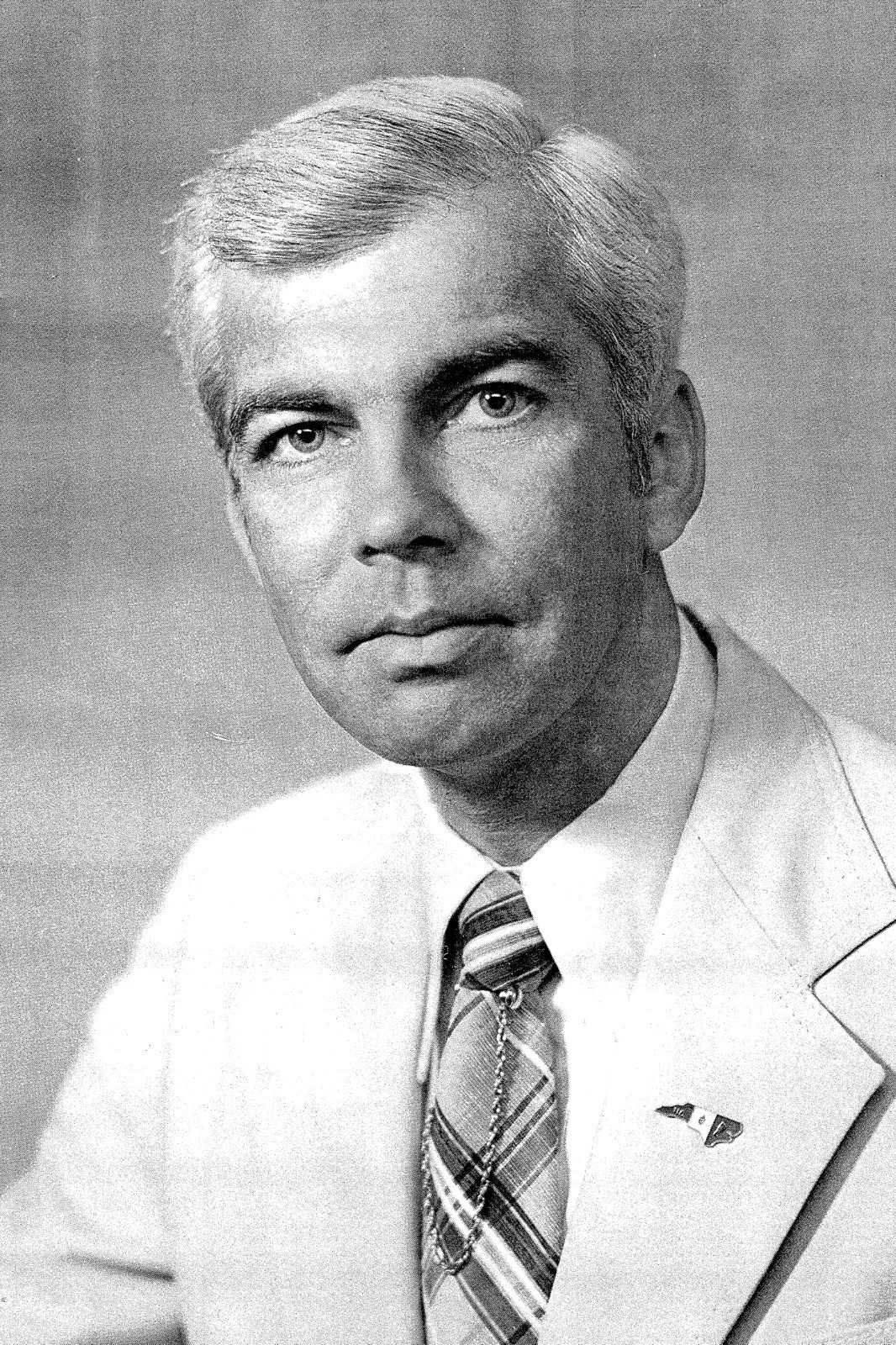
Mayor Jimmy Hancock
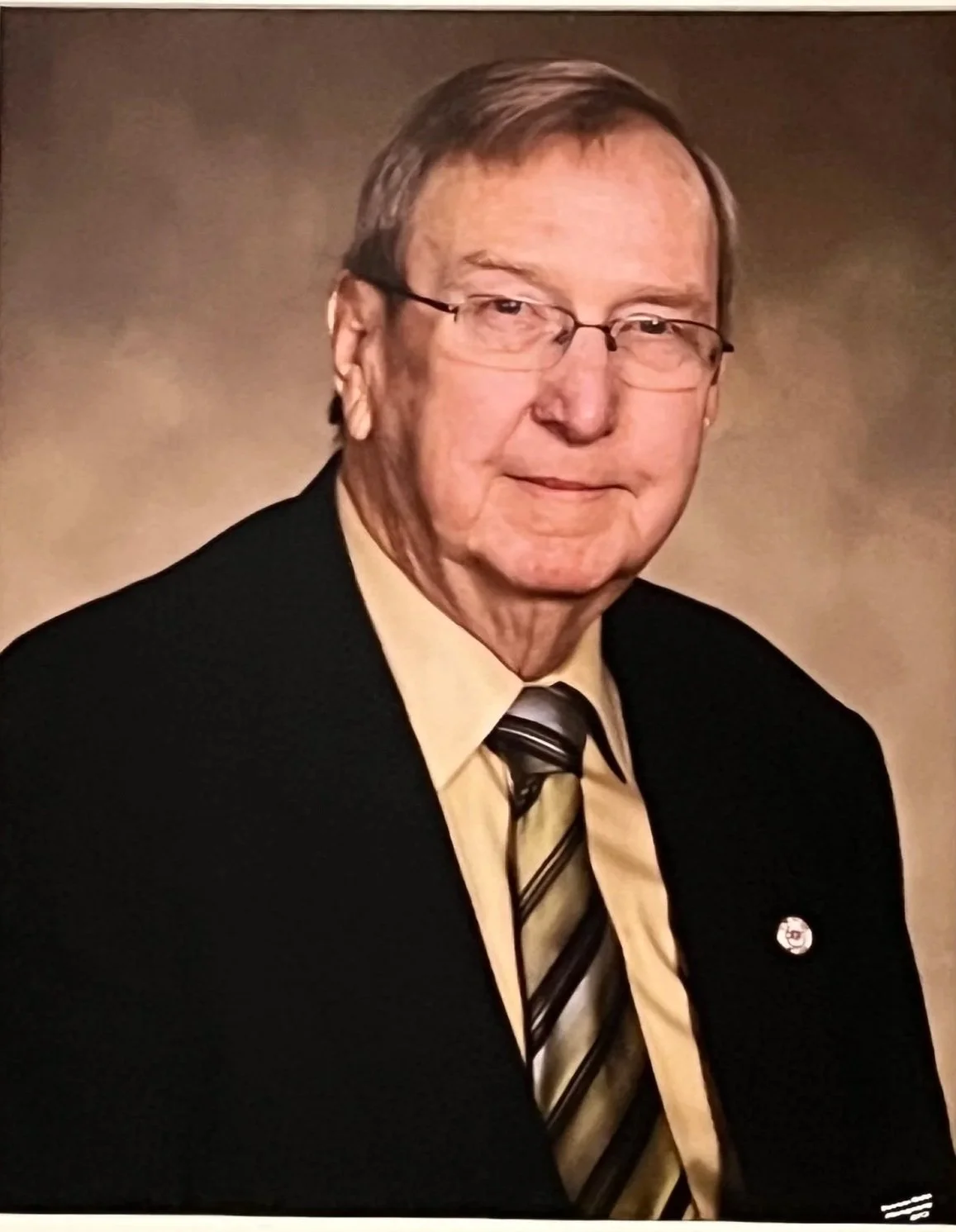
Mayor Gerald Holleman
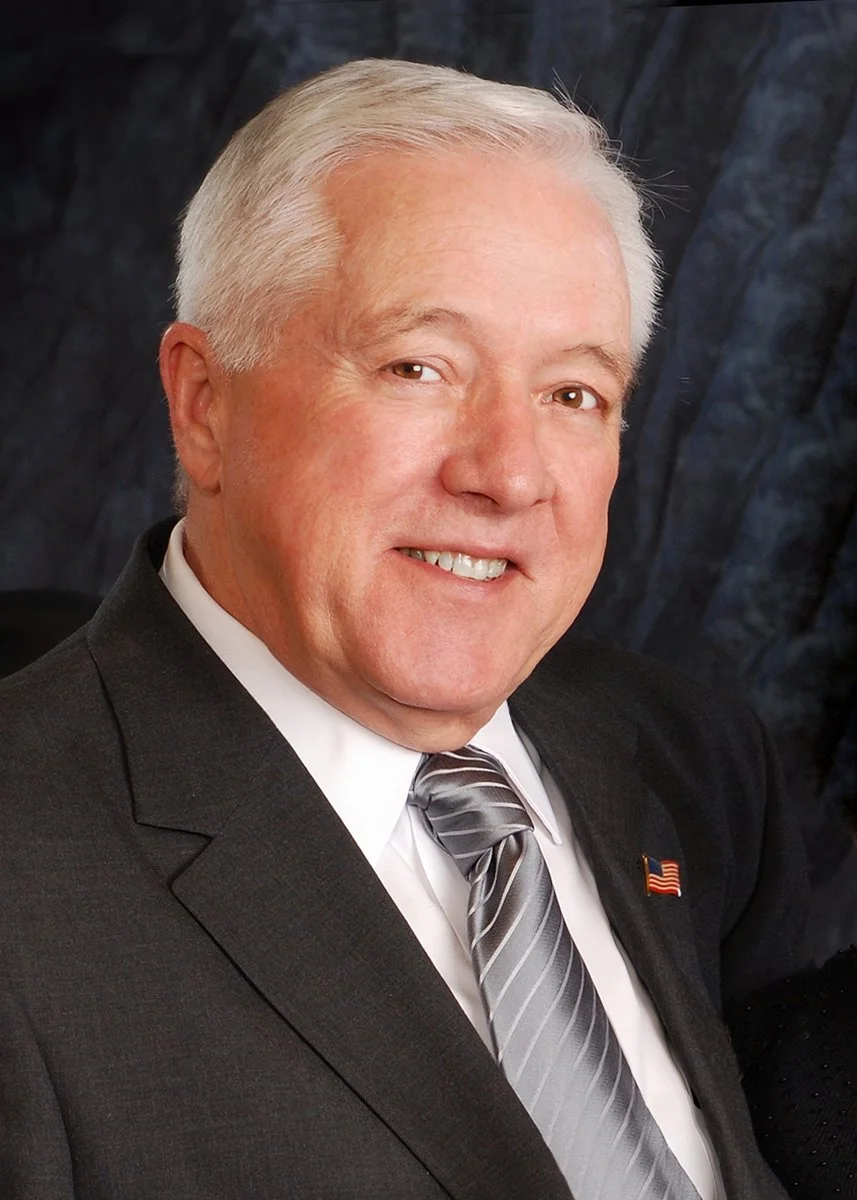
Mayor Richard ‘Dick’ Sears
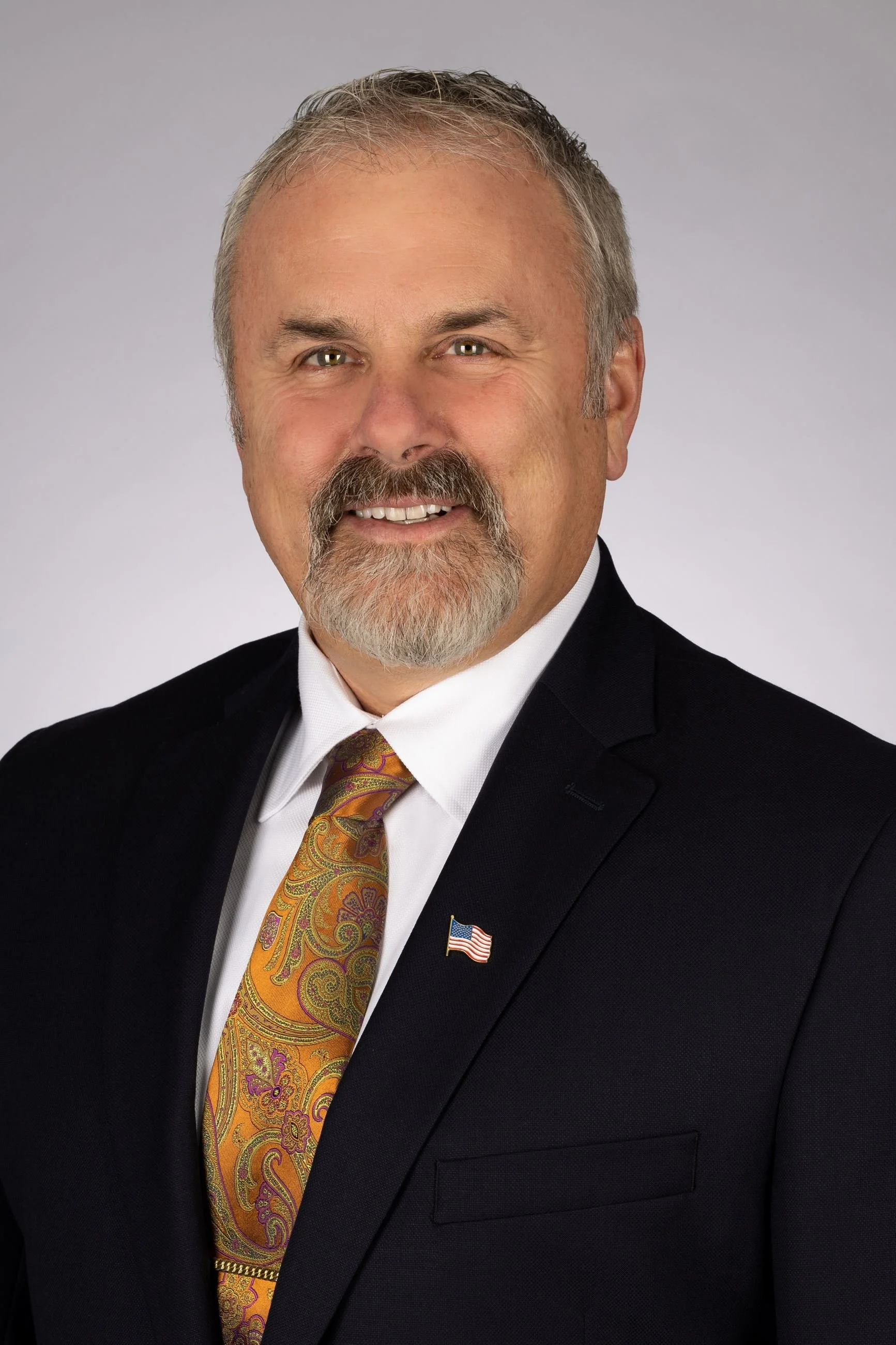
Mayor Sean Mayefskie
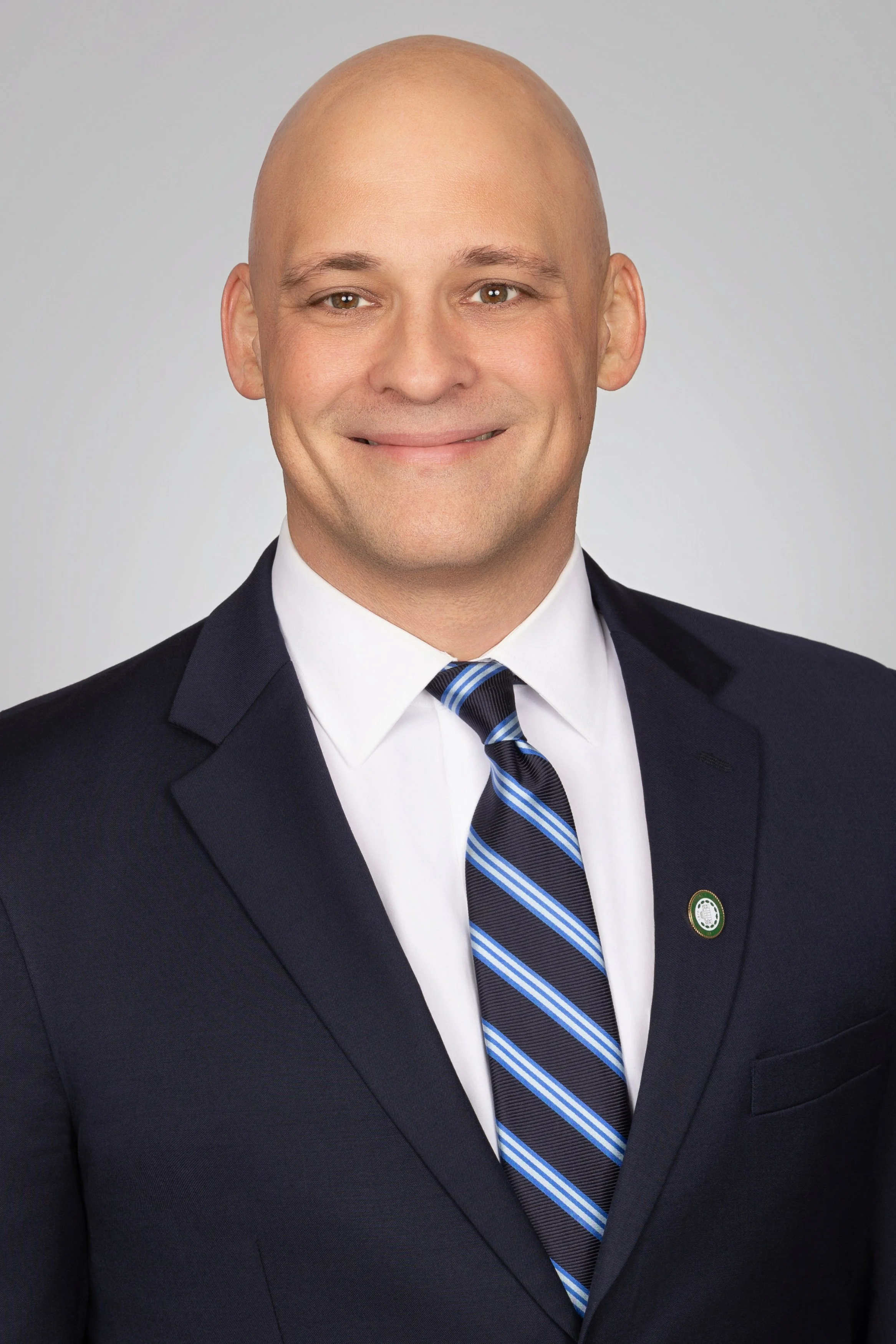
Mayor Mike Kondratick