The House that Arrived by Train: A Raleigh Street Landmark
Contributed by Tina Rimmer
Take a stroll down Raleigh Street, and you’ll find yourself surrounded by some of the most beautiful and distinctive homes in Holly Springs. But one residence in particular, formerly known as the Martin-Collins home, holds a unique story: it arrived in Holly Springs in pieces on a railroad car. The pieces were transported from the train depot, a couple of blocks away at the intersection of Avent Ferry Road and Ballentine Street, to the homesite, where the Sears & Roebuck Craftsman Bungalow kit home was assembled in 1917.
During the early 20th century, Sears revolutionized the American dream by allowing families to choose their future home from a specialty catalog. Once the order was placed, every single nut, bolt, and board was shipped directly to the homeowner by rail.
Building a Sears home was the ultimate DIY project of the 1900s. The home kits included an exhaustive inventory of everything needed:
Pre-cut lumber: Each piece is labeled and numbered to match an instruction booklet, much like a modern-day Lego set.
The Finishing Touches: From the windows and doorknobs to the hinges, nails, and even the kitchen cabinets.
The Infrastructure: The kit even included plumbing, wiring, and the bathtub.
While the homeowner would source masonry materials like bricks and stones locally, Sears provided the rest, ensuring the homes met its standards of quality and style.
A Picture-Perfect Legacy
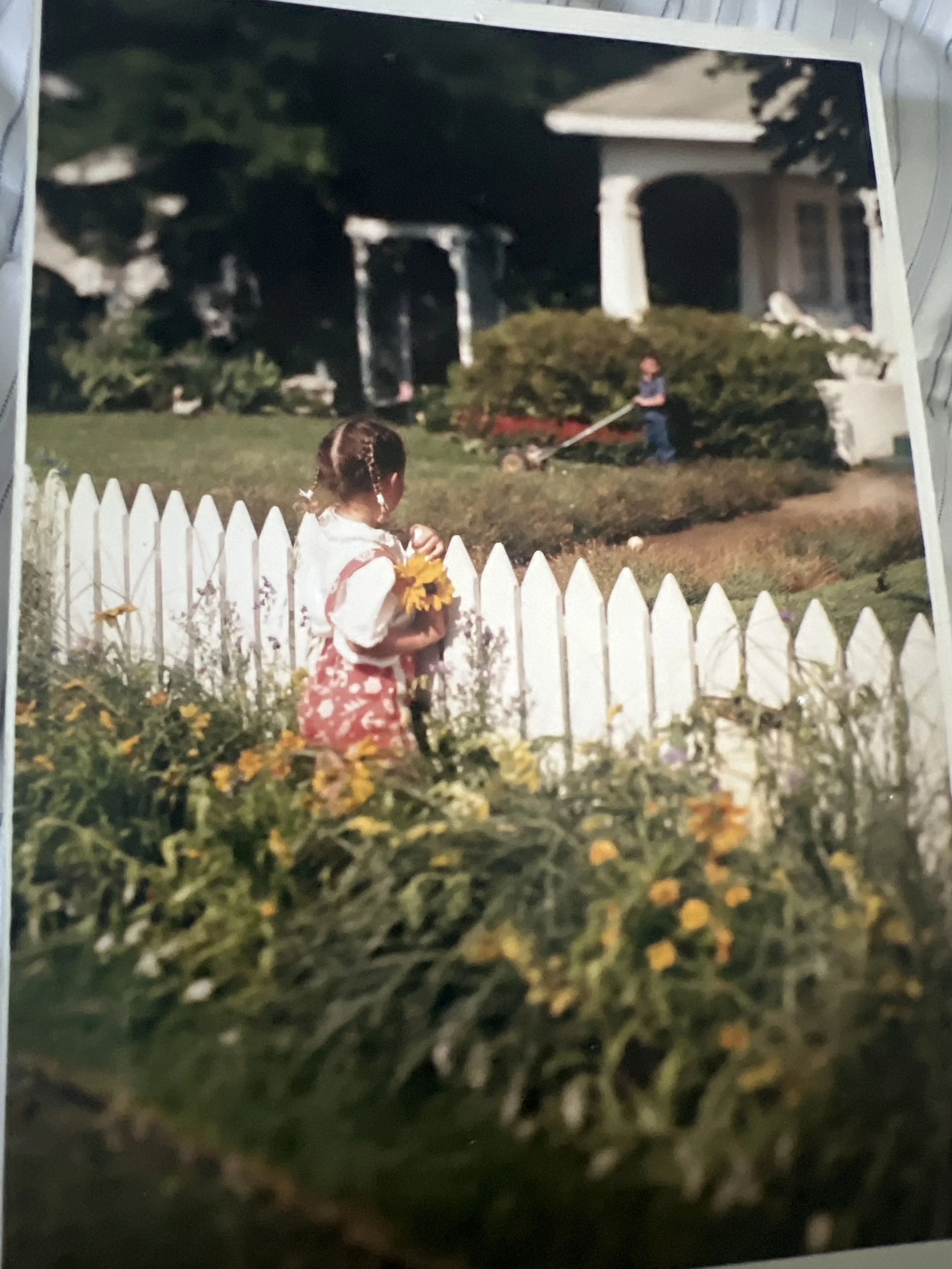
It isn’t just the home’s origin story that makes it special; it’s the home’s undeniable history and charm. The home is so aesthetically pleasing that it has been featured in numerous publications over the decades, said homeowner Tina Rimmer.
Perhaps its most famous claim to fame is its appearance on a national stage. The Avanti Press greeting card company was so captivated by the house that they featured it on the cover of one of their cards.
Today, the Rimmer home stands as a beautifully preserved testament to Holly Springs' growth during the railroad era, a time when a family could order a dream out of a catalog and watch it arrive at the local station.